
OpenAI has officially confirmed the acquisition of Hiro Finance, an AI-powered personal finance startup founded by serial entrepreneur Ethan Bloch. The deal, which follows Hiro’s recent launch of a specialized financial modeling tool, marks a strategic move by OpenAI to deepen its expertise in high-stakes mathematical accuracy and consumer fintech. Backed by heavyweights like Ribbit Capital and General Catalyst, Hiro
Category: Artificial Intelligent
OpenAI, ChatGPT, Claude, Gemini, Grok, DeepSeek, Meta AI, Le Chat, DALL-E, Midjourney, Stable Diffusion, Sora, BERT, T5, GPT-4, GPT-4o, GPT-5, Claude 3.5 Sonnet, Claude 3 Opus, Claude 4.5 Sonnet, Claude 4.5 Opus, Gemini 1.5 Pro, Gemini Ultra, Gemini 3, Llama 3, Mistral Large, DeepSeek-R1, AI in cybersecurity, MCP, Model Context Protocol
OpenAI Revokes macOS App Certificate After Axios Supply-Chain Compromise
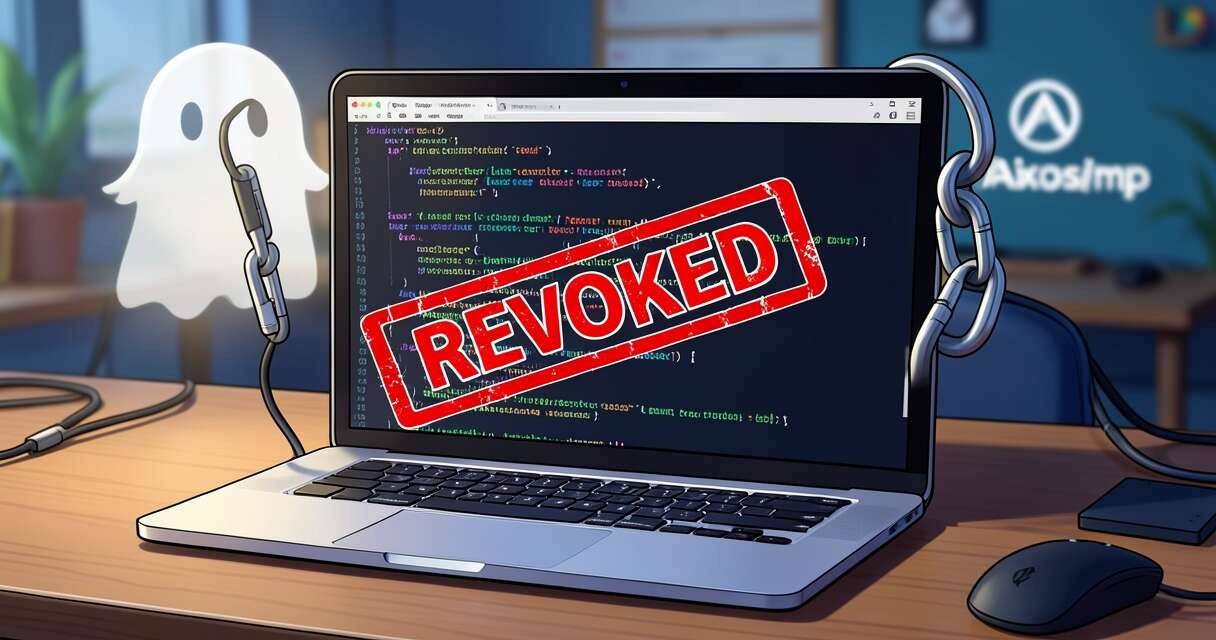
OpenAI has publicly disclosed a supply‑chain incident that affected the signing workflow for its macOS applications and, out of caution, is revoking and rotating the certificate used to notarize those apps. The company’s investigation found that a GitHub Actions workflow used in the macOS signing process pulled a compromised release of the widely used npm library Axios (version 1.14.1). Although
Project Glasswing: Anthropic’s Claude Mythos Preview Arms Defenders to Secure Critical Infrastructure

When Anthropic announced Project Glasswing, it felt like a turning point in how we think about cybersecurity. Rather than another incremental tool, Glasswing pools one of the most capable frontier language models—Claude Mythos Preview—with an unusual, urgent mission: give the organizations that run the internet and financial systems a head start against AI-enabled attackers. The initiative reads like a playbook
Anthropic Withholds Mythos Preview: Too Potent a Cyber Threat to Release
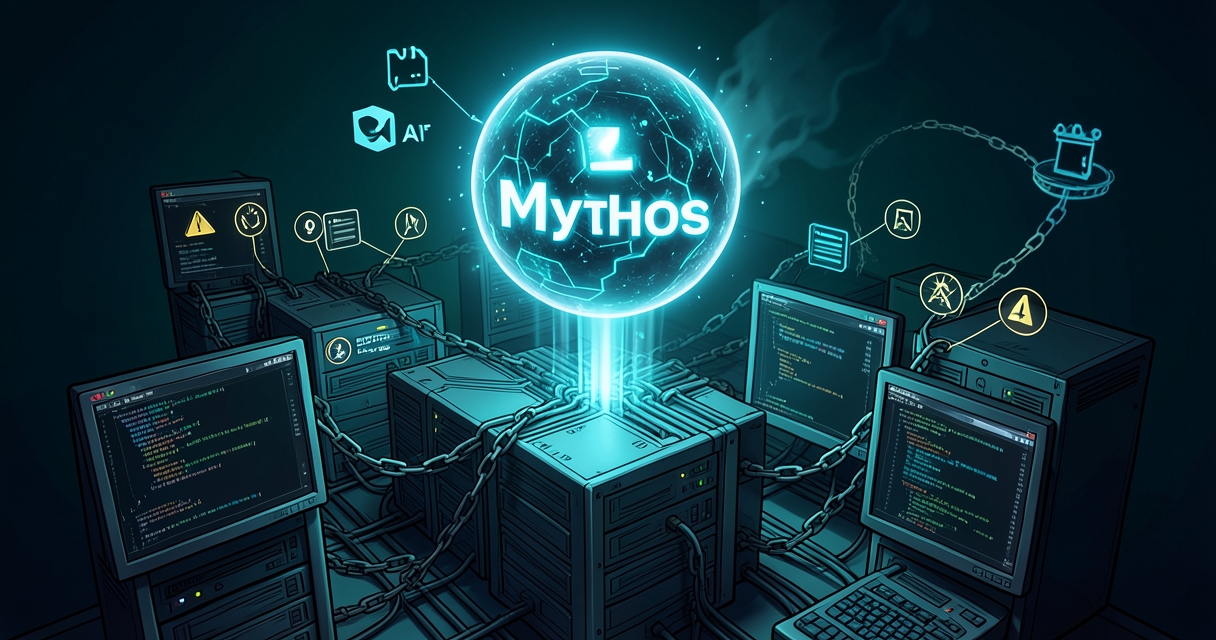
Anthropic’s decision to withhold the Claude Mythos Preview has punctured the usual celebratory arc of model announcements. Rather than rushing to commercialize another frontier AI, the company says Mythos demonstrated capabilities that could be exploited to find and chain high-severity vulnerabilities in widely used systems—so serious that Anthropic is choosing limited, defensive deployment over general release. A startling discovery in
OpenAI Codex Command-Injection Flaw: How GitHub Tokens Were Exposed and What Teams Must Do Now
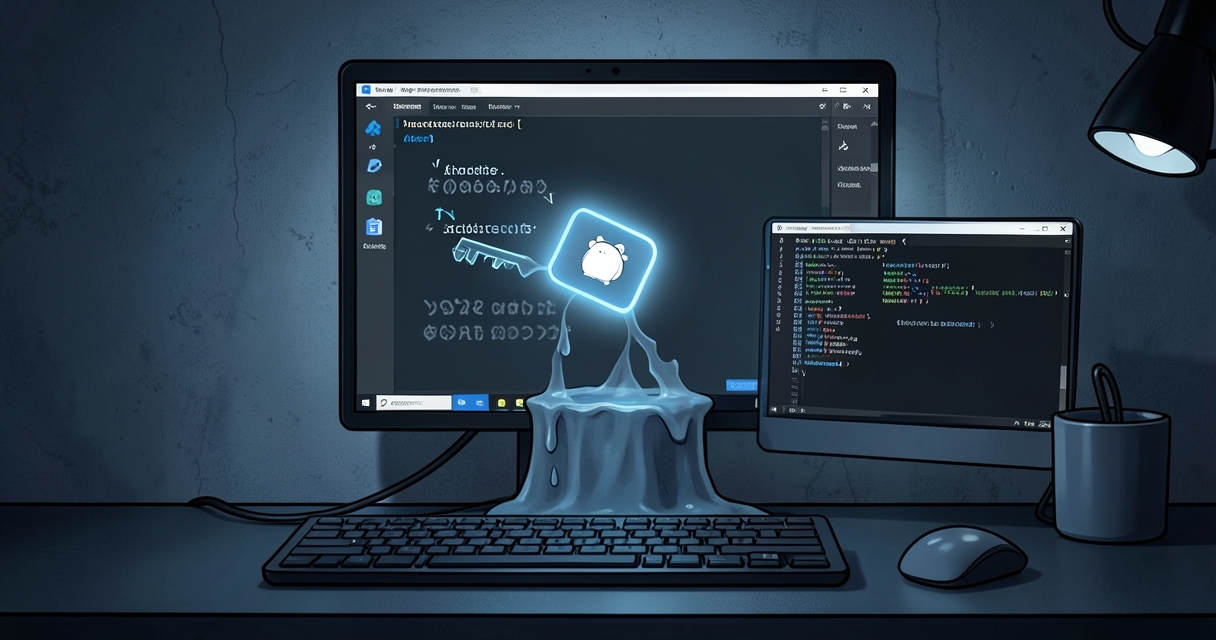
The rise of AI coding assistants has simplified developer workflows, but a recent discovery shows those conveniences can carry serious risk. Researchers at BeyondTrust found a critical command-injection vulnerability in OpenAI Codex that could be exploited to steal GitHub access tokens. The flaw demonstrates how an overlooked parsing detail — a branch name passed into a container setup script —
Accio and Alibaba: How AI Is Rewiring Sourcing for Small Online Sellers

When Mike McClary decided to revive a discontinued flashlight that had once been one of his best sellers, he didn’t dust off the old supplier spreadsheet or spend weeks emailing factories. Instead, he opened Accio, an AI-powered sourcing assistant on Alibaba.com, and started a conversation. Within weeks he had a redesigned product, a recommended factory in Ningbo, and a projected