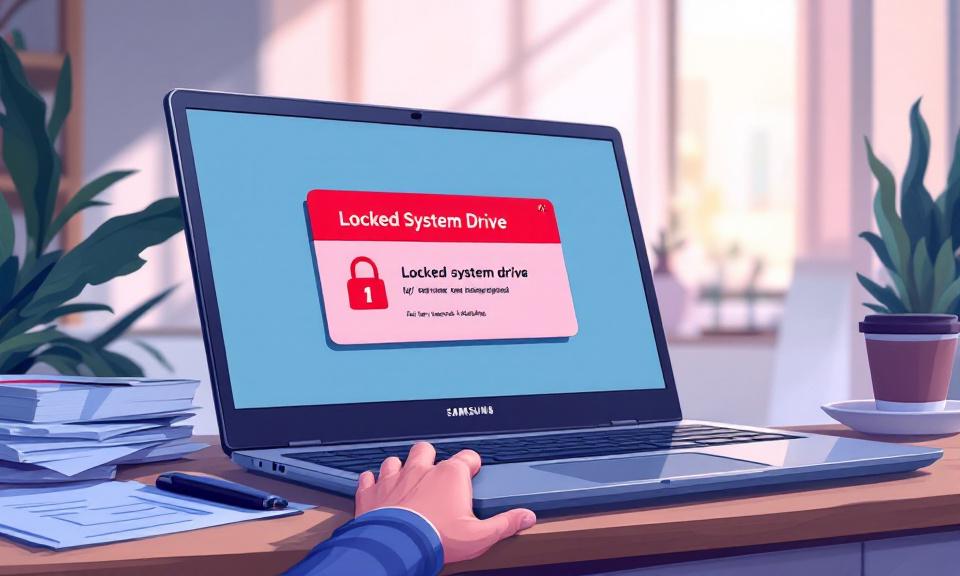
Microsoft has updated its Windows 11 documentation to describe a recently discovered issue tied to the February 2026 Patch Tuesday update (KB5077181). On certain machines—predominantly Samsung consumer laptops—installing that update can result in an error that prevents access to the system drive, showing “C: is not accessible – Access denied.” The problem can go beyond a simple File Explorer error
Category: Security
Zero-Day, APT, Exfiltration, Lateral-Movement, Privilege-Escalation, Botnet, Rootkit, Backdoor, Keylogger, Smishing, Vishing, Spear-Phishing, Social-Engineering, MITM, SQL-Injection, Cross-Site-Scripting, XSS, CSRF, Path-Traversal, Buffer-Overflow, Honeypot, CVE, CVSS, Red-Team, Blue-Team, Threat-Hunting, Malware-Analysis, MITRE-ATT&CK, Insider-Threat, Privilege-Flaw, Jailbreak, Shellcode, Exploit-Kit, LFI, RFI, Obfuscation, Payload.
WhatsApp Introduces Parent‑Managed Accounts for Pre‑Teens — What You Need to Know
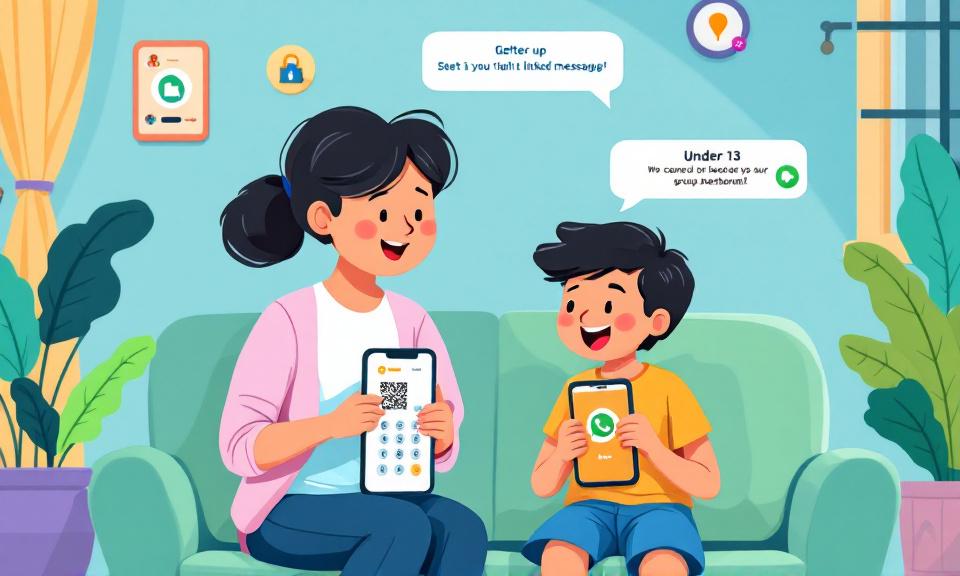
WhatsApp has begun rolling out parent‑managed accounts for pre‑teens, a new account type that gives parents and guardians control over who can contact their child and which groups the child can join. The feature is limited to messaging and calling and intentionally excludes access to Meta AI, Channels, Status, and location sharing. What the accounts do Parents control contact and
Microsoft Active Directory Domain Services Vulnerability (CVE-2026-25177) — What Administrators Need to Know

In early March 2026, Microsoft released an important security update addressing a high-severity vulnerability in Active Directory Domain Services (AD DS) tracked as CVE-2026-25177. The flaw received a CVSS score of 8.8 and can allow an authenticated network actor with limited permissions to escalate privileges to full SYSTEM on a targeted domain controller. Microsoft and third-party researchers coordinated fixes and
Google Completes $32 Billion Acquisition of Wiz

Google has finalized its acquisition of Wiz, the Israeli cloud and AI security company, in an all-cash transaction valued at $32 billion. The deal, announced as closed in March 2026, is the largest acquisition in Google’s history and represents a major move by Google Cloud to deepen its capabilities in cloud-native and AI security. Deal overview The acquisition brings the
China’s OpenClaw Gold Rush: How a Viral AI Agent Spawned a New Service Economy

China has seen a rapid, real-world surge of interest in OpenClaw — an open-source AI agent that can run autonomously on personal devices — and that surge has produced a small but booming service economy of installers, preconfigured devices, and paid support. This post summarizes reported facts about how OpenClaw spread, who is profiting, what services are being offered, and
Zombie ZIP: How Malformed Archives Can Hide Malware from Security Scanners

A new archive-manipulation technique called “Zombie ZIP” lets attackers conceal payloads inside ZIP files in a way that can evade many antivirus and endpoint detection solutions. The method was described by security researcher Chris Aziz of Bombadil Systems and has drawn warnings from CERT/CC and the wider security community. This post explains how Zombie ZIP works, what research and evidence