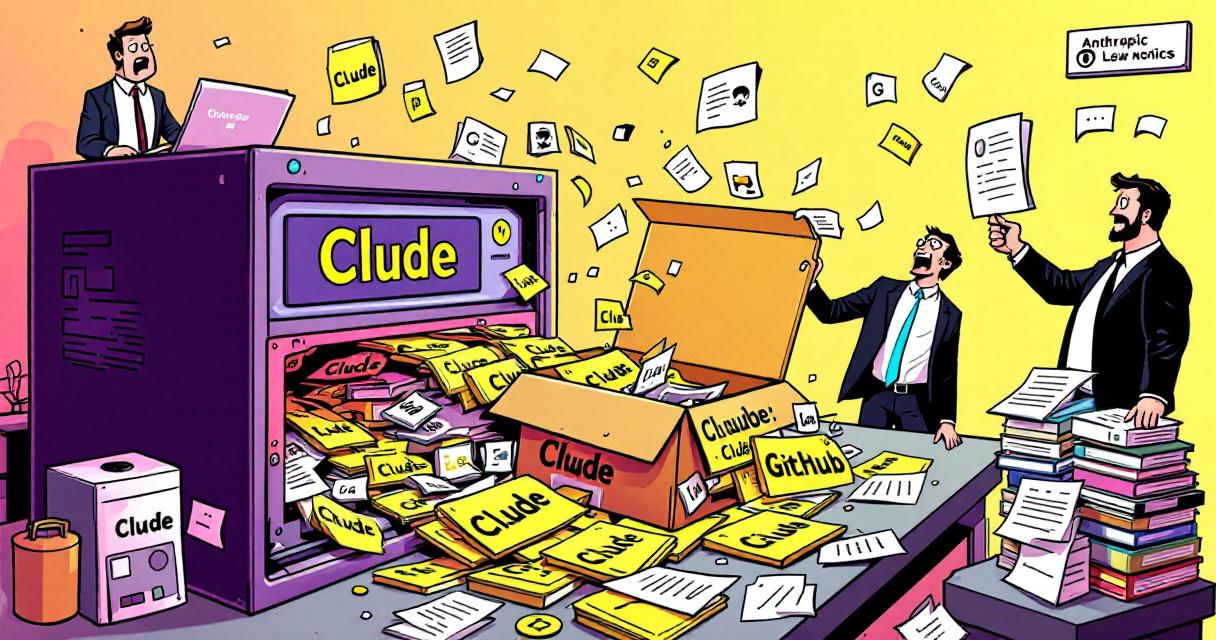
Anthropic has scrambled to contain the fallout after an accidental exposure of the complete source code for its Claude family of AI tools. The company issued roughly 8,000 copyright takedown requests to remove copies and adaptations circulating on code-hosting sites and mirrors, responding to a wave of reposts and forks that appeared within hours of the initial disclosure. Although Anthropic
Tag: Anthropic
Inside the Claude Code Leak: What Anthropic’s Accidental Release Reveals
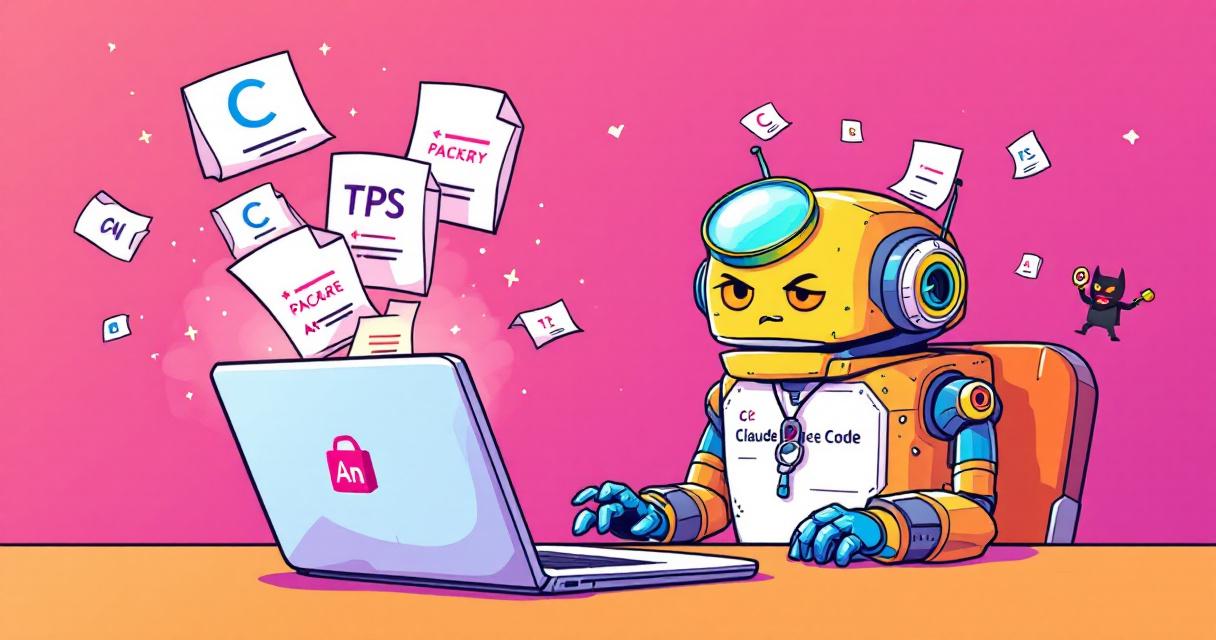
Anthropic, the AI company behind the Claude family of agents, suffered an unexpected exposure that rippled across the developer community and the wider AI market. Earlier today, a sizable JavaScript source map file—bundled with a public npm release—made internal implementation details of Claude Code visible to anyone who downloaded it. What began as a packaging mistake quickly became a public
Anthropic’s Mythos Rocks Cybersecurity Stocks: What Investors and Defenders Need to Know

News moved fast one Friday: a new, exceptionally powerful AI model from Anthropic—codenamed Mythos—leaked into the market conversation, and the ripple effects were immediate. Stocks tied to cybersecurity fell sharply, reflecting a fresh wave of anxiety: if an AI can find complex code flaws faster than teams of humans, what becomes of the companies that sell digital defenses? This post
Anthropic’s Claude Mythos Leak: When Pre-Release Secrets Meet Cybersecurity Risk

Anthropic recently found itself at the center of an avoidable but consequential security incident: leaked internal drafts revealing the existence of an unreleased, high-capability model called “Claude Mythos.” The exposure—rooted in an unsecured, publicly searchable data cache—pulled back the curtain on product plans, internal risk assessments, and even references to an exclusive executive event. For organizations building powerful AI, the
Claude Code Channels: The OpenClaw Killer — Anthropic Brings Always‑On Coding to Your Chats

When a developer wants a quick fix while away from their desk, the options have traditionally been limited: SSH into a server, fire up a remote IDE, or wait until you’re back at your workstation. Anthropic’s new Claude Code Channels changes that pattern by letting Claude Code behave like a persistent, message-driven collaborator you can reach from apps you already
OpenAI’s New North Star: Report Says Business and Productivity Take Center Stage

Last week, details from an internal all‑hands meeting at OpenAI were reported by the Wall Street Journal and subsequently picked up by other outlets. According to the reporting, company leaders signaled a strategic shift toward prioritizing business and productivity use cases, with executives urging teams to focus on core, revenue‑driving efforts rather than exploratory side projects. What was reported at