Category

Cybersecurity

Zero-Day, APT, Exfiltration, Lateral-Movement, Privilege-Escalation, Botnet, Rootkit, Backdoor, Keylogger, Smishing, Vishing, Spear-Phishing, Social-Engineering, MITM, SQL-Injection, XSS, CSRF, Path-Traversal, Buffer-Overflow, Honeypot, CVE, CVSS, Red-Team, Blue-Team, Threat-Hunting, Malware-Analysis, MITRE-ATT&CK, Insider-Threat, Jailbreak, Shellcode, Exploit-Kit, LFI, RFI, Obfuscation, Payload, security advisory, vulnerability disclosure, CWE, OWASP, cybersecurity news, threat intelligence, SOC, SIEM, crypto theft, evasion, CVE Security, breach notification, BlackLotus, bootkit, Protection

Page 17
Microsoft strips EXIF metadata from Teams images to protect employee privacy

Microsoft strips EXIF metadata from Teams images to protect employee privacy

On March 2026’s feature rollout, Microsoft updated Teams to automatically remove EXIF metadata from images shared in chats and channels. The change aims to prevent accidental leaks of GPS coordinates, device details, and time stamps—data that can be exploited for targeted attacks or unwanted location disclosure. The move is part of a broader push to bake privacy and security into default collaboration tools. The hidden risk in photos EXIF (Exchangeable…
Saugata Datta3 min read611
Anthropic’s Claude Leak: 8,000 Takedown Requests After an Accidental Source-Code Exposure

Anthropic’s Claude Leak: 8,000 Takedown Requests After an Accidental Source-Code Exposure

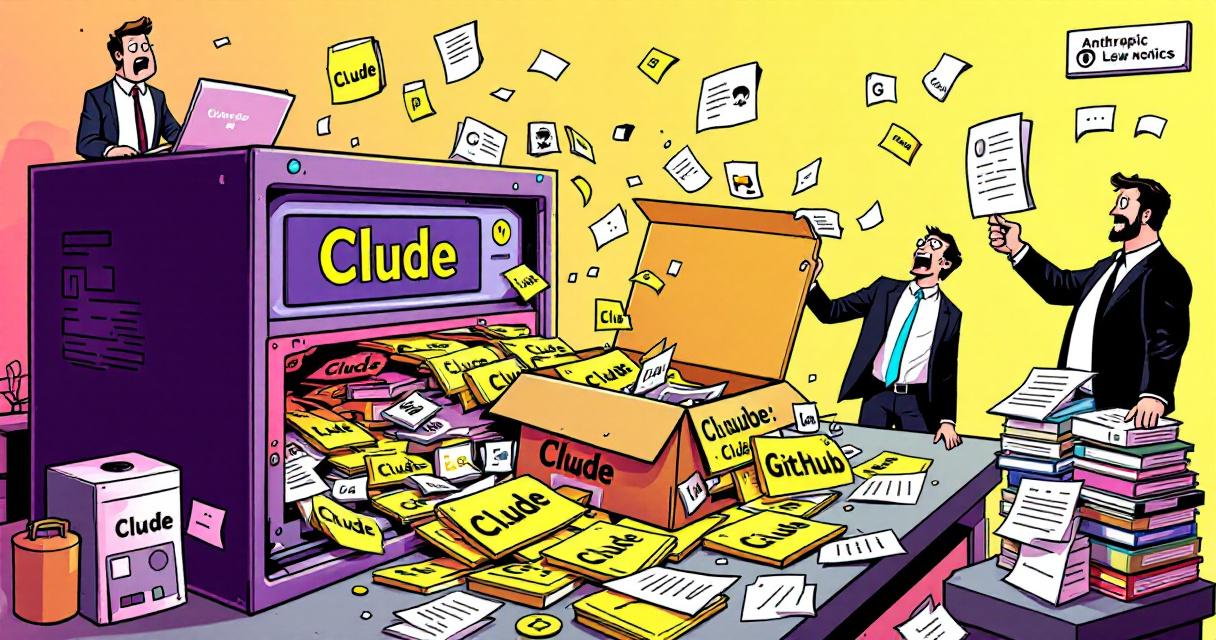
Anthropic has scrambled to contain the fallout after an accidental exposure of the complete source code for its Claude family of AI tools. The company issued roughly 8,000 copyright takedown requests to remove copies and adaptations circulating on code-hosting sites and mirrors, responding to a wave of reposts and forks that appeared within hours of the initial disclosure. Although Anthropic says no customer data or model weights were exposed, the…

Saugata Datta4 min read800
PNG parsing flaws in libpng let attackers crash processes, leak data, and risk code execution

PNG parsing flaws in libpng let attackers crash processes, leak data, and risk code execution

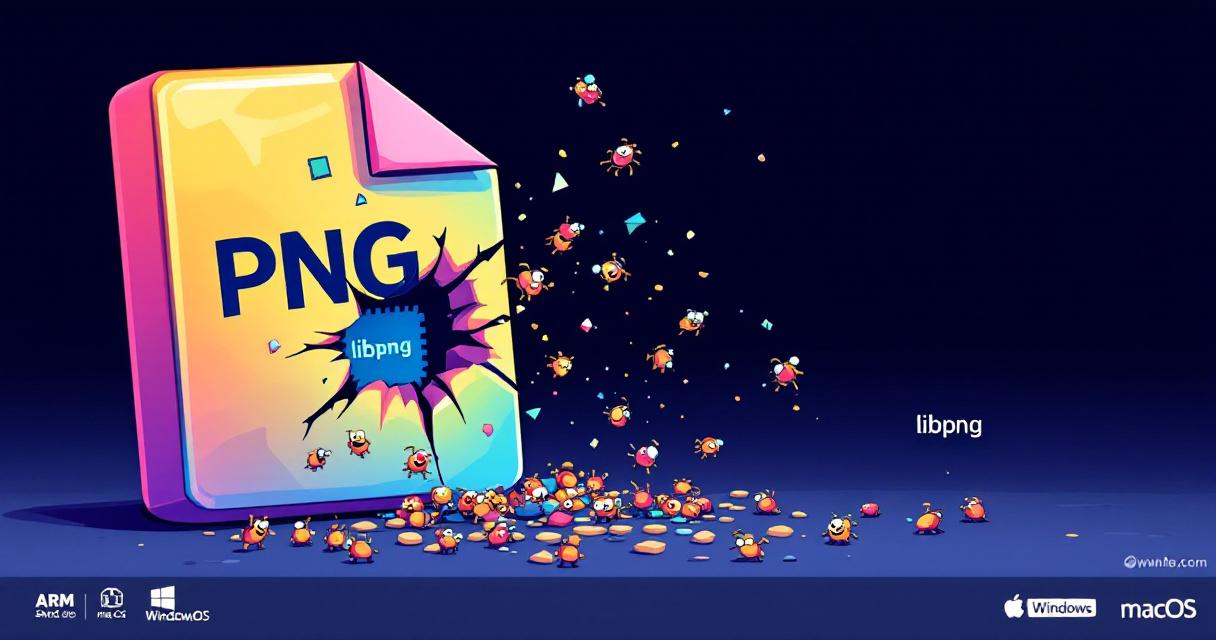
Two high-severity vulnerabilities discovered in libpng—the widely used reference library for reading and writing PNG images—create a sweeping risk for any software that parses images. The flaws can trigger process crashes, leak sensitive heap contents, and, on some platforms, enable arbitrary code execution. Because image handling is baked into web applications, server-side processing pipelines, mobile and embedded systems, and desktop apps, the impact surface is broad and urgent. What was…

Saugata Datta5 min read616
Hackers Weaponize Legitimate Windows Tools to Kill Antivirus — What Defenders Must Do Now

Hackers Weaponize Legitimate Windows Tools to Kill Antivirus — What Defenders Must Do Now

Ransomware gangs have evolved from noisy mass campaigns into precise, surgical operators. A growing and dangerous trend is the abuse of legitimate Windows utilities — tools built to help administrators troubleshoot and repair systems — as the first step in modern ransomware operations. By repurposing utilities such as Process Hacker, IOBit Unlocker, PowerRun, AuKill and TDSSKiller, attackers can silently neutralize antivirus (AV) and EDR protections, creating a short but effective…

Saugata Datta5 min read725
Google Lets You Change Your @gmail.com Address — Here’s How to Do It Safely

Google Lets You Change Your @gmail.com Address — Here’s How to Do It Safely

For more than twenty years, the email address you chose when creating a Google Account was effectively permanent. That meant awkward childhood handles, name changes after marriage, or simply wanting a cleaner, more professional address often required creating a brand-new Google Account and manually migrating data. Google has quietly changed that rule: users with @gmail.com addresses can now replace their existing username with a new @gmail.com handle while keeping the…

Saugata Datta4 min read733
Inside the Claude Code Leak: What Anthropic’s Accidental Release Reveals

Inside the Claude Code Leak: What Anthropic’s Accidental Release Reveals

Anthropic, the AI company behind the Claude family of agents, suffered an unexpected exposure that rippled across the developer community and the wider AI market. Earlier today, a sizable JavaScript source map file—bundled with a public npm release—made internal implementation details of Claude Code visible to anyone who downloaded it. What began as a packaging mistake quickly became a public forensic exercise: researchers mirrored a half-million-line TypeScript codebase, poring over…

Saugata Datta5 min read623
Notepad++ v8.9.3 Released — cURL Fixes, Crash Repairs, and Enterprise Controls

Notepad++ v8.9.3 Released — cURL Fixes, Crash Repairs, and Enterprise Controls

Notepad++ has shipped version 8.9.3, a maintenance-focused release that closes a notable security gap in its updater, resolves several long-standing stability regressions, and finishes a multi-release migration to a faster XML parser. For administrators and power users who depend on the editor for daily development work, this update is worth prompt attention: it contains both a security remediation and a set of usability and reliability improvements that reduce operational risk.What…

Saugata Datta4 min read626
Claude AI Uncovers Zero-Day RCEs in Vim and Emacs — A Turning Point for Bug Hunting

Claude AI Uncovers Zero-Day RCEs in Vim and Emacs — A Turning Point for Bug Hunting

A recent research effort demonstrated that advanced AI models can accelerate and amplify vulnerability discovery in legacy software. Anthropic’s Claude was used to hunt for remote code execution (RCE) flaws and successfully produced proof-of-concept exploits against both Vim and GNU Emacs. The findings illustrate how natural-language prompts can surface high-impact bugs with surprising ease, and they raise urgent questions about defensive readiness, disclosure practices, and the changing dynamics of vulnerability…

Saugata Datta4 min read617
What’s New in Microsoft Defender: AI Triage, Predictive Hardening, and Call Monitoring — What IT Teams Should Know

What’s New in Microsoft Defender: AI Triage, Predictive Hardening, and Call Monitoring — What IT Teams Should Know

Microsoft used RSA 2026 to roll out a wave of Defender enhancements that are already changing how security teams detect, investigate, and respond to risk. The announcements bundle intuitive UX changes—like a consolidated identity dashboard—with more consequential shifts: AI-driven triage and automated hardening that can act proactively on predicted attacker movement. These features promise speed and scale, but they also introduce operational and governance questions that every security leader should…

Saugata Datta5 min read631
Anthropic’s Mythos Rocks Cybersecurity Stocks: What Investors and Defenders Need to Know

Anthropic’s Mythos Rocks Cybersecurity Stocks: What Investors and Defenders Need to Know

News moved fast one Friday: a new, exceptionally powerful AI model from Anthropic—codenamed Mythos—leaked into the market conversation, and the ripple effects were immediate. Stocks tied to cybersecurity fell sharply, reflecting a fresh wave of anxiety: if an AI can find complex code flaws faster than teams of humans, what becomes of the companies that sell digital defenses? This post walks through what happened, why Mythos matters, and what investors…

Saugata Datta4 min read821
Anthropic’s Claude Mythos Leak: When Pre-Release Secrets Meet Cybersecurity Risk

Anthropic’s Claude Mythos Leak: When Pre-Release Secrets Meet Cybersecurity Risk

Anthropic recently found itself at the center of an avoidable but consequential security incident: leaked internal drafts revealing the existence of an unreleased, high-capability model called "Claude Mythos." The exposure—rooted in an unsecured, publicly searchable data cache—pulled back the curtain on product plans, internal risk assessments, and even references to an exclusive executive event. For organizations building powerful AI, the episode is a sharp reminder that operational security and model…

Saugata Datta4 min read833
Citrix Warns: Patch NetScaler ADC and Gateway Flaws Immediately

Citrix Warns: Patch NetScaler ADC and Gateway Flaws Immediately

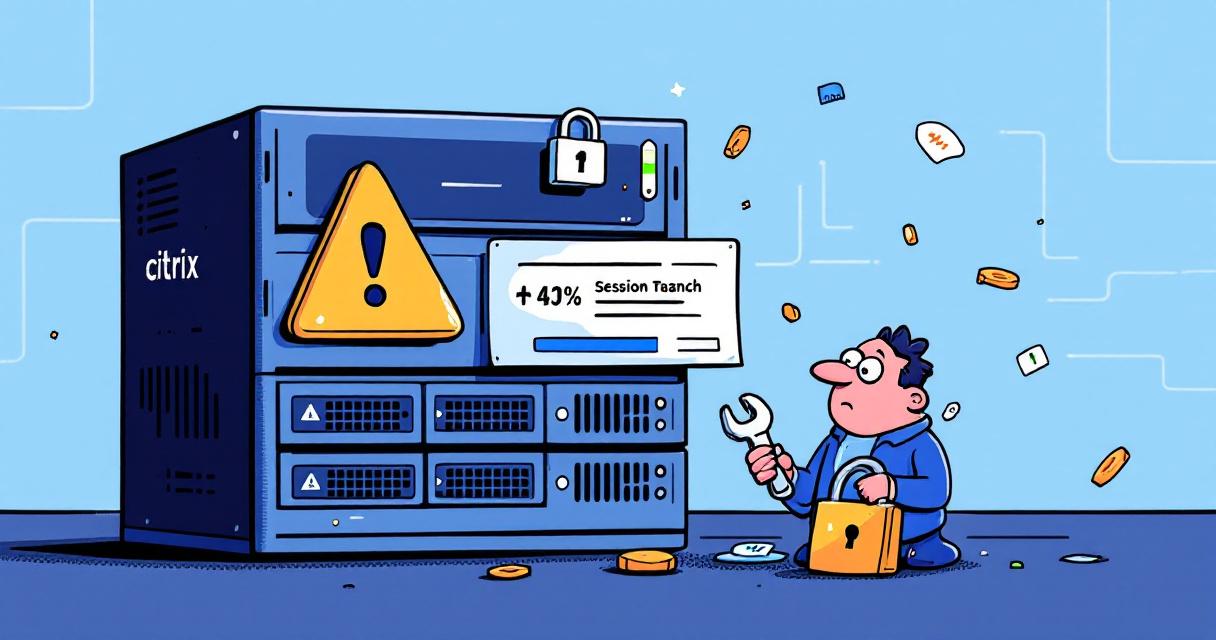
Citrix has released urgent security updates for NetScaler ADC and NetScaler Gateway after discovering two vulnerabilities that could expose sensitive session data and cause session mix-ups. The company is urging administrators to apply the fixes as soon as possible, citing the potential for exploitation that echoes earlier high-profile memory-leak bugs that were actively abused in the wild. What happened Earlier this month Citrix published advisories addressing CVE-2026-3055 and CVE-2026-4368. The…

Saugata Datta4 min read826
🧰

Free Tools: IP, DNS, SSL

40+ free network and other tools in one place. No signup. Click explore or visit https://technochat.in/tools

Explore