
India AI Impact Summit 2026 in New Delhi brings together governments, industry, researchers, civil society, and international partners under the banner “Global AI Leadership” to explore how artificial intelligence can be deployed at scale for social and economic impact. With large-scale registrations reported and delegates expected from over 100 countries, the summit is framed as a moment to align policy, infrastructure, talent, and practical deployments for inclusive and trustworthy AI across the Global South and beyond.
Venue: Bharat Mandapam, New Delhi, from 16th February to 20th February 2026
Registration: https://impact.indiaai.gov.in/home/main-summit-events
Dates, venue, structure, and key timelines
The logistical backbone of any large summit determines how effectively participants convert presence into progress. For India AI Impact Summit 2026, organizers have emphasized an in-person format for the official program, with only selected sessions potentially streamed to remote audiences. The exact dates and the specific venue halls should be confirmed on the official summit site or registration portal; however, the programme is structured to prioritize plenary-level vision-setting together with parallel, sector-focused tracks and curated side events. Practically, expect the summit to open with a high-profile plenary that frames the strategic narrative—government positions, international partnerships, and major industry commitments—followed by multiple concurrent tracks that deep-dive into domains such as health, agriculture, education, finance, infrastructure, and digital public goods.
The summit’s architecture will likely mix formats: keynote addresses and leadership panels in the main hall; technical and policy deep dives in parallel auditoria; and interactive roundtables, workshops, and closed policy labs that limit participation to pre-registered stakeholders for focused deliberation. An exhibition area will showcase operational systems and pilots, enabling demonstrations of working prototypes rather than conceptual slide decks. Security and access protocols for government-affiliated events typically demand advance registration verification; attendees should check registration deadlines and badge collection procedures early. If you represent a delegation, plan for pre-arranged bilateral and multilateral meetings in parallel with the main programme, since many of the most consequential outcomes arise from corridor conversations and private roundtables.
Core themes, eligible organizations, and accepted event formats
The India AI Impact Summit defines its agenda through a set of focused themes intended to channel proposals toward measurable public value. The established themes—Human Capital; Inclusion for Social Empowerment; Safe and Trusted AI; Resilience, Innovation & Efficiency; Science; Democratizing AI Resources; and AI for Economic Growth & Social Good—are designed to ensure that sessions and demonstrations address both capability building and governance considerations. Organizations submitting proposals are required to choose a single theme for each submission; multiple submissions by the same applicant are not permitted. This approach aims to prevent dilution of impact and to encourage proposers to design tight, outcome-oriented sessions.
Eligibility for hosting sessions or presenting at the official programme is intentionally broad to foster multi-stakeholder collaboration. Eligible proposers include private sector organizations, non-profits, think tanks, civil society organizations, and industry or professional associations. Joint proposals—especially those that bring together partners across countries, technical domains, or sectors—are explicitly encouraged, since multi-stakeholder consortia are more likely to demonstrate operational readiness, implementation pathways, and cross-border relevance.
The event formats accepted for inclusion in the programme reflect a preference for interactivity and problem-solving. Organizers list panel discussions, roundtables, workshops, fireside chats or moderated dialogues, leadership talks and industry forums, and academic presentations among accepted types. Importantly, fully virtual sessions will not be considered for inclusion in the official programme, underscoring the summit’s emphasis on in-person exchange. When designing proposals, applicants should prioritize formats that produce concrete outputs—policy recommendations, implementation roadmaps, pilot commitments, shared datasets or toolkits—and clarify the expected follow-up activities that will translate summit discussions into sustained workstreams.
Who should attend, and what each stakeholder can expect
The summit’s thematic breadth and multi-format programme make it relevant to a wide range of participants. Founders and product teams will benefit from the expo and curated showcases where production-ready systems and operational pilots can be evaluated by potential government, enterprise, and non-profit customers. Investors and corporate buyers will find a dense pipeline of deal flow and vendor evaluations, as well as targeted investor–founder sessions if those are scheduled. For startup teams, the summit is an opportunity to demonstrate measurable impact metrics, share compliance documentation for deployed datasets, and engage procurement and partnership leads in person.
For policymakers, regulators, and programme directors, the summit serves as a pragmatic laboratory where implementation realities inform regulatory choices. Delegates from government agencies can observe live deployments, discuss procurement mechanisms, and participate in invite-only policy labs to deliberate governance approaches—such as algorithmic audit frameworks, criteria for safe deployment in sensitive domains, and approaches to cross-border data cooperation—without the constraints of public plenaries. Researchers and academic institutions can use the summit to identify operational research questions, propose collaborations on domain-specific datasets (particularly for Indian languages and low-resource contexts), and seek partnerships that enable real-world validation of research outputs.
Civil society organizations and think tanks play a critical role in ensuring that conversations about impact include safeguards for inclusion, transparency, and accountability. Their participation ensures sessions balance technical possibility with civic concerns such as consent, equity, explainability, and accessible interfaces. Finally, multilateral agencies and international delegations will find the summit a useful forum to explore joint missions oriented to the Global South—collaborative pilots in public health, climate-smart agriculture, and interoperable digital public goods that can be shared across jurisdictions. The summit’s scale and diversity mean participants should arrive with clear objectives—who they want to meet, which tracks align with their work, and which deliverables they can pursue in the months after the event.
Passes, practical travel guidance, and proposal submission notes
Typical post types for large summits include delegate or industry passes, startup or founder passes (often with discounted rates or curated access), academic and student passes (with institutional ID requirements), government passes (which may involve nominations), and possibly limited virtual access passes for streamed content. Given the summit’s preference for in-person programming in the official agenda, certain closed policy labs or curated roundtables may require special nomination or pre-qualification to attend—check the portal for details.
International visitors should begin visa planning early. Many nationalities use the Indian e-visa system, but timelines and requirements vary; delegates may need official invitation letters or confirmation of registration to support visa applications, and the summit registration site typically provides instructions for requesting such documentation. Account for accommodation and transport logistics as soon as the venue is finalized; recommended neighbourhoods near major conference venues in New Delhi often include airport-adjacent hotel districts and central locations with easy metro connectivity. If the organizers list partner hotels or negotiated rates, use those options to reduce costs and ensure proximity to shuttle services. Also confirm health and security protocols that might affect badge collection or onsite movement.
 Licensed under CC BY-ND 4.0 International
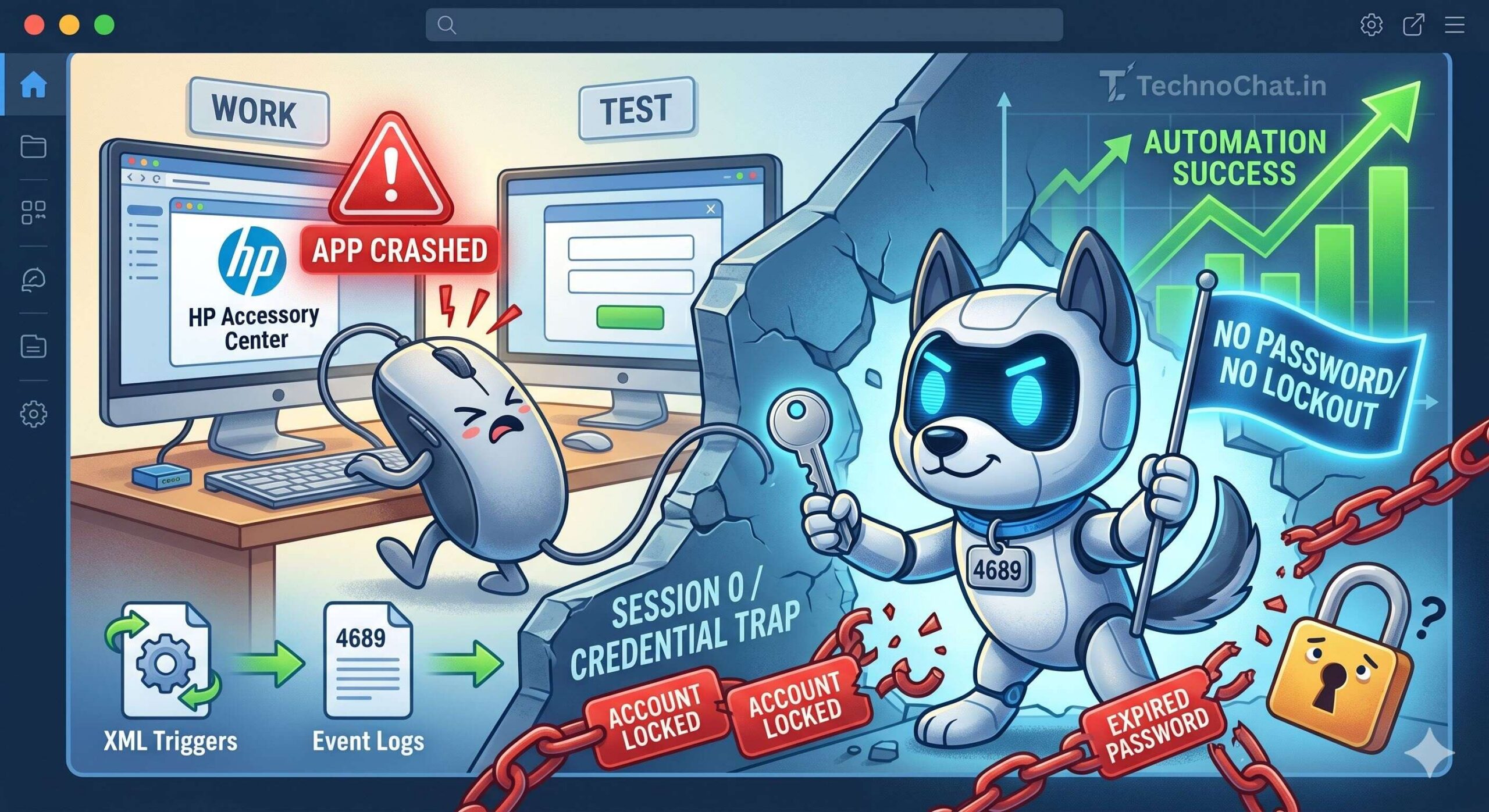
The Credential-Free Watchdog: Mastering Event-Driven App Automation
We have all been there. You are an automation lover. You have…

Attackers Exploit SharePoint Authentication Bypass After Public PoC Release
Microsoft’s SharePoint platform is facing active exploitation following the public release of…
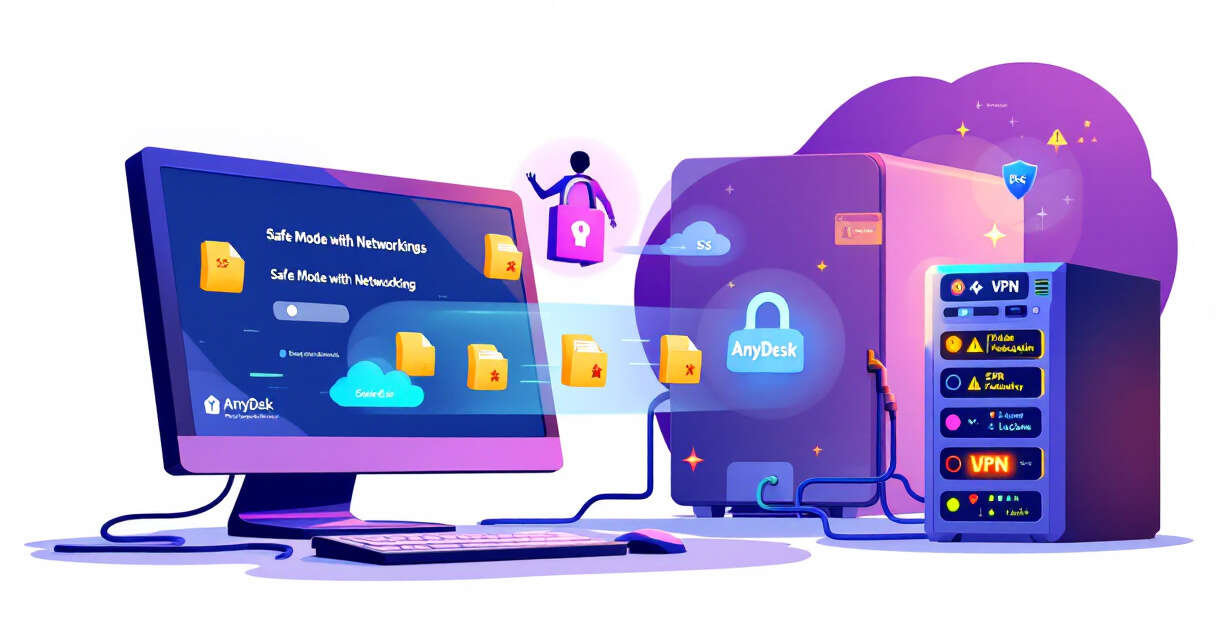
Akira Ransomware Uses Windows Safe Mode to Shut Down EDR Before Launching Encryptor
Akira’s latest tactics expand the ransomware playbook: instead of relying solely on…

WordPress Imagick RCE (CVE-2026-65640): What Site Owners Need to Know
WordPress has just released a security-focused update — version 7.0.4 — to…