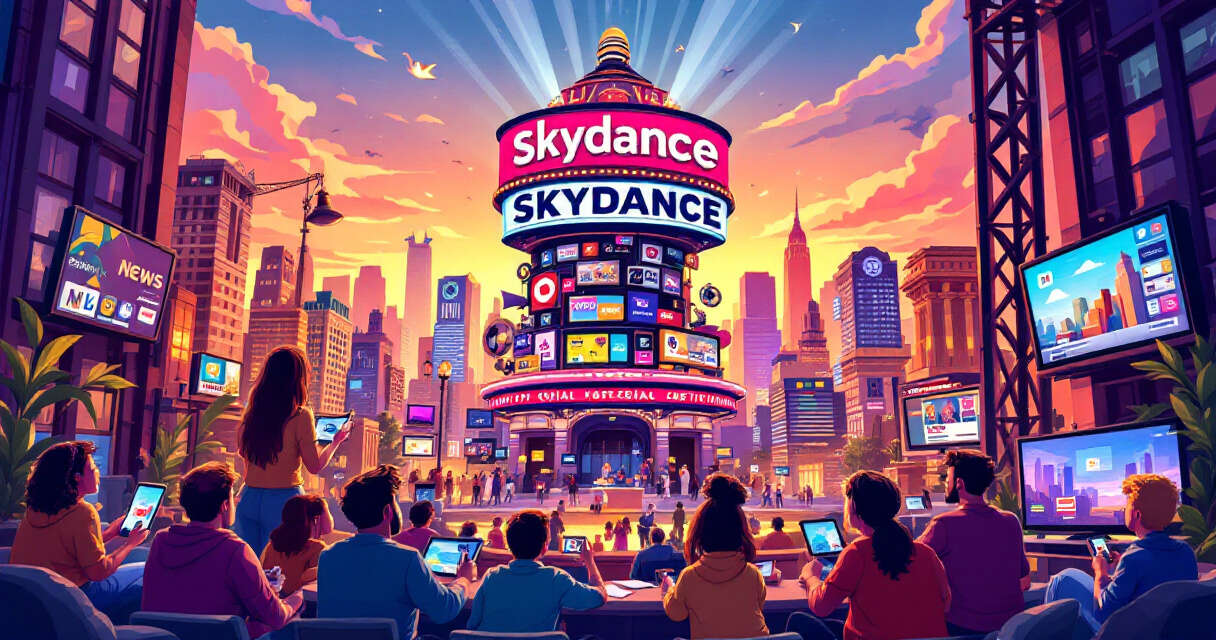
Paramount has completed its $111 billion merger with Warner Bros. Discovery, forming a new media giant called Skydance. The merger — finalized after a last-ditch legal effort to block the deal was denied — combines two of Hollywood’s largest studios and their streaming platforms, Paramount+ and HBO Max, along with broadcast and cable assets such as CBS, CNN, CBS Sports and TNT Sports. The consolidation marks one of the biggest restructurings in the entertainment landscape and raises questions about competition, editorial independence, debt levels and the future of streaming and theatrical releases.
The deal and the final legal roadblocks
The merger was contested from multiple angles. California and 11 other states filed suit arguing the combination would likely reduce competition and violate antitrust law. U.S. District Judge Araceli Martínez-Olguín in the Northern District of California initially concluded the merger raised serious competitive concerns, but ultimately approved a negotiated settlement on September 30 that the judge characterized as a compromise that saves the time and expense of a trial. That settlement includes provisions targeting film distribution practices and licensing of basic cable channels.
A separate consumer lawsuit and an emergency appeal also failed to halt the transaction. Plaintiffs who purchase streaming subscriptions sought relief in the Ninth Circuit; after that court declined to intervene, they applied for emergency relief from Supreme Court Justice Elena Kagan, who denied the request without comment. With those legal avenues exhausted, the merger closed and Skydance emerged as the combined company.
Key terms of the settlement
The settlement adopted by the court was designed to address the states’ concerns without fully litigating the matter. Among the specific remedies are requirements for minimum investment thresholds and commitments regarding the domestic release of films, intended to preserve theatrical windows and distribution choices. The settlement also calls for continued separate negotiations for distribution of the two companies’ basic cable holdings, a response to worries that consolidation could reduce carriage competition.
Another notable element requires the establishment of an Editorial Independence Board for CBS News and CNN. While the board’s members will be selected by Skydance and will report to its board of directors, the provision reflects regulators’ and plaintiffs’ concerns about preserving journalistic independence after such a large corporate consolidation.
Governance and leadership after the merger
According to the company announcement, CNN CEO Mark Thompson and CBS News Editor-in-Chief Bari Weiss will remain in their roles following the merger. The settlement’s Editorial Independence Board is intended as an institutional safeguard, although some advocacy groups have criticized the board’s structure and appointments as insufficient to fully guarantee independent newsrooms.
Ownership and financing: sovereign investors and voting control
Skydance’s financing attracted attention as well. The Federal Communications Commission approved a financing plan that allowed Paramount to sell large equity stakes to sovereign wealth funds from Saudi Arabia, the United Arab Emirates and Qatar. Those sovereign investors hold non-voting shares, while voting control remains concentrated: the Ellison family and RedBird Capital Partners reportedly own 100 percent of the company’s voting shares. This ownership structure leaves operational control in the hands of the Ellison family and close partners, even as outside capital helped close the transaction.
Debt load and strategic pressures
Reports suggest the new company will carry roughly $80 billion in debt. That level of leverage creates immediate pressures to grow streaming subscribers, eke out cash flow from cable networks, and improve box office performance to service the debt and justify the merger premium. Management faces the task of integrating large content libraries, rationalizing overlapping operations, and finding efficiencies without undermining the creative output that drives subscriptions and theatrical revenue.
Responses from advocacy groups and the public interest perspective
A coalition of free speech and media advocacy organizations criticized the settlement and the merger’s resolution, saying it left residents of the suing states “virtually nothing.” Critics argue the remedies do not go far enough to ensure competition or editorial independence. The judge who approved the settlement acknowledged that a negotiated resolution may disappoint some but framed the outcome as a reasonable compromise that avoids the cost and uncertainty of continued litigation.
What this means for consumers and creators
For consumers, the combined company may offer a deeper consolidated content library and potentially more bundling options — but it also raises concerns about reduced competition, fewer choices for distribution and higher bargaining leverage against distributors and smaller streaming services. For creators and talent, the new structure might bring larger marketing muscle and wider distribution for major releases, but the debt burden could put more pressure on performance-driven decision-making and influence content slates.
A turning point for the industry
The creation of Skydance is one of the most consequential media mergers in recent memory. It reflects a continuing trend of consolidation as legacy media companies try to scale against global streaming competitors and navigate capital-intensive content strategies. How Skydance manages regulatory commitments, maintains journalistic norms at CBS and CNN, stabilizes its balance sheet and competes in streaming will shape the industry for years to come.
 Licensed under CC BY-ND 4.0 International

Smuggling Code: How ClickFix Uses Browser Cache to Beat Windows Run Limits
ClickFix attacks have evolved from simple social-engineering lures into highly creative delivery…

Amazon Drops NDAs as Data Center Backlash Grows
Amazon’s recent move to stop using nondisclosure agreements (NDAs) with government agencies…

OpenAI’s ‘Trusted Contact’ for ChatGPT: A New Safeguard for Users at Risk
On May 7, 2026, OpenAI unveiled a feature called Trusted Contact for…
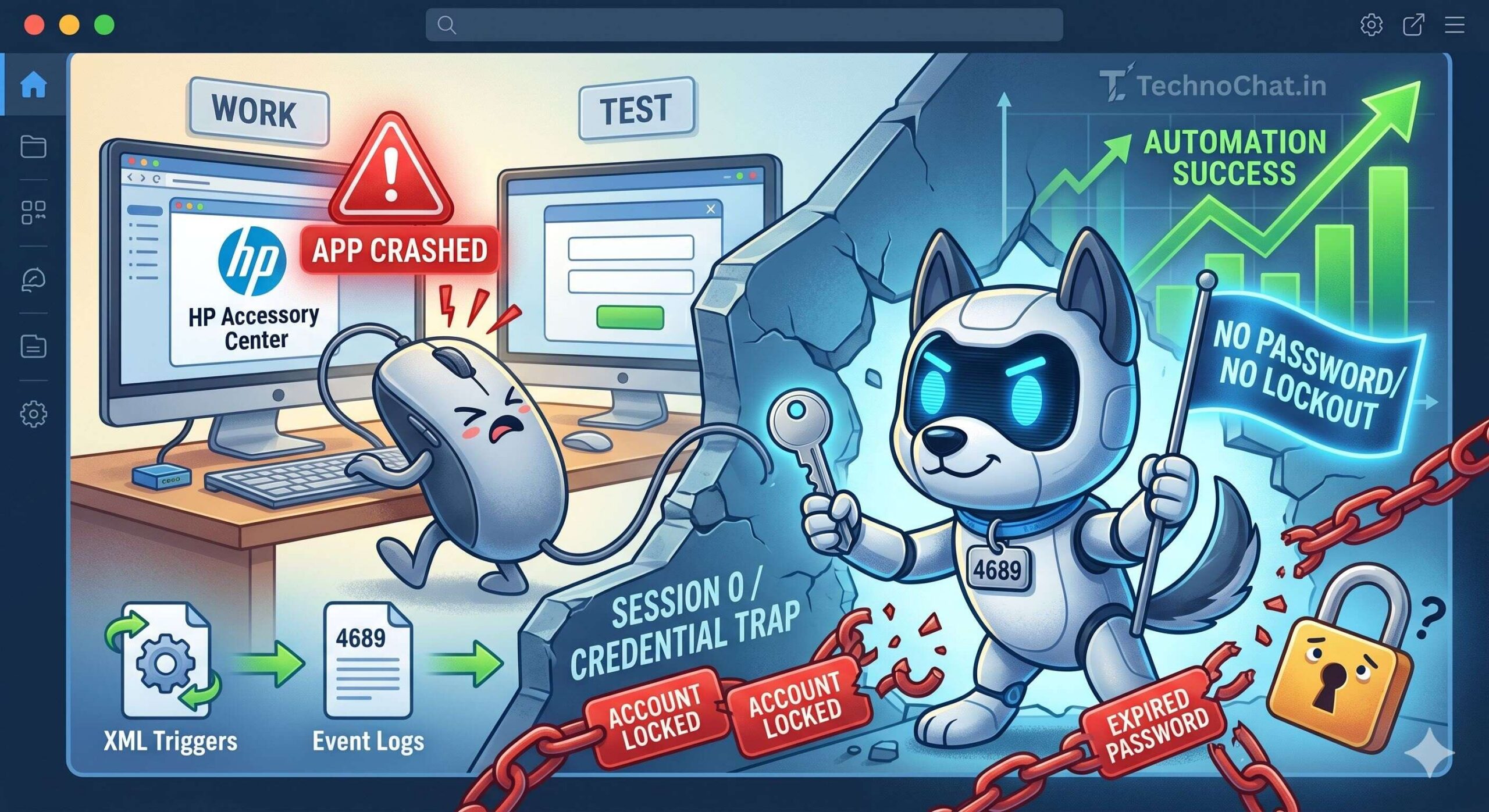
The Credential-Free Watchdog: Mastering Event-Driven App Automation
We have all been there. You are an automation lover. You have…
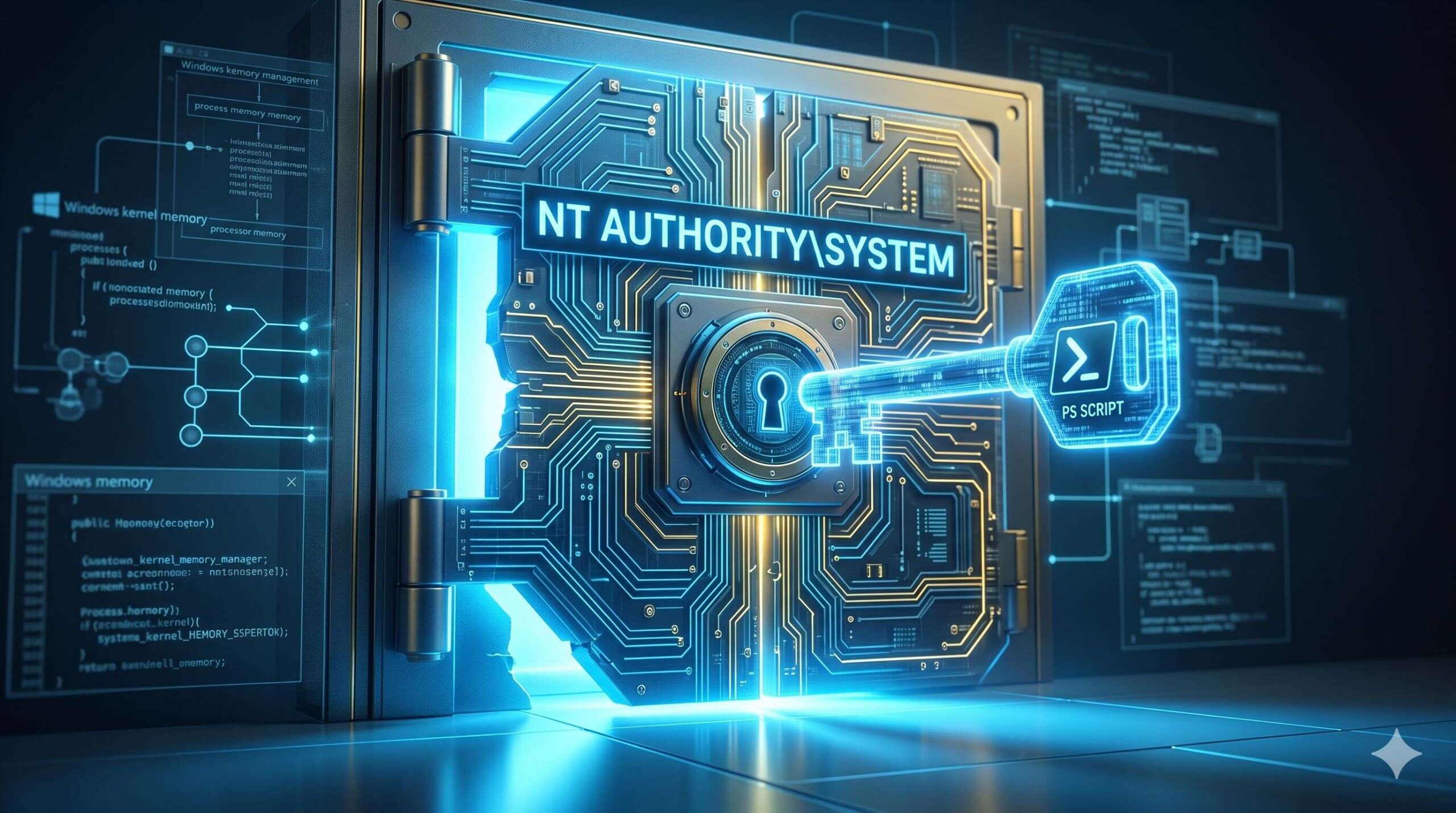
Ditching PsExec – Running Interactive SYSTEM Shells Natively in PowerShell
If you’ve spent any time in Windows System Administration over the last…

OpenAI’s GPT-5.4-Cyber: a practical boost for defenders — and a new risk calculus
OpenAI has introduced GPT-5.4-Cyber, a purpose-built variant of GPT-5.4 tuned to assist…

Micropatches for Windows Shell Bypass (CVE-2026-21510): What 0patch Fixed and Why It Matters
Microsoft released fixes earlier this year for CVE-2026-21510, a security feature bypass…

Building an AI Coding Tool Stack for Modern Development
The past few years have quietly transformed how software is written. AI-assisted…