OpenAI has introduced GPT-5.4-Cyber, a purpose-built variant of GPT-5.4 tuned to assist vetted security professionals with tasks previously reserved for specialized analysts. Rather than a general consumer release, this model is designed to lower refusal rates for legitimate cybersecurity workflows: binary reverse engineering, vulnerability scanning, malware analysis and exploit research. The announcement frames the model as a defensive accelerant —
Category: Scripts and Coding
VBScript, Python, Shell Scripting, Bash, Bash script, shell script, API Scripting, YAML, JSON, XML, Regex, cron, scripting basics, script templates, script security, REST API, webhook, coding tutorial, Go, Golang, Rust, Ruby, Perl, batch script, batch file, .sh, automation script
Micropatches for Windows Shell Bypass (CVE-2026-21510): What 0patch Fixed and Why It Matters
Microsoft released fixes earlier this year for CVE-2026-21510, a security feature bypass in Windows Explorer that let specially crafted shortcut (LNK) files execute a remotely hosted DLL without the usual security warning. Researchers observed exploitation in the wild and uploaded a sample to malware repositories, enabling vendors and defenders to reproduce the issue and protect legacy systems that no longer
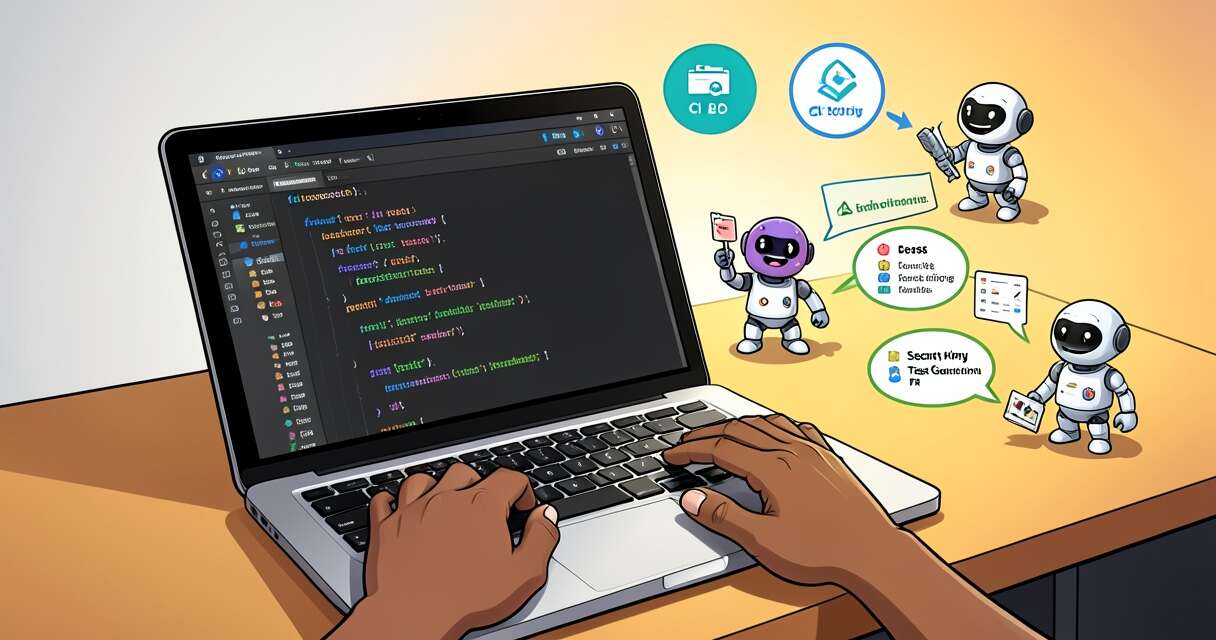
Building an AI Coding Tool Stack for Modern Development
The past few years have quietly transformed how software is written. AI-assisted tools are no longer experimental add-ons; they’re becoming integral parts of developer workflows. But picking the right combination of models, integrations, and guardrails is more art than science. This article walks through a pragmatic approach to assembling an AI coding tool stack that improves productivity without sacrificing code
What’s New in Microsoft Defender: AI Triage, Predictive Hardening, and Call Monitoring — What IT Teams Should Know
Microsoft used RSA 2026 to roll out a wave of Defender enhancements that are already changing how security teams detect, investigate, and respond to risk. The announcements bundle intuitive UX changes—like a consolidated identity dashboard—with more consequential shifts: AI-driven triage and automated hardening that can act proactively on predicted attacker movement. These features promise speed and scale, but they also
Automate Your Claude Code Workflow: A Practical Guide to Scheduled Tasks
A little automation goes a long way. If you spend any time monitoring deployments, babysitting long-running builds, checking back on pull requests, or simply reminding yourself to follow up on something later, Claude Code’s scheduled tasks give you a lightweight, session-scoped way to run prompts on a cadence. They let Claude re-run prompts automatically while your session is open, turning
When Local Trust Breaks: The OpenClaw 0-Click Vulnerability and What Developers Must Do Now
The speed at which developer-facing AI agents have been adopted is staggering — and rapid adoption often outpaces secure design. A recent, high-impact vulnerability in OpenClaw demonstrates how a single innocuous browser visit can be transformed into a full agent takeover. For developers and security teams, this is a reminder that conveniences like “localhost-first” assumptions carry real risk. This post