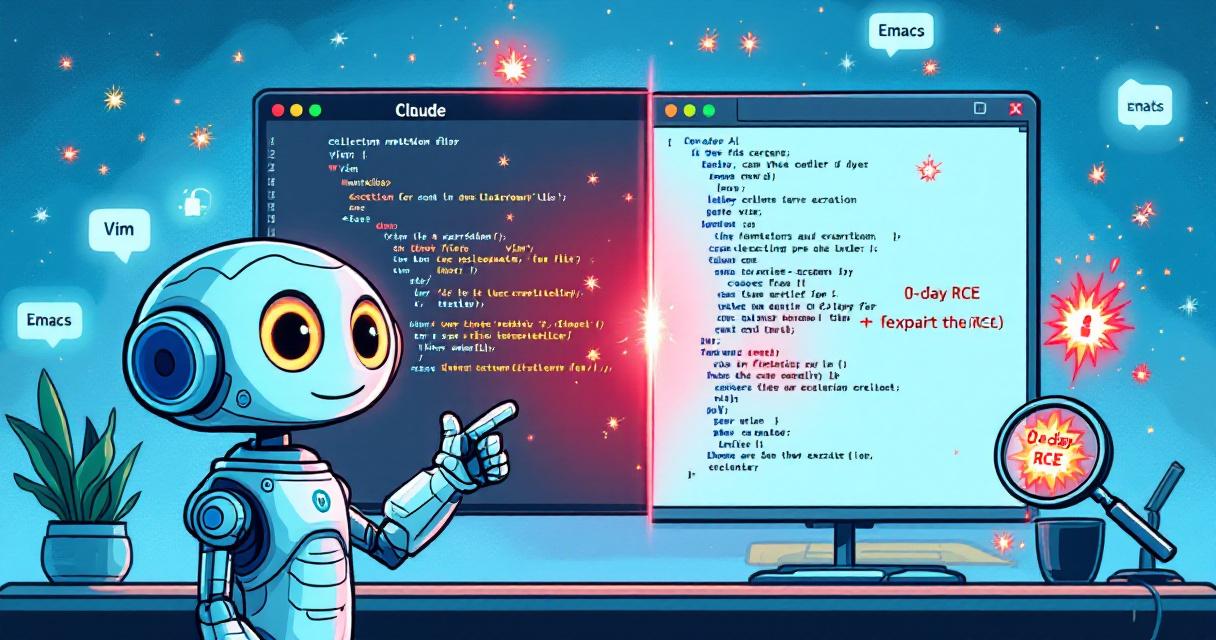
A recent research effort demonstrated that advanced AI models can accelerate and amplify vulnerability discovery in legacy software. Anthropic’s Claude was used to hunt for remote code execution (RCE) flaws and successfully produced proof-of-concept exploits against both Vim and GNU Emacs. The findings illustrate how natural-language prompts can surface high-impact bugs with surprising ease, and they raise urgent questions about
Category: Cybersecurity
Zero-Day, APT, Exfiltration, Lateral-Movement, Privilege-Escalation, Botnet, Rootkit, Backdoor, Keylogger, Smishing, Vishing, Spear-Phishing, Social-Engineering, MITM, SQL-Injection, XSS, CSRF, Path-Traversal, Buffer-Overflow, Honeypot, CVE, CVSS, Red-Team, Blue-Team, Threat-Hunting, Malware-Analysis, MITRE-ATT&CK, Insider-Threat, Jailbreak, Shellcode, Exploit-Kit, LFI, RFI, Obfuscation, Payload, security advisory, vulnerability disclosure, CWE, OWASP, cybersecurity news, threat intelligence, SOC, SIEM, cryptotheft, evasion, CVE Security
What’s New in Microsoft Defender: AI Triage, Predictive Hardening, and Call Monitoring — What IT Teams Should Know

Microsoft used RSA 2026 to roll out a wave of Defender enhancements that are already changing how security teams detect, investigate, and respond to risk. The announcements bundle intuitive UX changes—like a consolidated identity dashboard—with more consequential shifts: AI-driven triage and automated hardening that can act proactively on predicted attacker movement. These features promise speed and scale, but they also
Anthropic’s Mythos Rocks Cybersecurity Stocks: What Investors and Defenders Need to Know

News moved fast one Friday: a new, exceptionally powerful AI model from Anthropic—codenamed Mythos—leaked into the market conversation, and the ripple effects were immediate. Stocks tied to cybersecurity fell sharply, reflecting a fresh wave of anxiety: if an AI can find complex code flaws faster than teams of humans, what becomes of the companies that sell digital defenses? This post
Anthropic’s Claude Mythos Leak: When Pre-Release Secrets Meet Cybersecurity Risk

Anthropic recently found itself at the center of an avoidable but consequential security incident: leaked internal drafts revealing the existence of an unreleased, high-capability model called “Claude Mythos.” The exposure—rooted in an unsecured, publicly searchable data cache—pulled back the curtain on product plans, internal risk assessments, and even references to an exclusive executive event. For organizations building powerful AI, the
Citrix Warns: Patch NetScaler ADC and Gateway Flaws Immediately
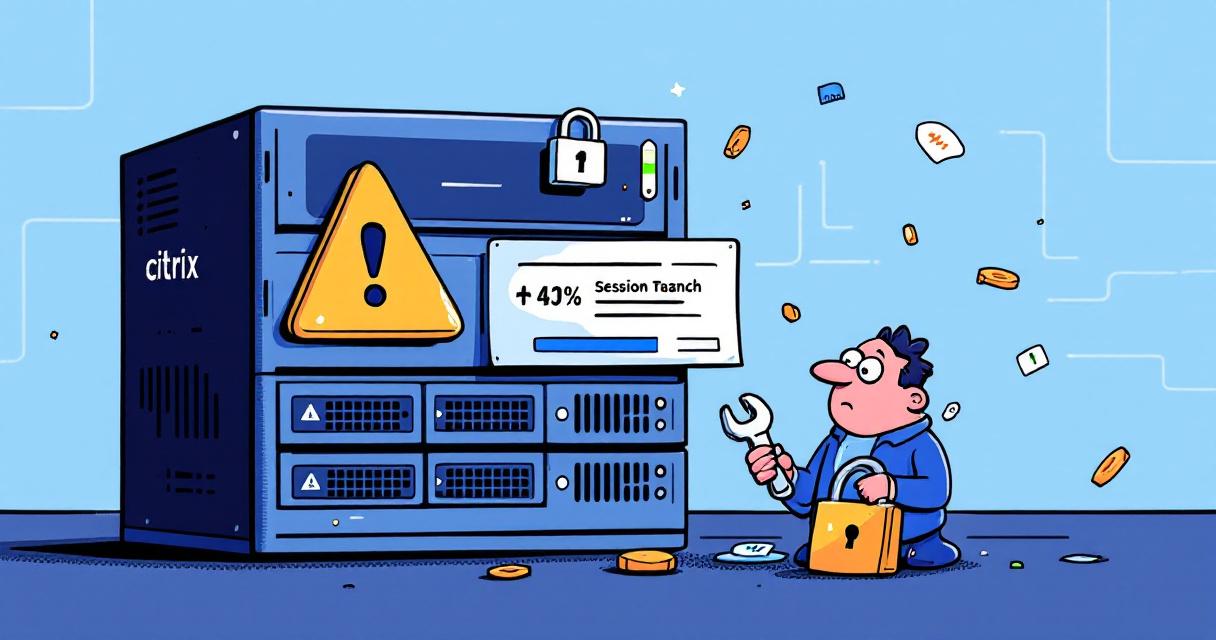
Citrix has released urgent security updates for NetScaler ADC and NetScaler Gateway after discovering two vulnerabilities that could expose sensitive session data and cause session mix-ups. The company is urging administrators to apply the fixes as soon as possible, citing the potential for exploitation that echoes earlier high-profile memory-leak bugs that were actively abused in the wild. What happened Earlier
Kali Linux 2026.1 Arrives — New Tools, NetHunter Breakthroughs, and a Nostalgic BackTrack Mode

Kali Linux’s first major release of 2026 lands with a mix of practical upgrades, fresh aesthetics, and a handful of features that will matter to both day-to-day penetration testers and mobile security researchers. Version 2026.1 brings a modernized look, an under‑the‑hood kernel bump, targeted NetHunter enhancements, and eight new offensive-security tools that expand Kali’s capabilities in post‑exploitation, web testing, and