Category

Hacking and Exploits

Web-Hacking, 0-Day, Malware, Ransomware, Exploit, Vulnerabilities, Privilege-Flaw, Privilege-Escalation, Zero-Day, Exploit, Jailbreak, Penetration-Testing, Trojan, Spyware, Rootkit, Worm, Backdoor, Payload, Obfuscation, DDoS, Phishing, MITM, Spoofing, Brute-force, Port-Scan, SQLi, XSS, CSRF, Path-Traversal, LFI, RFI, Insecure-Deserialization, Buffer-Overflow, CVE, Exploit-Kit, Shellcode, bug bounty, ethical hacking, CTF, capture the flag, offensive security, red team exercise, exploit development, reverse engineering, vulnerability research, credential harvesting, zero-click, hack

Page 8
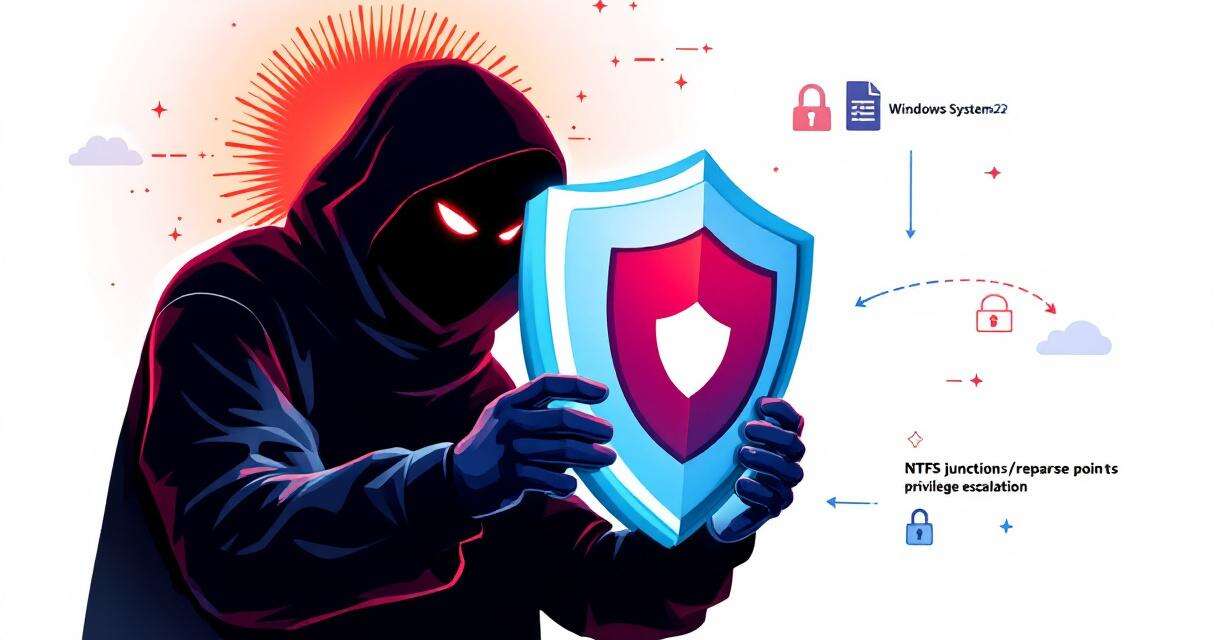
RedSun: New Microsoft Defender Zero-Day Lets Unprivileged Users Gain SYSTEM Access

RedSun: New Microsoft Defender Zero-Day Lets Unprivileged Users Gain SYSTEM Access

A freshly disclosed zero-day vulnerability in Microsoft Defender, dubbed "RedSun," has raised alarms across enterprise security teams: an unprivileged user can escalate to full SYSTEM-level access on fully patched Windows systems. The flaw was detailed publicly in April 2026 by a researcher known as "Chaotic Eclipse" (also referenced as Nightmare‑Eclipse on GitHub). Independent verification from vulnerability analyst Will Dormann confirms the exploit works reliably on current Windows releases, and as…

Saugata Datta4 min read380
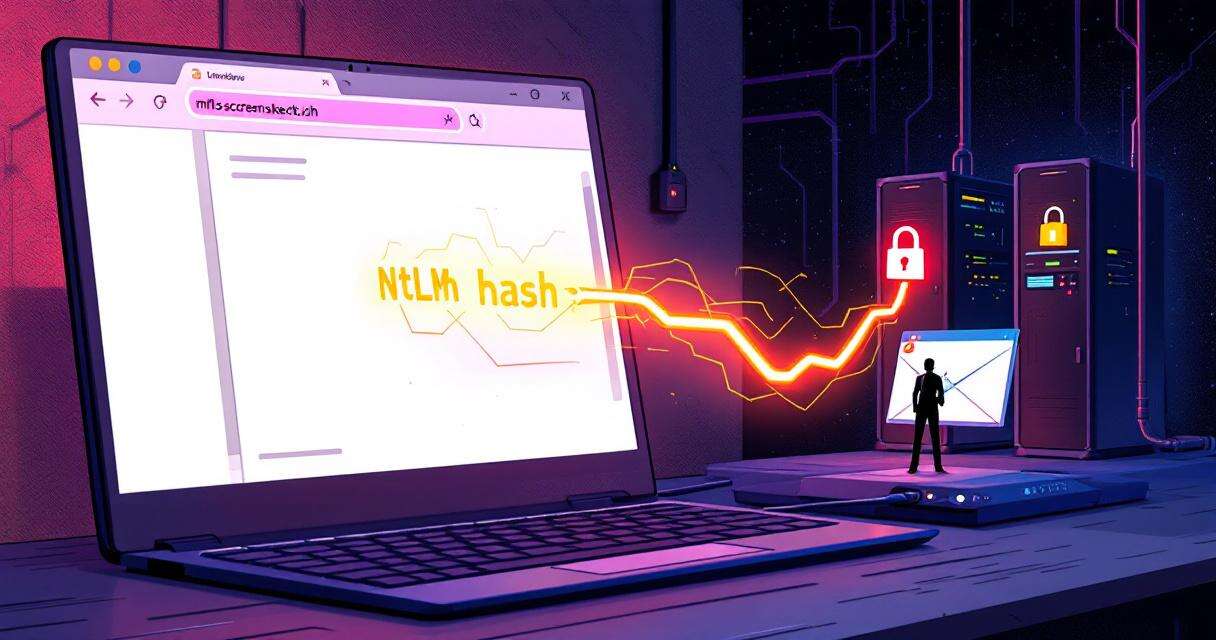
How the Windows Snipping Tool’s CVE-2026-33829 Opens the Door to NTLM Hash Theft

How the Windows Snipping Tool’s CVE-2026-33829 Opens the Door to NTLM Hash Theft

Microsoft patched a moderate-severity flaw in the Windows Snipping Tool in the April 14, 2026 security updates that could let attackers trick the application into leaking authentication material. Tracked as CVE-2026-33829 and reported by Blackarrow (Tarlogic), the issue stems from how Snipping Tool handles certain deep links and can result in an authenticated Server Message Block (SMB) connection to an attacker-controlled server, exposing NTLMv2 hashes. What the vulnerability is CVE-2026-33829…

Saugata Datta3 min read505
Microsoft Patch Tuesday — April 2026: 168 Vulnerabilities Fixed, Including an Actively Exploited SharePoint Zero-Day

Microsoft Patch Tuesday — April 2026: 168 Vulnerabilities Fixed, Including an Actively Exploited SharePoint Zero-Day

Microsoft’s April 2026 Patch Tuesday delivers a heavy set of fixes: 168 vulnerabilities across Windows, Office, Azure components and developer tools. The release includes one confirmed actively exploited zero-day in SharePoint Server (CVE-2026-32201) and a publicly disclosed elevation-of-privilege flaw in Microsoft Defender (CVE-2026-33825). Beyond those high-visibility issues, eight vulnerabilities are rated Critical — most of them Remote Code Execution (RCE) flaws — and dozens more allow elevation of privilege, information…

Saugata Datta6 min read411
Synology SSL VPN Client Flaws Let Remote Attackers Read Files and Expose PINs — Patch Now

Synology SSL VPN Client Flaws Let Remote Attackers Read Files and Expose PINs — Patch Now

Synology has released a security advisory addressing two important vulnerabilities in its SSL VPN Client that could allow remote attackers to access sensitive files and expose locally stored PINs. Both flaws require user interaction—specifically, visiting a crafted web page while the vulnerable client is running—but their consequences range from quietly reading configuration files and certificates to enabling interception of VPN traffic by abusing exposed credentials. Administrators and users should prioritize…

Saugata Datta3 min read382
Micropatches for Windows Shell Bypass (CVE-2026-21510): What 0patch Fixed and Why It Matters

Micropatches for Windows Shell Bypass (CVE-2026-21510): What 0patch Fixed and Why It Matters

Microsoft released fixes earlier this year for CVE-2026-21510, a security feature bypass in Windows Explorer that let specially crafted shortcut (LNK) files execute a remotely hosted DLL without the usual security warning. Researchers observed exploitation in the wild and uploaded a sample to malware repositories, enabling vendors and defenders to reproduce the issue and protect legacy systems that no longer receive timely official updates. This post explains how the vulnerability…

Saugata Datta4 min read437
How a Flippa Purchase Turned 30+ “Essential Plugin” WordPress Plugins into Backdoor Bait

How a Flippa Purchase Turned 30+ “Essential Plugin” WordPress Plugins into Backdoor Bait

Last week I encountered a supply-chain incident that felt eerily familiar but much larger in scale. A client’s dashboard had started showing a warning from the WordPress.org Plugins Team about a plugin serving code that could permit unauthorized access. A deeper dive revealed an attacker had quietly weaponized an entire portfolio of plugins—planting a backdoor that lay dormant for months before being activated to serve cloaked SEO spam and redirects.…

Saugata Datta6 min read504
Critical Flaw in User Registration Membership Plugin (CVE-2026-1492) Lets Attackers Bypass WordPress Authentication

Critical Flaw in User Registration Membership Plugin (CVE-2026-1492) Lets Attackers Bypass WordPress Authentication

A newly disclosed vulnerability in a popular WordPress plugin can allow attackers to log in as administrators without a username or password. Tracked as CVE-2026-1492 and carrying a CVSS v4.0 score of 9.8, the flaw affects all versions of the User Registration Membership plugin up through 5.1.2. The issue was documented in early March 2026 by CYFIRMA researchers and represents an urgent risk for site owners who rely on the…

Saugata Datta3 min read566
ActiveMQ broker RCE tied to CVE-2026-34197: what admins need to know

ActiveMQ broker RCE tied to CVE-2026-34197: what admins need to know

A long-standing flaw in Apache ActiveMQ has resurfaced as a serious concern for administrators. The issue—listed on CISA’s Known Exploited Vulnerabilities (KEV) list under entry 46604—enables unauthenticated remote command execution via the broker port. Although CVE-2026-34197 is not yet reported as being widely exploited in the wild, researchers examining broker logs say there are clear indicators that attackers have attempted and succeeded in executing payloads against some installations. Background: why…

Saugata Datta3 min read591
Critical RCE in Ninja Forms File Upload Exposes ~50,000 WordPress Sites

Critical RCE in Ninja Forms File Upload Exposes ~50,000 WordPress Sites

A recently disclosed vulnerability in the popular Ninja Forms “File Upload” addon has placed roughly 50,000 WordPress sites at risk of full takeover. Tracked as CVE-2026-0740 and carrying a CVSS score of 9.8, the flaw allows unauthenticated arbitrary file uploads — a straightforward path to remote code execution (RCE) for attackers. Site owners who rely on the affected plugin must act immediately to patch and inspect their environments. What happened…

Saugata Datta4 min read565
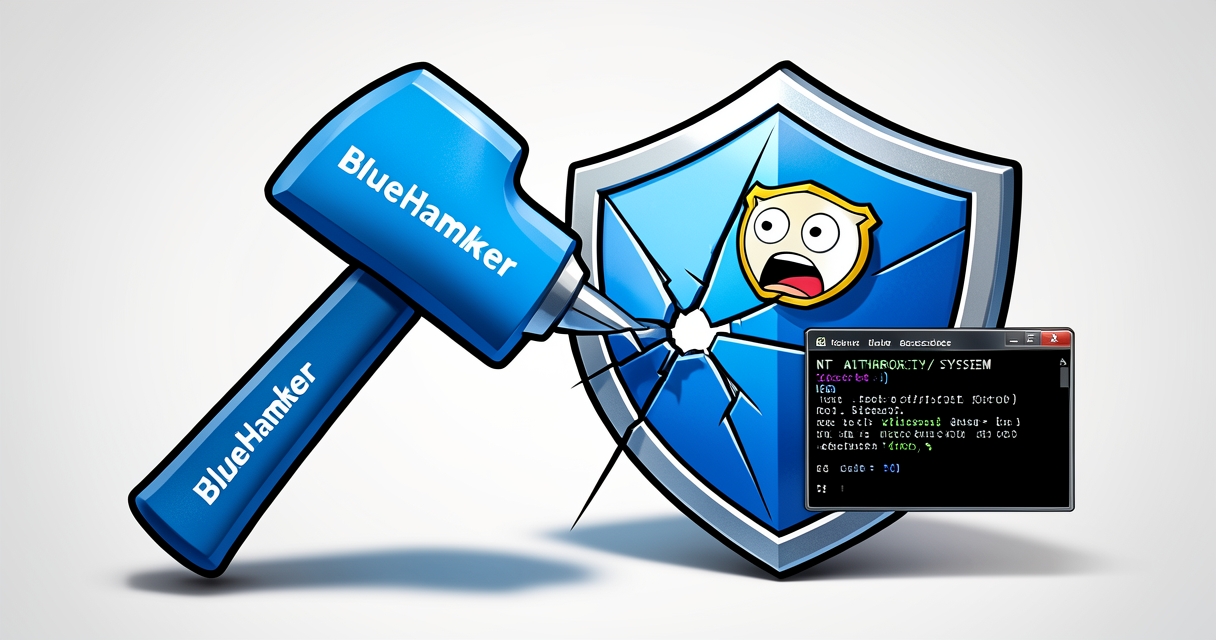
Researcher Publishes Windows Defender 0-Day ‘BlueHammer’ LPE Proof‑of‑Concept

Researcher Publishes Windows Defender 0-Day ‘BlueHammer’ LPE Proof‑of‑Concept

A security researcher using the handle Chaotic Eclipse has publicly released a working proof‑of‑concept for a Windows zero‑day local privilege escalation (LPE) exploit called "BlueHammer." The disclosure, accompanied by full source code on GitHub, was confirmed as functional by vulnerability researcher Will Dormann and demonstrates that a low‑privileged local user can escalate to NT AUTHORITYSYSTEM on affected machines. The release has sparked concern across the security community because it is…

Saugata Datta4 min read404
Microsoft Links Medusa Ransomware Affiliate to Zero-Day Exploitation Campaign

Microsoft Links Medusa Ransomware Affiliate to Zero-Day Exploitation Campaign

Microsoft’s recent analysis tying a Medusa ransomware affiliate to a campaign that leveraged zero-day vulnerabilities has put a renewed spotlight on the evolving tactics of extortion groups and the threat posed by previously unknown software flaws. For security teams and executives, the announcement is a reminder that threat actors are combining rapid vulnerability exploitation with tried-and-true ransomware playbooks to increase both speed and impact. What Microsoft reported and why it…

Saugata Datta4 min read435
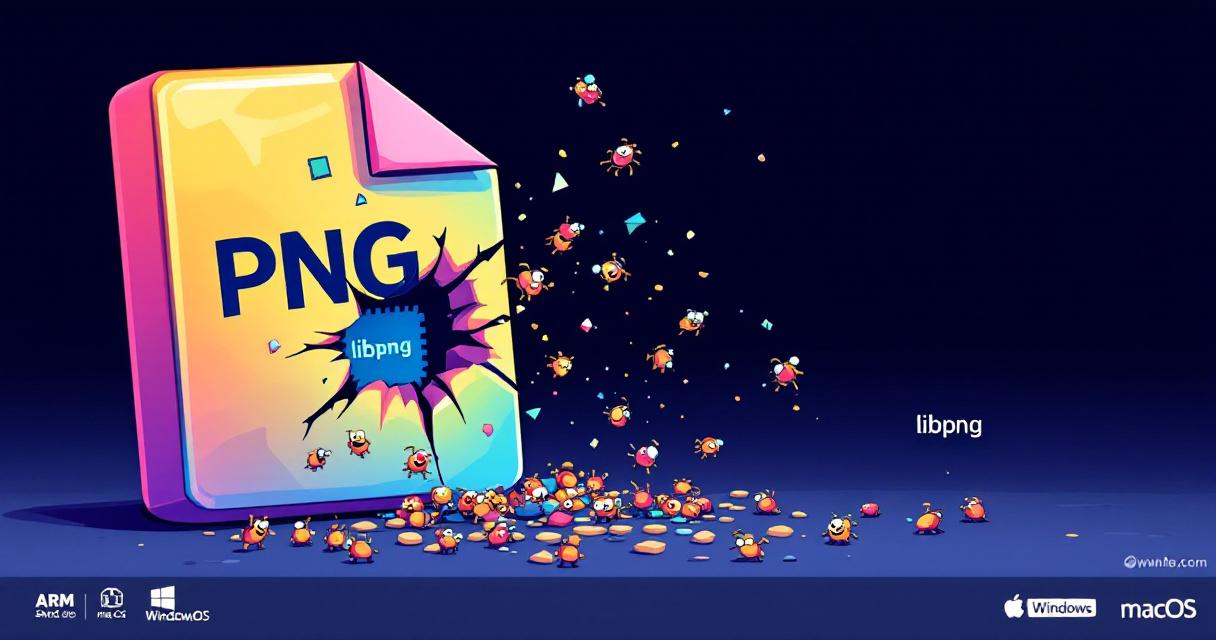
PNG parsing flaws in libpng let attackers crash processes, leak data, and risk code execution

PNG parsing flaws in libpng let attackers crash processes, leak data, and risk code execution

Two high-severity vulnerabilities discovered in libpng—the widely used reference library for reading and writing PNG images—create a sweeping risk for any software that parses images. The flaws can trigger process crashes, leak sensitive heap contents, and, on some platforms, enable arbitrary code execution. Because image handling is baked into web applications, server-side processing pipelines, mobile and embedded systems, and desktop apps, the impact surface is broad and urgent. What was…

Saugata Datta5 min read436
🧰

Free Tools: IP, DNS, SSL

40+ free network and other tools in one place. No signup. Click explore or visit https://technochat.in/tools

Explore