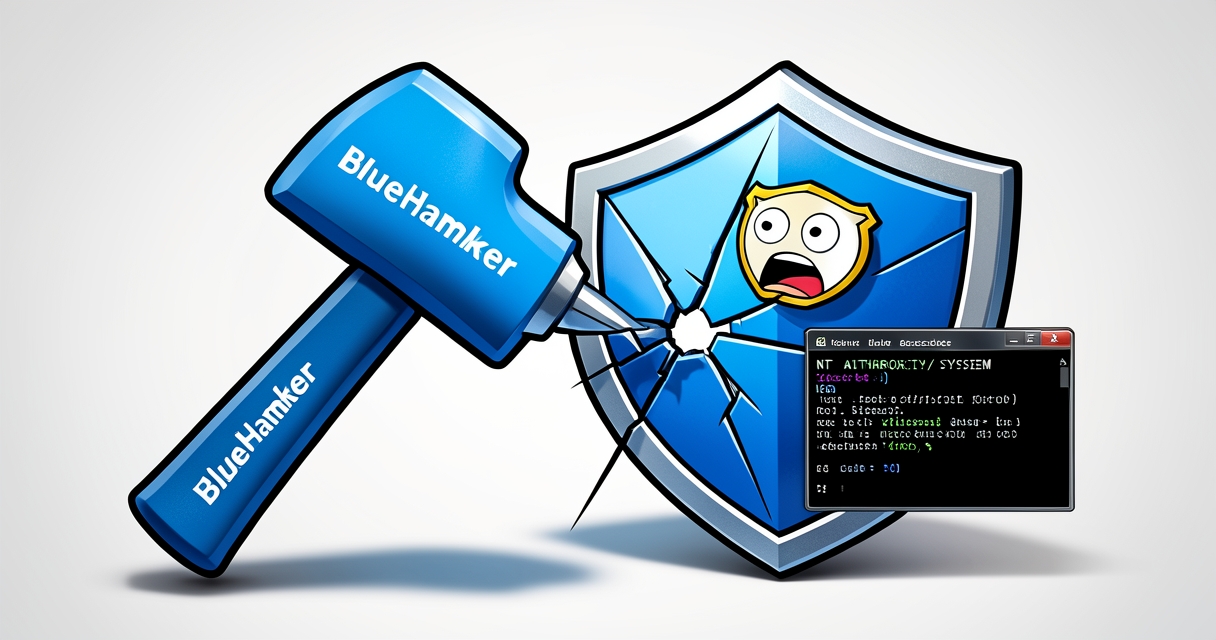
A security researcher using the handle Chaotic Eclipse has publicly released a working proof‑of‑concept for a Windows zero‑day local privilege escalation (LPE) exploit called “BlueHammer.” The disclosure, accompanied by full source code on GitHub, was confirmed as functional by vulnerability researcher Will Dormann and demonstrates that a low‑privileged local user can escalate to NT AUTHORITYSYSTEM on affected machines. The release
Category: Hacking and Exploits
Web-Hacking, 0-Day, Malware, Ransomware, Exploit, Vulnerabilities, Privilege-Flaw, Privilege-Escalation, Zero-Day, Exploit, Jailbreak, Penetration-Testing, Trojan, Spyware, Rootkit, Worm, Backdoor, Payload, Obfuscation, DDoS, Phishing, MITM, Spoofing, Brute-force, Port-Scan, SQLi, XSS, CSRF, Path-Traversal, LFI, RFI, Insecure-Deserialization, Buffer-Overflow, CVE, Exploit-Kit, Shellcode, bug bounty, ethical hacking, CTF, capture the flag, offensive security, red team exercise, exploit development, reverse engineering, vulnerability research, credential harvesting
Microsoft Links Medusa Ransomware Affiliate to Zero-Day Exploitation Campaign
Microsoft’s recent analysis tying a Medusa ransomware affiliate to a campaign that leveraged zero-day vulnerabilities has put a renewed spotlight on the evolving tactics of extortion groups and the threat posed by previously unknown software flaws. For security teams and executives, the announcement is a reminder that threat actors are combining rapid vulnerability exploitation with tried-and-true ransomware playbooks to increase
PNG parsing flaws in libpng let attackers crash processes, leak data, and risk code execution
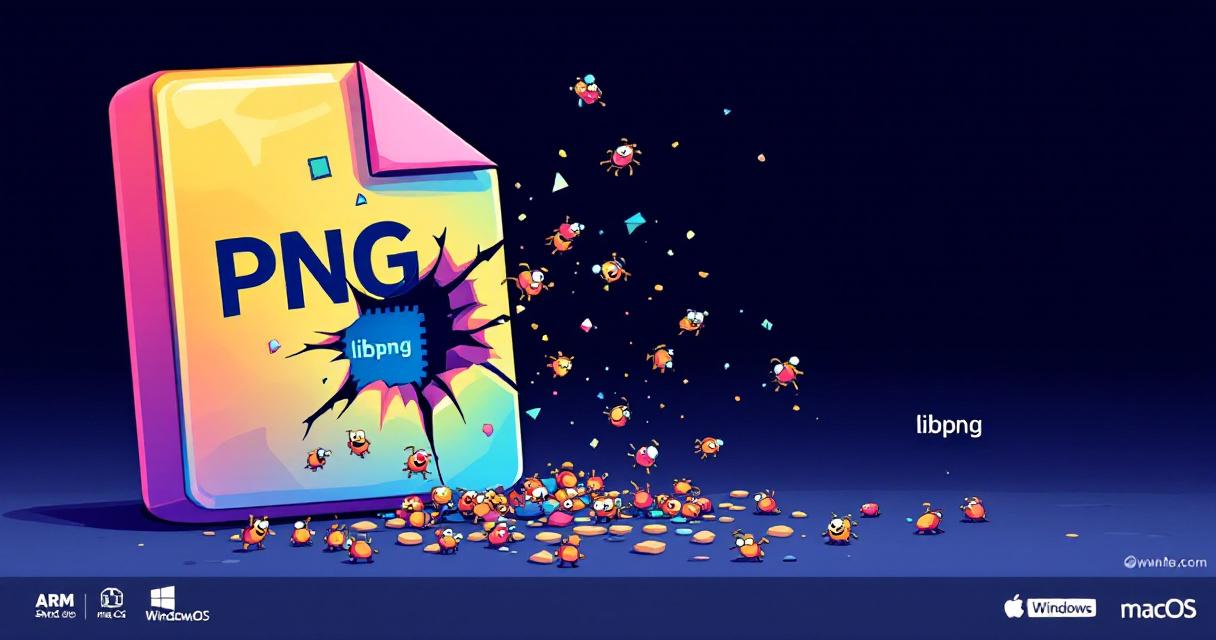
Two high-severity vulnerabilities discovered in libpng—the widely used reference library for reading and writing PNG images—create a sweeping risk for any software that parses images. The flaws can trigger process crashes, leak sensitive heap contents, and, on some platforms, enable arbitrary code execution. Because image handling is baked into web applications, server-side processing pipelines, mobile and embedded systems, and desktop
Google Drive turns on AI ransomware detection by default for paying users
Google has moved its AI-powered ransomware detection for Drive out of beta and enabled it by default for paid customers, shifting cloud storage from a passive backup to an active containment point. First trialed in late 2025, the feature now scans files as they sync from desktop endpoints and pauses syncing when ransomware-like encryption is detected, alerting both users and
Hackers Weaponize Legitimate Windows Tools to Kill Antivirus — What Defenders Must Do Now
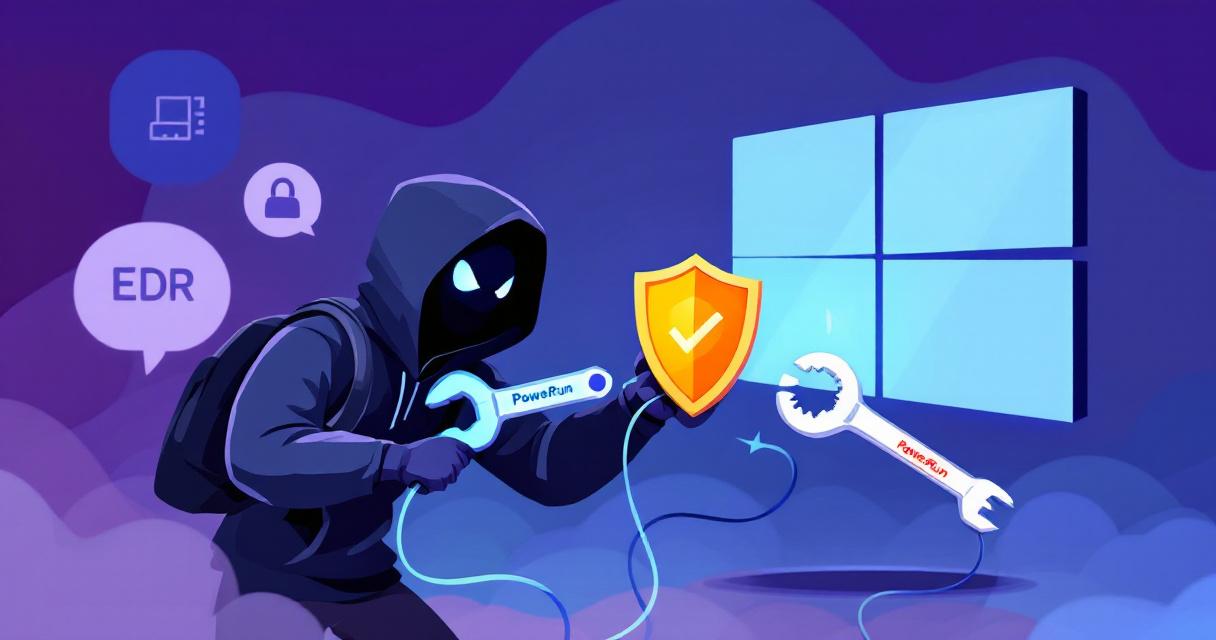
Ransomware gangs have evolved from noisy mass campaigns into precise, surgical operators. A growing and dangerous trend is the abuse of legitimate Windows utilities — tools built to help administrators troubleshoot and repair systems — as the first step in modern ransomware operations. By repurposing utilities such as Process Hacker, IOBit Unlocker, PowerRun, AuKill and TDSSKiller, attackers can silently neutralize
Notepad++ v8.9.3 Released — cURL Fixes, Crash Repairs, and Enterprise Controls
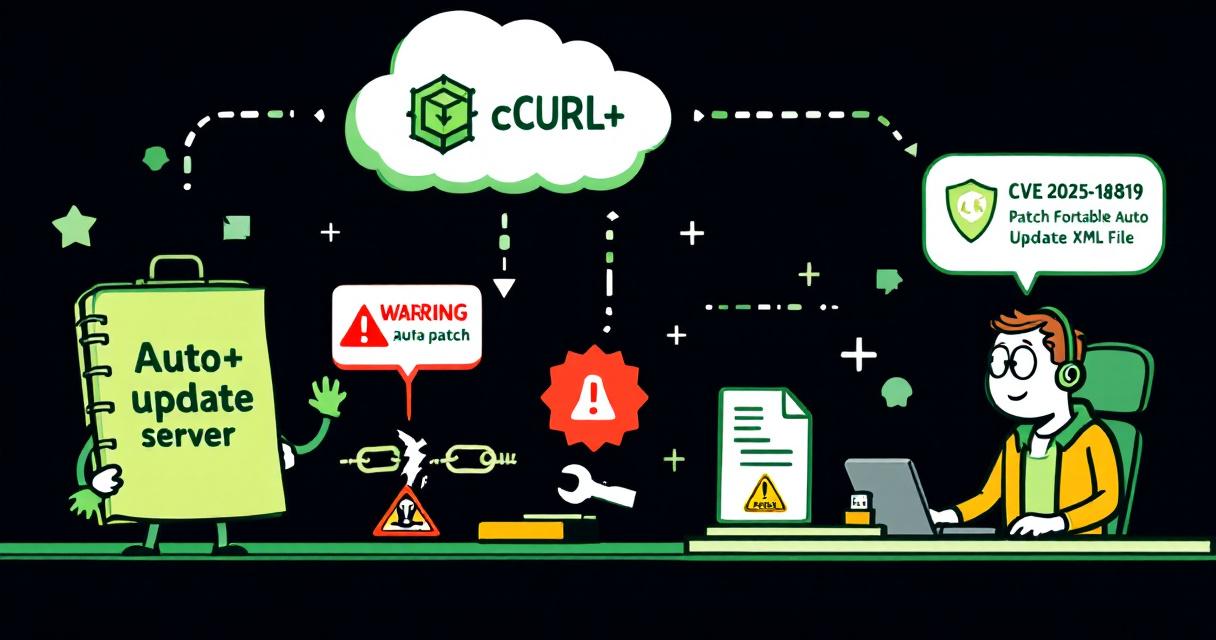
Notepad++ has shipped version 8.9.3, a maintenance-focused release that closes a notable security gap in its updater, resolves several long-standing stability regressions, and finishes a multi-release migration to a faster XML parser. For administrators and power users who depend on the editor for daily development work, this update is worth prompt attention: it contains both a security remediation and a