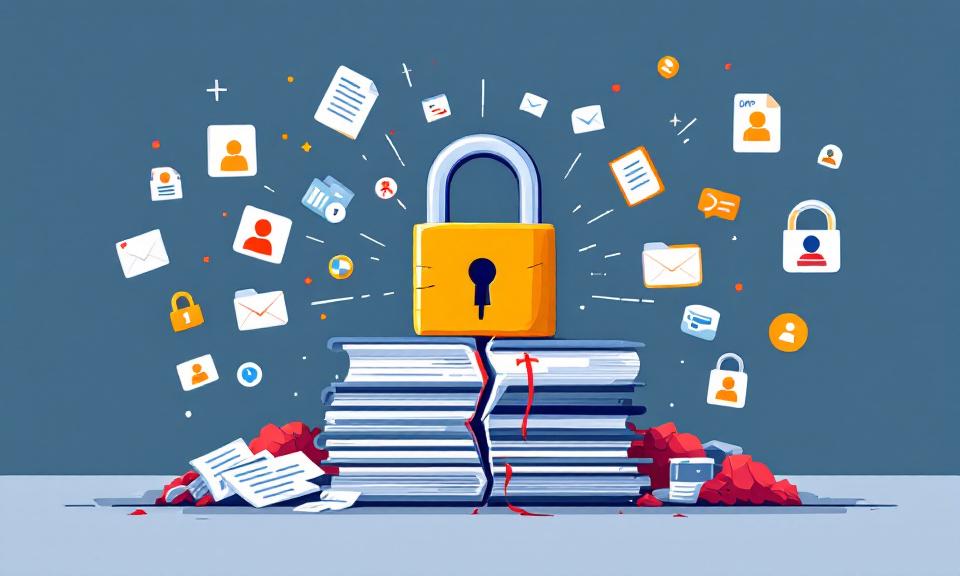
TriZetto Provider Solutions, a healthcare-technology subsidiary of Cognizant, has disclosed a large data breach that exposed the protected health information of 3,433,965 patients. The company classified the incident as an external system hacking event after threat actors gained unauthorized access to TriZetto’s external infrastructure.
Timeline and discovery
- Initial unauthorized access occurred on November 19, 2024.
- TriZetto did not detect the intrusion until November 28, 2025, meaning the intrusion persisted undetected for just over a year.
- TriZetto began notifying affected individuals on February 6, 2026, and filed formal breach notice materials with regulators; Maine’s Attorney General was notified and the filing identified 1,128 affected Maine residents.
What was exposed
According to the notification, attackers extracted full names and other personal identifiers combined with sensitive healthcare information from compromised systems. The filing does not indicate that financial account credentials were exposed but notes that the combination of identifiers and medical data increases risks such as targeted phishing, medical identity theft, and financial fraud for affected individuals.
Remediation and support
TriZetto engaged incident response efforts and retained security firm Kroll to assist. The company is offering impacted patients 12 months of complimentary single-bureau credit monitoring and identity-theft protection services as part of its remediation and notification process.
Practical next steps for affected individuals (consistent with expert guidance)
- Review any written notice from TriZetto for specific instructions and enrollment details for offered identity protection services.
- Monitor medical billing statements and Explanation of Benefits (EOBs) for unusual or unauthorized charges.
- Consider placing a credit freeze or fraud alert with the major credit bureaus if recommended or available in your jurisdiction.
- Be cautious of unsolicited communications that request personal information and treat unexpected messages about medical or billing matters as potential phishing attempts.
Why this matters
This breach underscores persistent risks in the healthcare supply chain and the consequences of long dwell times for intrusions. The exposure of identifying information tied to medical records can enable complex forms of fraud that may take months to detect and remediate.
 Licensed under CC BY-ND 4.0 International
Anthropic’s Claude Mythos Leak: When Pre-Release Secrets Meet Cybersecurity Risk
Anthropic recently found itself at the center of an avoidable but consequential…
Aura Exposed: When 900,000 Marketing Contacts Turned Into a Security Crisis
Aura, the consumer digital safety company known for identity protection and fraud…
When a Jailbreak Became a Campaign: How Claude AI Was Abused to Build Exploits and Steal Data
In late 2025 a persistent attacker turned a conversational AI into a…
AstraZeneca Allegedly Targeted by LAPSUS$ — Claims of a 3GB Internal Data Dump
A known hacking collective identifying as LAPSUS$ has posted claims that it…