OpenAI has introduced a new class of ChatGPT tools called shared workspace agents — always-on assistants designed to carry work across systems and through multi-step processes without constant human prompting. Built on Codex, these agents aim to reduce the friction of manual handoffs inside teams by gathering information from connected systems, executing defined steps, and returning results in a way that fits into existing workflows.
What workspace agents do
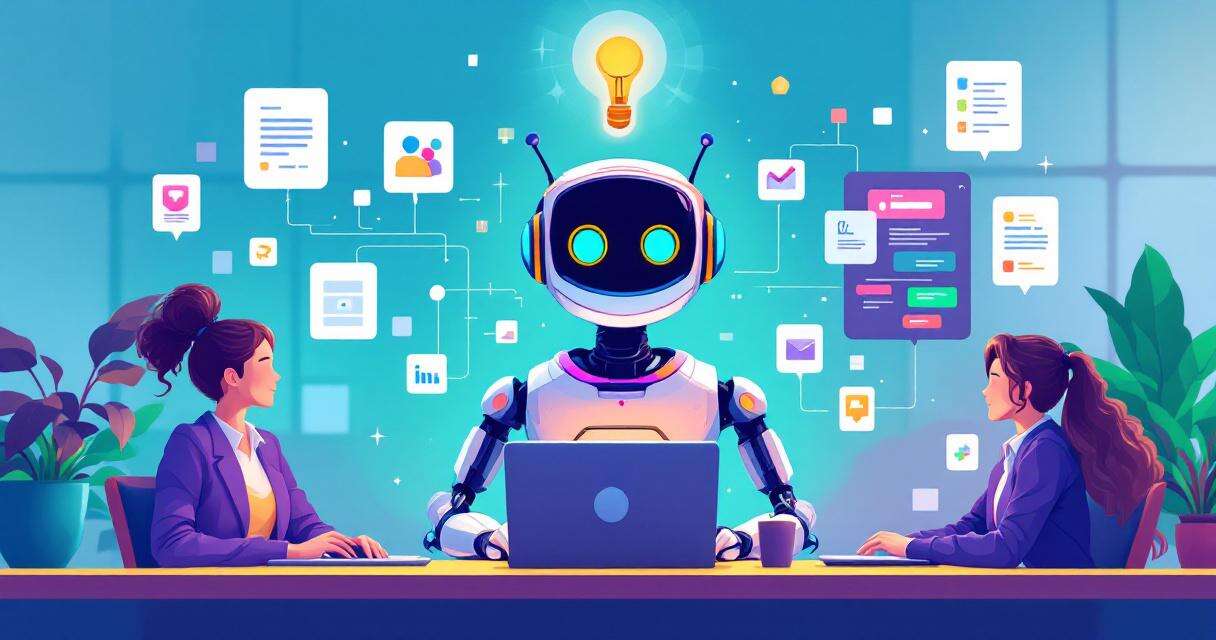
Workspace agents move beyond the single-turn prompt model that defined earlier ChatGPT experiences. Instead of waiting for repeated input, an agent can be configured to follow a multi-step process end to end: pull data from internal files, run code or queries, format outputs, and take actions like drafting messages or triaging requests. Teams describe the desired workflow inside ChatGPT, connect the tools the agent needs, define the steps, and test the flow. Agents can be triggered by schedule or by incoming requests, and they can run autonomously until the task is complete.
How teams share and refine agents
A key shift with workspace agents is that they’re built to be shared across a team rather than owned by a single user. The agents live in a shared workspace that includes files, code, connected apps, and memory, enabling multiple people to use, refine, and iterate on the same system over time. That shared context means an agent can pick up where another teammate left off, and the team can evolve the agent’s behavior as requirements change.
Real-world use cases
OpenAI and early adopters have already identified practical applications: compiling weekly reports, qualifying sales leads, reviewing requests against company policies, and answering employee queries in Slack. In Slack specifically, agents can respond to messages or trigger actions as work arrives, shortening turnaround time and reducing repetitive manual steps. The agents can also be used to aggregate notes, generate summaries, or pre-fill drafts for human review, freeing staff to focus on higher-value decisions.
Controls, oversight, and compliance
Given the increased responsibilities these agents can assume, OpenAI is including administrative controls to govern access and behavior. Teams can set permissions on what tools and data an agent may access and require approvals for sensitive actions such as sending emails or modifying files. Admin dashboards track usage — how often agents run and which systems they touch — and a compliance API exposes agent configurations and activity for auditing. OpenAI has also highlighted privacy work, including an open-source privacy filter intended to limit how data is handled by AI systems.
Relationship to existing GPT tools
Workspace agents evolve earlier team-focused features like ChatGPT Enterprise and custom GPTs, rather than replacing them. Custom GPTs will remain available, and OpenAI plans to let teams convert existing GPTs into agents over time. The agents separate the “harness” — the orchestration and tooling — from the compute that powers the models, enabling workflows that are more integrated with internal systems.
Availability and pricing
OpenAI is releasing workspace agents as a research preview for ChatGPT Business, Enterprise, and education-oriented plans. The company indicated pricing will transition to a credit-based model in May following the preview. For organizations considering adoption, the preview provides a chance to shape configurations and evaluate governance controls before wider rollout.
Why it matters
The move toward shared, always-on agents marks a step from personal productivity tools to collaborative automation embedded in team processes. Many organizational workflows depend on shared context and coordinated handoffs; agents that maintain state, access internal systems, and act on predefined rules could meaningfully reduce delays and mistakes. At the same time, the approach raises familiar questions about access control, auditing, and data privacy — areas OpenAI is addressing with administrative and compliance features.
Looking ahead
As agents become more capable and more tightly integrated with enterprise systems, success will hinge on clear guardrails, good deployment hygiene, and the ability to iterate on agent behavior with human oversight. For teams that get the balance right, shared workspace agents promise faster, more consistent handoffs and fewer repetitive tasks — a practical next step for AI in everyday company operations.
 Licensed under CC BY-ND 4.0 International