
China has seen a rapid, real-world surge of interest in OpenClaw — an open-source AI agent that can run autonomously on personal devices — and that surge has produced a small but booming service economy of installers, preconfigured devices, and paid support. This post summarizes reported facts about how OpenClaw spread, who is profiting, what services are being offered, and
Tag: OpenClaw
When Local Trust Breaks: The OpenClaw 0-Click Vulnerability and What Developers Must Do Now
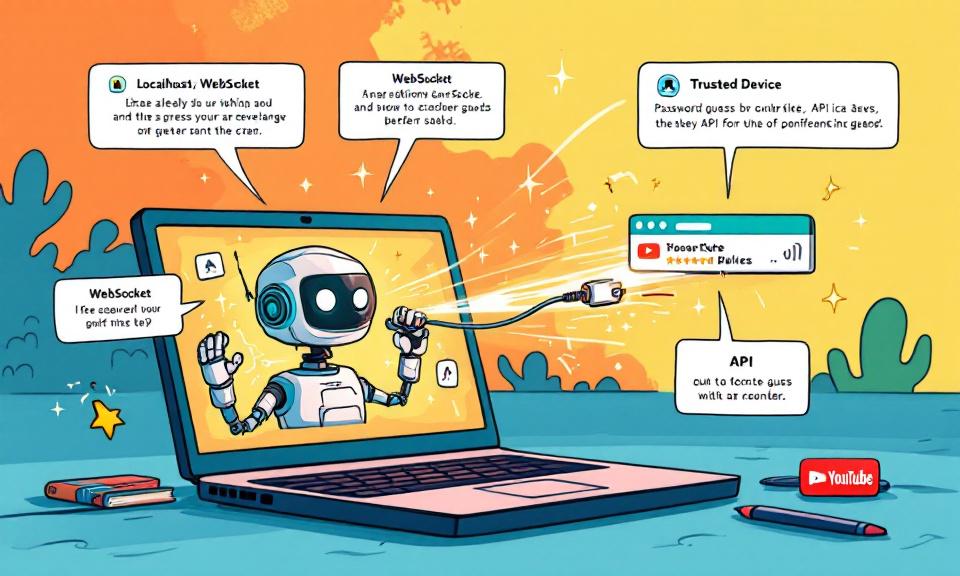
The speed at which developer-facing AI agents have been adopted is staggering — and rapid adoption often outpaces secure design. A recent, high-impact vulnerability in OpenClaw demonstrates how a single innocuous browser visit can be transformed into a full agent takeover. For developers and security teams, this is a reminder that conveniences like “localhost-first” assumptions carry real risk. This post
When AI Agents Overload the Cloud: What Happened with Google’s Antigravity and Third-Party Wrappers

Google recently moved to suspend a number of customer accounts after heavy autonomous usage of its Antigravity agent development backend and Gemini services was observed when those services were used through third‑party agent wrappers such as OpenClaw and OpenCode. The suspensions—reported to affect customers from high‑spend AI Ultra subscribers to smaller accounts—have raised immediate concerns among developers who say they
OpenClaw 2026.2.23 — Security-First Upgrade Meets Expanded Multi‑Model AI Support
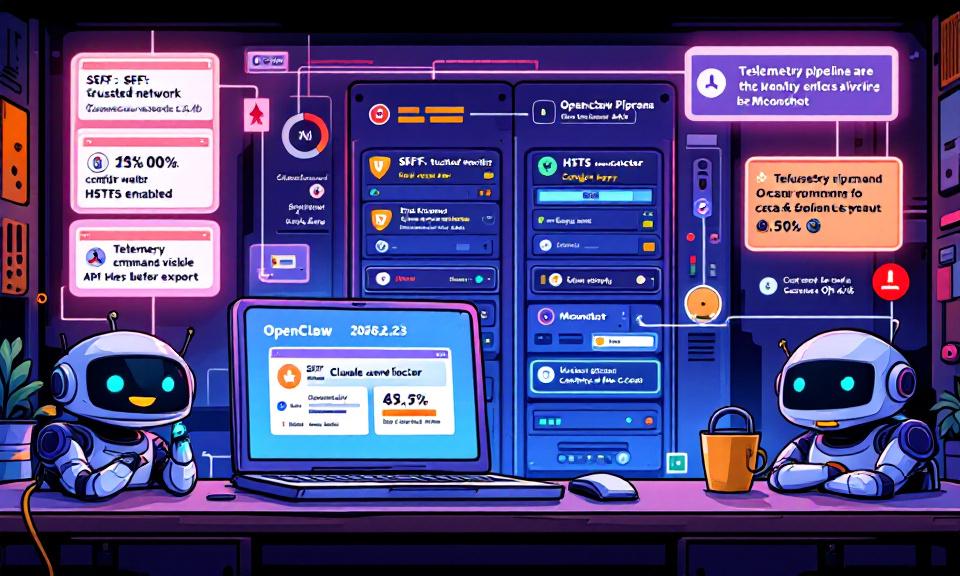
OpenClaw’s 2026.2.23 release is one of those updates that signals the project maturing from a fast-moving, feature-first AI assistant into a hardened platform ready for production gateways and privacy-conscious deployments. Tagged by steipete and contributed to by dozens of maintainers, this version balances pragmatic security hardening with meaningful AI improvements: support for Claude Opus 4.6 via the Kilo gateway, improved