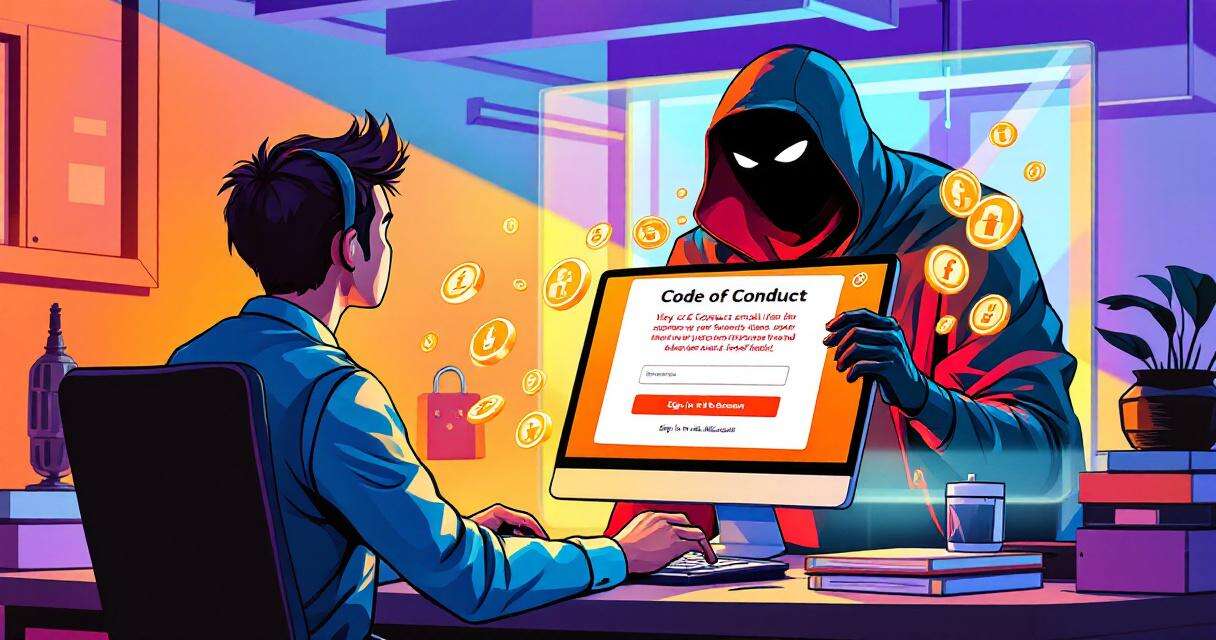
Phishing has evolved from crude scams to carefully engineered deceptions that mimic trusted internal processes. In mid‑April 2026, Microsoft Defender Research observed a large, multi‑stage campaign that did exactly that: it masqueraded as internal “code of conduct” notifications, used polished templates and legitimate delivery services, and funneled victims through a sequence of CAPTCHA and staging pages that ultimately proxied real
Tag: Phishing
Hackers Leverage Microsoft Teams to Breach Organizations: Inside UNC6692’s SNOW Campaign
In late 2025 and into early 2026, a sophisticated intrusion campaign used the everyday familiarity of Microsoft Teams to turn routine collaboration into a direct route for enterprise compromise. By posing as IT helpdesk staff and exploiting users’ trust in external Teams invitations, the threat group tracked as UNC6692 moved from a simple chat message to full domain-level access—without exploiting
New RDP Alert After April 2026 Security Update Warns of Unknown Connections
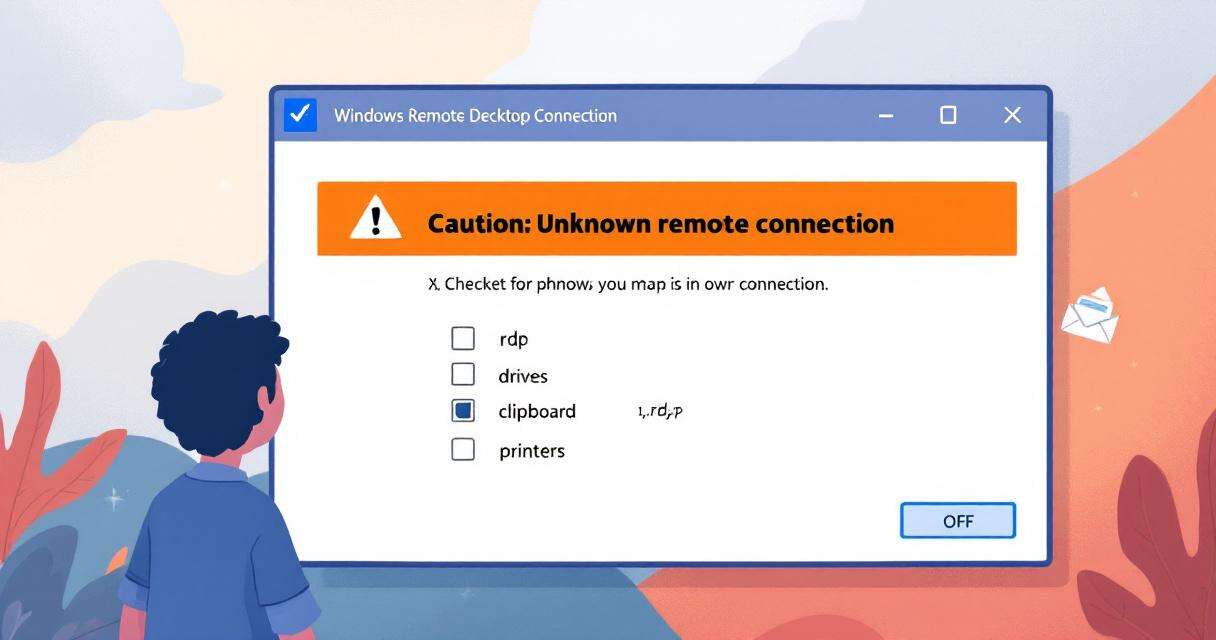
Microsoft’s April 2026 Patch Tuesday introduced a small-looking but important change to how Windows handles Remote Desktop (.rdp) files. What used to be a silent, one-click experience can now surface clear warnings about unknown connections and requested local resource access, closing an easy door attackers have been exploiting for phishing and session hijacking. For organizations and individual users alike, the
AI as Tradecraft: How Threat Actors Operationalize Artificial Intelligence
Organizations are facing a subtle but powerful shift: adversaries are not inventing wholly new attacks so much as adopting artificial intelligence to make existing tradecraft faster, cheaper, and more resilient. Microsoft’s threat intelligence and other industry observers show that generative AI is being embedded across the attack lifecycle to accelerate reconnaissance, scale social engineering, and shorten the time between detection