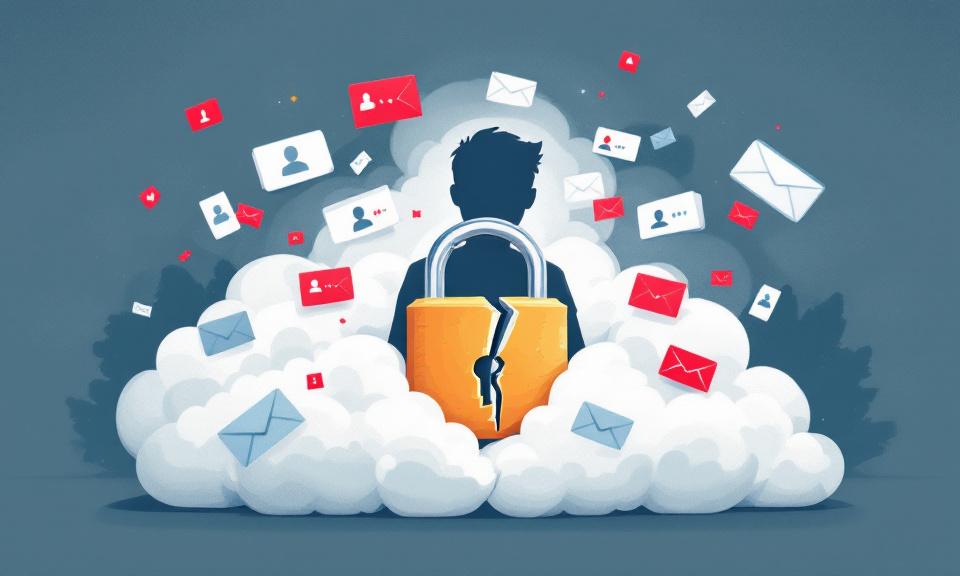
Aura, the consumer digital safety company known for identity protection and fraud monitoring, recently confirmed a data breach that exposed nearly 900,000 marketing contacts. What seems like a single shocking number actually reveals deeper problems: legacy data inherited through acquisitions, the continued effectiveness of social-engineering attacks, and the tricky line between marketing lists and active customer records. This incident is a useful case study in why even security-focused companies must treat historical and non-core datasets with the same care as primary customer systems.
What happened
Aura says an unauthorized actor gained access to a marketing database after a successful voice phishing (vishing) attack against an employee. The compromised information came from a marketing tool that Aura inherited when it acquired another company in 2021. The leaked dataset reportedly included full names, email addresses, home addresses, and phone numbers. Aura emphasized that highly sensitive elements—Social Security numbers, account passwords, and financial information—were not part of the exposed records.
The threat actor and the leak
A group known as ShinyHunters claimed responsibility and posted files they said contained PII and corporate data. Independent services like Have I Been Pwned (HIBP) analyzed the leaks and incorporated the exposed email addresses into their database, noting that a large share of addresses had already appeared in earlier incidents. HIBP also reported additional exposed artifacts, such as customer service comments and IP addresses, which amplify the utility of the data for future targeted attacks.
Why the numbers can be confusing
The headline figure—about 900,000—feels alarming, and for good reason. But the composition of that number matters. Aura explains the dataset included marketing contacts accumulated over time and inherited through acquisition, while the number of affected active Aura customers was much smaller (tens of thousands). Third-party tallies like HIBP’s may differ because they count unique email addresses and earlier leaks, whereas Aura’s internal accounting includes contextual filters and legacy data that the company treats differently. Recognizing this distinction helps stakeholders assess the real operational risk versus the reputational impact of a large-sounding total.
Immediate response by Aura
Aura says it launched an internal investigation with external cybersecurity partners and notified law enforcement. The company also indicated it will send personalized notifications to those affected. Aura declined to comment further on some assertions from the threat actor, including claims about other systems being compromised. Transparency about what was and wasn’t exposed — while protecting investigative integrity — remains a delicate balance for the company as it communicates with customers and regulators.
What this means for individuals
Because critical credentials and financial information were reportedly not in the leaked files, the immediate technical risk of direct financial loss may be lower. However, the exposed names and contact details increase the threat of more convincing phishing and social-engineering attempts. If your details are in the leak, take these steps:
- Check Have I Been Pwned or other breach-check services to see if your email appears.
- Be especially cautious with unexpected calls, texts, or emails that reference personal details.
- Enable multi-factor authentication (MFA) on important accounts.
- Monitor bank and credit statements for unusual activity and consider a fraud alert if you see signs of identity misuse.
Organizational lessons from Aura’s breach
The Aura incident highlights several recurring organizational risks:
- Data inheritance: Mergers and acquisitions often bring legacy marketing lists and tools that may not align with current security controls. Pre-acquisition security due diligence and post-acquisition data audits can help reduce this risk.
- Human vectors remain potent: Vishing and other social-engineering techniques are consistently effective. Comprehensive security programs need both technical controls and realistic, ongoing employee training and verification procedures.
- Vendor and tool governance: Marketing platforms and third-party services extend the enterprise attack surface. Contracts, audits, and strict access controls are essential.
- Incident communication: Clear, timely notifications to affected parties and regulators are critical to preserve trust and help individuals take protective action.
Practical steps to reduce similar risks
Organizations should turn incidents into improvement roadmaps:
- Map and classify all datasets, including marketing and legacy archives, so that risk assessments are comprehensive.
- Enforce data minimization: purge outdated marketing lists and only retain data that has a clear business purpose.
- Tighten employee verification processes for any request that could result in data exports or account changes.
- Make security part of M&A lifecycle: require remediation and secure migration of legacy systems.
- Deploy anomaly detection and robust logging to detect unusual access patterns early.
Conclusion
Aura’s breach is a reminder that a company’s business focus — even when it’s security services — does not make it immune to human-targeted attacks or vulnerabilities embedded in inherited systems. For individuals, the breach serves as a prompt to be vigilant against enhanced phishing risks. For organizations, it underscores the importance of treating legacy marketing data with the same rigor as core customer records, strengthening human-verification processes, and integrating security into every stage of acquisition and vendor management. In the end, protecting data requires attention to both technology and the people who use it.
 Licensed under CC BY-ND 4.0 International

Attackers Exploit SharePoint Authentication Bypass After Public PoC Release
Microsoft’s SharePoint platform is facing active exploitation following the public release of…
Akira Ransomware Uses Windows Safe Mode to Shut Down EDR Before Launching Encryptor
Akira’s latest tactics expand the ransomware playbook: instead of relying solely on…

2.86 Billion Credentials Flood Criminal Markets — How Infostealers and Initial-Access Brokers Are Reshaping Risk
Stolen login data has become a commodity so abundant that it’s now…

Hackers Leverage Microsoft Teams to Breach Organizations: Inside UNC6692’s SNOW Campaign
In late 2025 and into early 2026, a sophisticated intrusion campaign used…