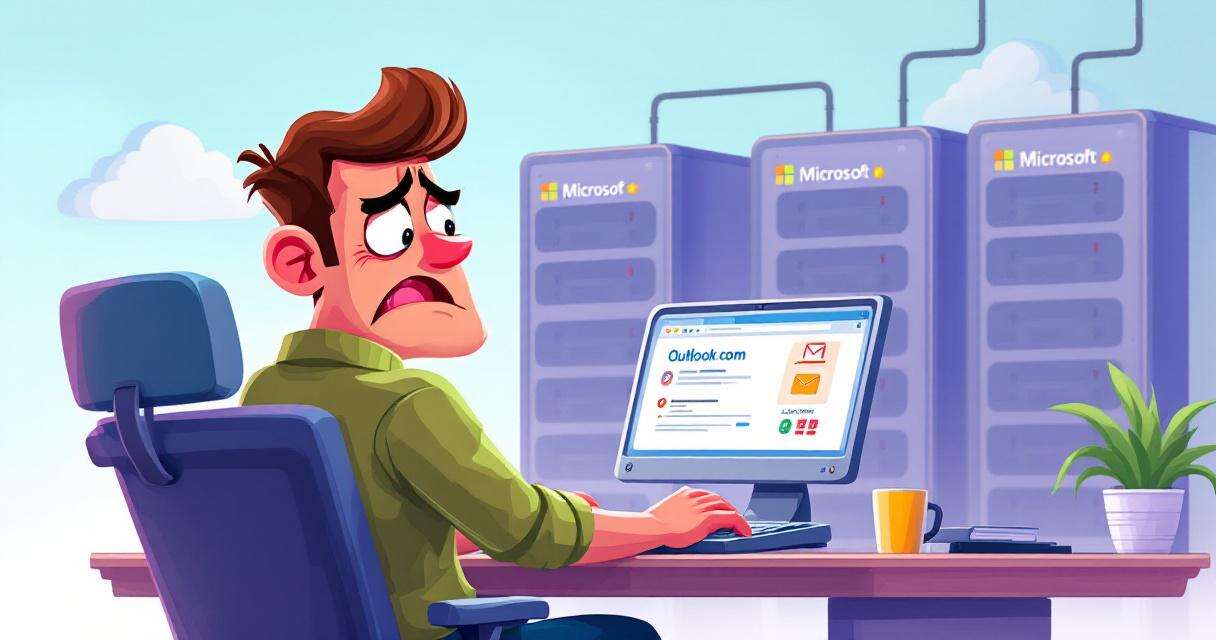
On April 27, 2026, Microsoft acknowledged a service degradation affecting Outlook.com after users across multiple regions reported problems accessing their inboxes. The company’s Microsoft 365 Status account on X confirmed intermittent issues, and Microsoft’s service health dashboard classified the incident as a “Service Degradation” rather than a full outage. For many organizations and individual users, the disruption meant delayed email
Author: Saugata Datta
I’m an IT/DevOps professional with many years of hands-on experience across Windows, Linux, Automation, Backup and Cloud. I love building real-world automations to make infrastructure reliable, secure, and self-healing. Through this blog, I share practical learnings from enterprise projects and my home-lab experiments on Cloudflare, Self-Hosting and everything in between. Always tinkering, always improving.
Keeping Pace with the OpenAI API Changelog: What Developers Need to Know
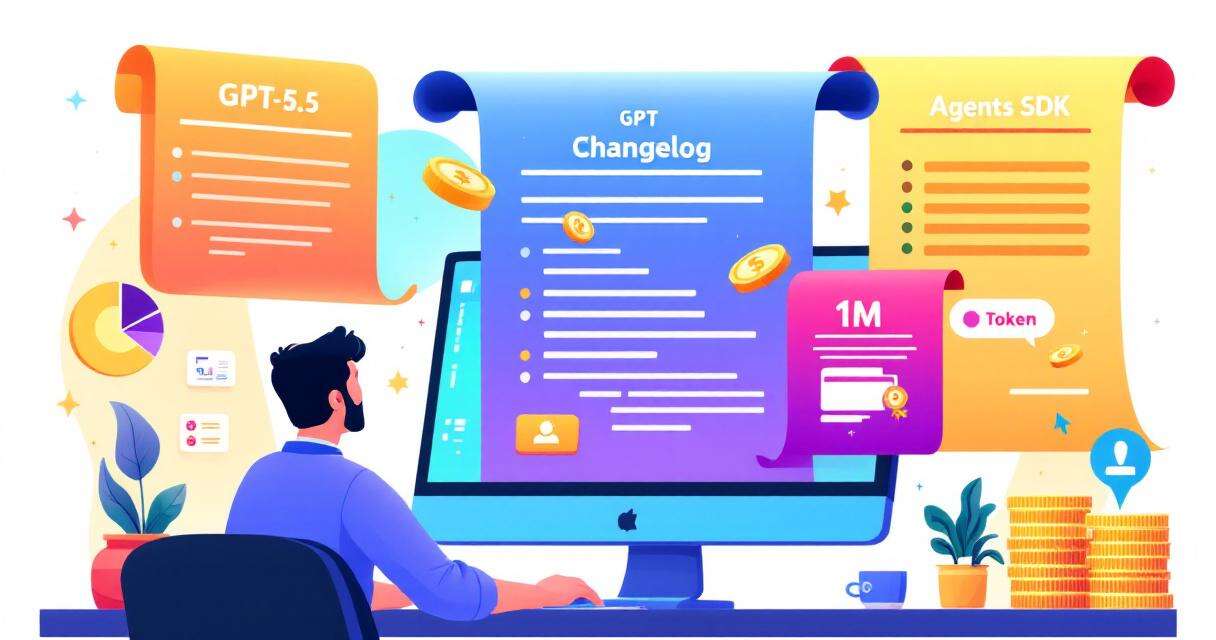
The OpenAI API changelog is more than a list of dates and bullet points — it’s a running record of capabilities, fixes, and platform-level decisions that shape how you design, test, and operate integrations. Skimming it every few days can turn surprise breakages into planned migrations, and opportunistic features into competitive advantages. This post walks through recent highlights from the
Google’s Big Bet: Up to $40 Billion Headed to Anthropic

Google is preparing to invest a headline-grabbing sum in Anthropic — at least $10 billion, with the potential to rise to $40 billion if the startup meets certain performance milestones. The deal follows a recent $5 billion commitment from Amazon and collectively values Anthropic at roughly $350 billion. This funding round underscores how hyperscalers are using capital, cloud services, and
Anthropic’s Project Deal: Claude AI Agents Close 186 Deals and Reveal Market Asymmetries
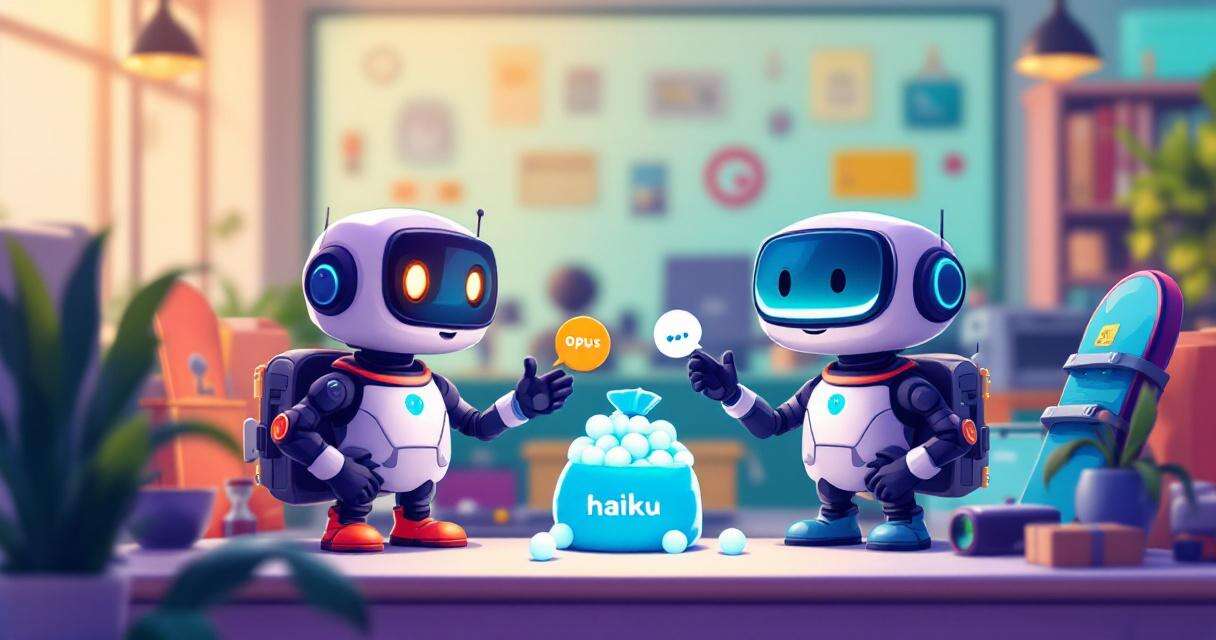
When Anthropic turned its San Francisco office into a live, classified marketplace in December 2025, it wasn’t testing a new website so much as an idea: could autonomous Claude AI agents not only list items but negotiate and close real, multi-turn deals with zero human intervention? The answer, in the company’s “Project Deal” experiment, was a clear yes — and
PhantomRPC: New Windows RPC Vulnerability Lets Attackers Escalate Privileges Across All Windows Versions
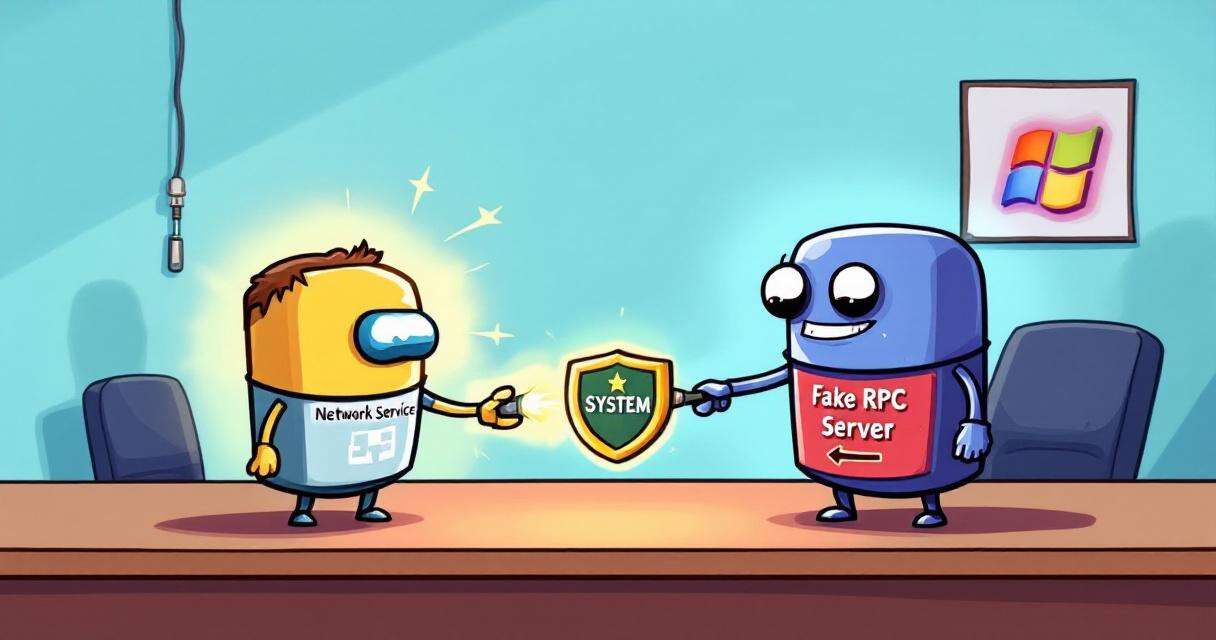
PhantomRPC is an architectural weakness in the Windows Remote Procedure Call (RPC) runtime that allows low-privileged processes to escalate to SYSTEM or Administrator by impersonating privileged clients. Disclosed by Kaspersky’s Haidar Kabibo at Black Hat Asia 2026, the flaw stems from how rpcrt4.dll handles connections to unavailable RPC servers: when a privileged process attempts an RPC call to a server
Pastebin-Hosted PowerShell Script Hijacks Telegram Sessions: What Happened and How to Respond
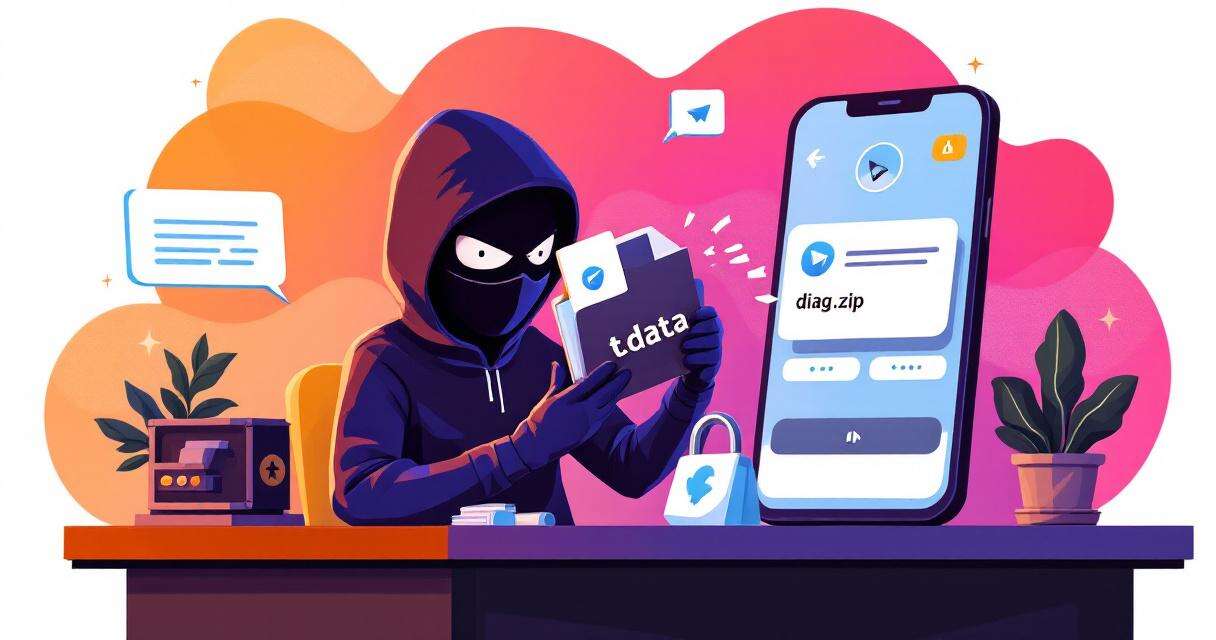
Security researchers recently uncovered a PowerShell script posted on Pastebin that was purpose-built to steal Telegram session data from both desktop and web clients. Masquerading as a benign “Windows Telemetry Update,” the script quietly collects host metadata, locates Telegram session stores, compresses them into an archive, and exfiltrates the file to an attacker-controlled Telegram bot. The discovery is notable less