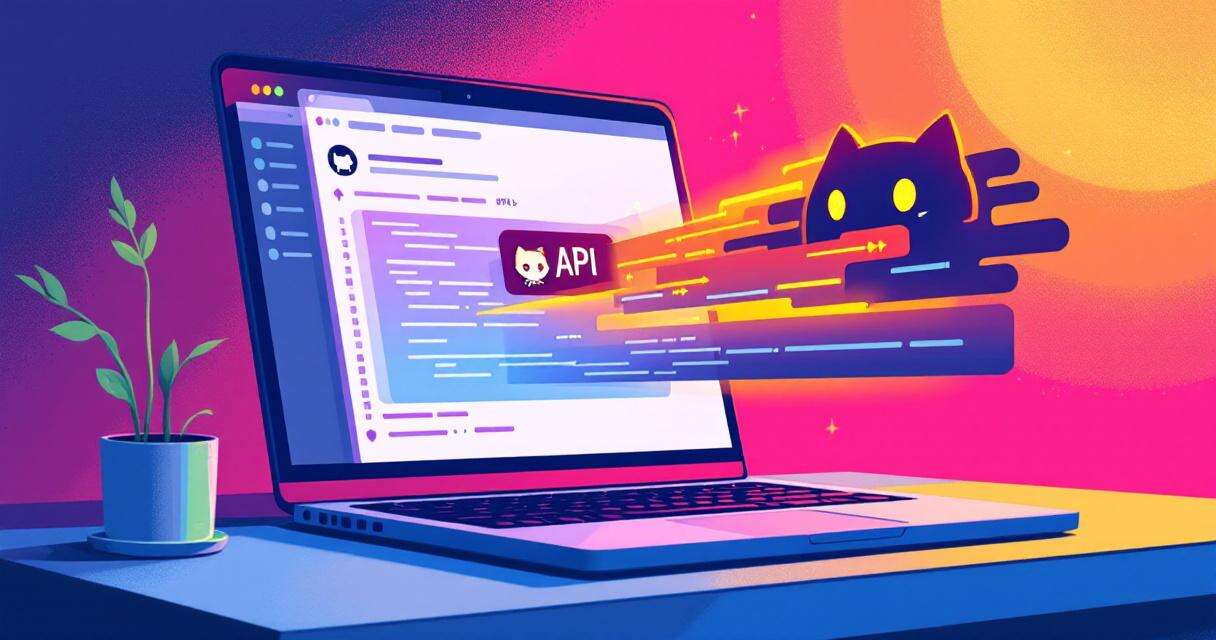
A new class of prompt-injection attacks—dubbed “Comment and Control”—turns GitHub pull requests, issues, and comments into attack surfaces that can hijack AI coding agents and siphon secrets directly from CI/CD environments. Unlike classic prompt injection that waits for a user to feed a document to an agent, this pattern is proactive: opening a PR or posting an issue can automatically
Category: AI Agents and Frameworks
AutoGPT, BabyAGI, CrewAI, AutoGen, LangChain, LangGraph, LlamaIndex, Semantic Kernel, Devin, OpenDevin, Open Interpreter, AgentGPT, DSPy, Haystack, AI agent, agentic workflow, multi-agent, RAG, retrieval augmented generation, vector database, embeddings, fine-tuning, prompt engineering, LLM, large language model, Agentic
Anthropic’s Mythos and the New Era of AI-Accelerated Cyber Risk

Anthropic’s new Mythos model has crystallized a fear many in security have quietly harbored: advanced, cyber-focused AI can find software flaws faster than people and, in some cases, generate the exact exploits to weaponize them. That capability promises major defensive benefits—accelerating the discovery and remediation of long-hidden vulnerabilities—but it also hands would-be attackers automated, scalable tools that could outpace the
Building an AI Coding Tool Stack for Modern Development
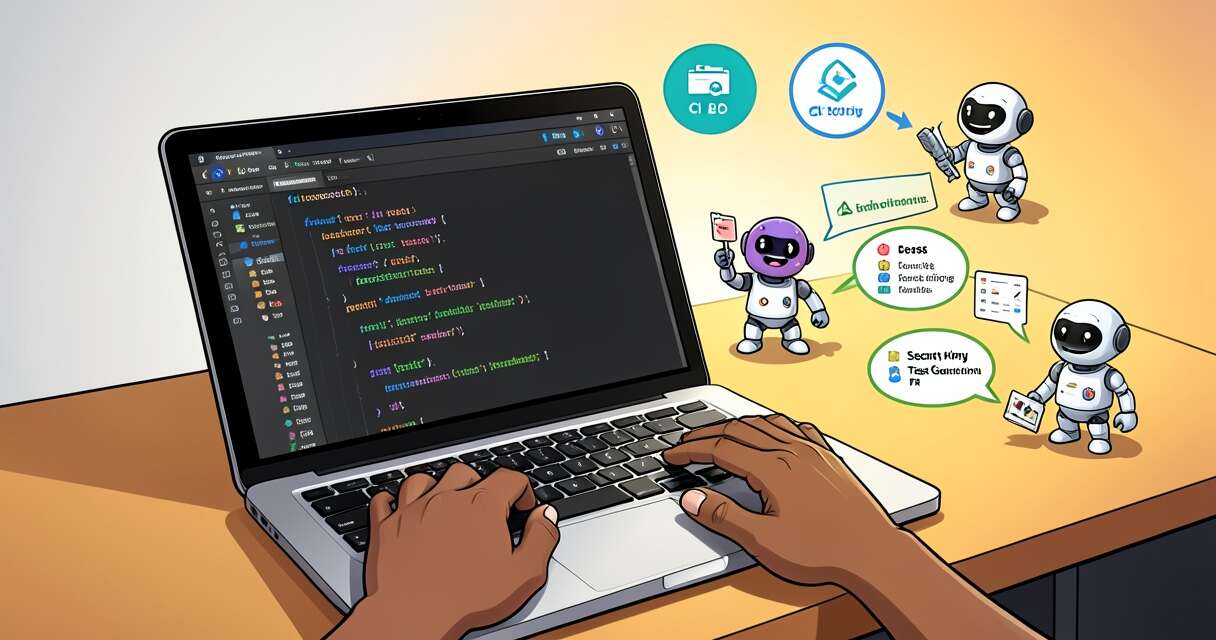
The past few years have quietly transformed how software is written. AI-assisted tools are no longer experimental add-ons; they’re becoming integral parts of developer workflows. But picking the right combination of models, integrations, and guardrails is more art than science. This article walks through a pragmatic approach to assembling an AI coding tool stack that improves productivity without sacrificing code
Inside the Claude Code Leak: What Anthropic’s Accidental Release Reveals
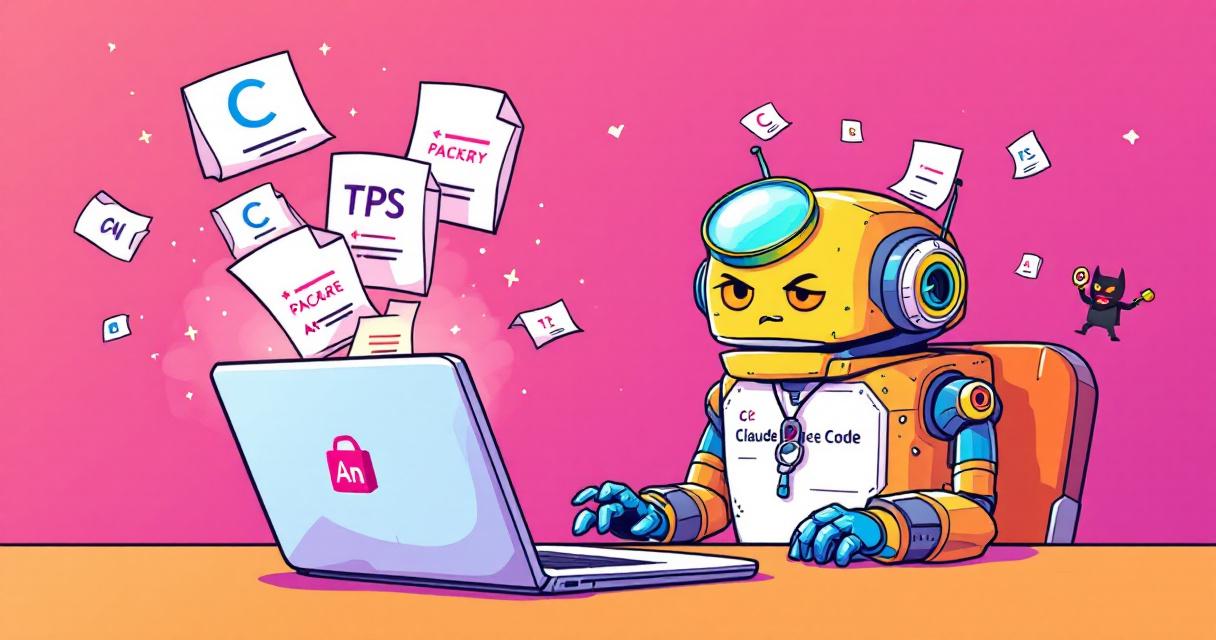
Anthropic, the AI company behind the Claude family of agents, suffered an unexpected exposure that rippled across the developer community and the wider AI market. Earlier today, a sizable JavaScript source map file—bundled with a public npm release—made internal implementation details of Claude Code visible to anyone who downloaded it. What began as a packaging mistake quickly became a public
Arm AGI CPU: Re-centering the CPU for the Agentic AI Era
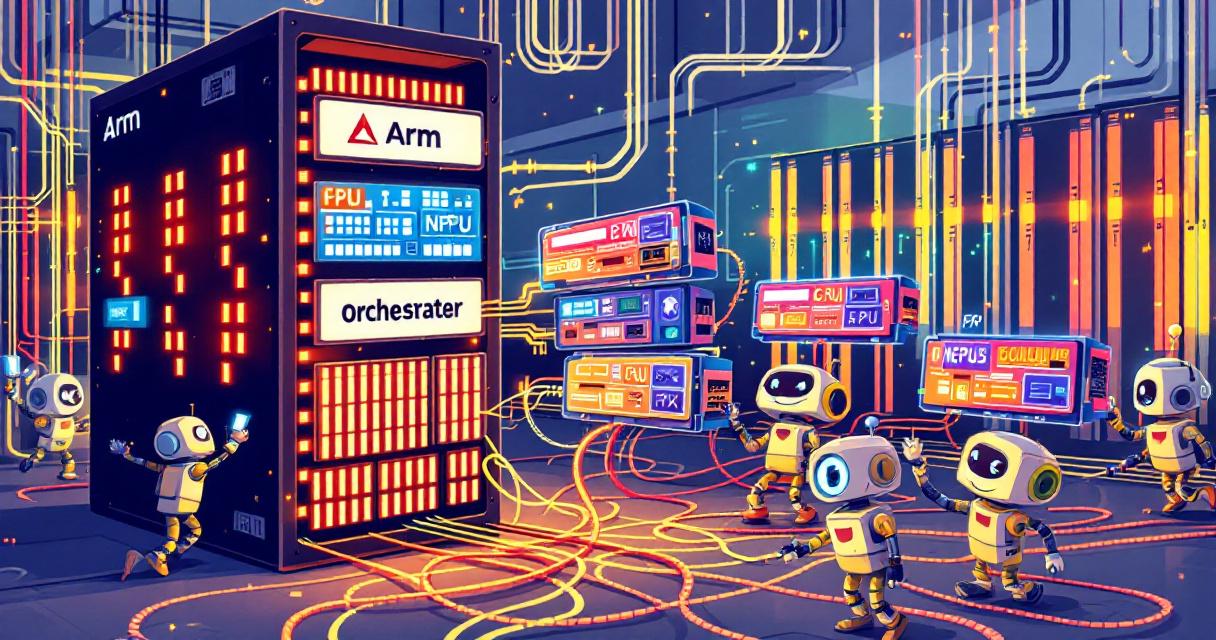
OpenAI, Google, Meta—these names dominate headlines when we talk about large models and generative AI. But as AI moves from isolated model demos to always-on systems coordinating tasks at global scale, another player is making a decisive move: Arm. On March 24, 2026, Arm unveiled the Arm AGI CPU, a purpose-built silicon offering intended to be the rack-scale foundation for
AI as Tradecraft: How Threat Actors Operationalize Artificial Intelligence

Organizations are facing a subtle but powerful shift: adversaries are not inventing wholly new attacks so much as adopting artificial intelligence to make existing tradecraft faster, cheaper, and more resilient. Microsoft’s threat intelligence and other industry observers show that generative AI is being embedded across the attack lifecycle to accelerate reconnaissance, scale social engineering, and shorten the time between detection