Category

Data Breach

Data Breach, data breach alert, data leak, data leakage, security incident, breach investigation, breach response, credential leak, personal data exposure, data theft, leaked database, exposed records, account compromise, password leak, corporate data breach, remote code execution, cyber espionage

Page 4
Anthropic’s Claude Leak: 8,000 Takedown Requests After an Accidental Source-Code Exposure

Anthropic’s Claude Leak: 8,000 Takedown Requests After an Accidental Source-Code Exposure

Anthropic has scrambled to contain the fallout after an accidental exposure of the complete source code for its Claude family of AI tools. The company issued roughly 8,000 copyright takedown requests to remove copies and adaptations circulating on code-hosting sites and mirrors, responding to a wave of reposts and forks that appeared within hours of the initial disclosure. Although Anthropic says no customer data or model weights were exposed, the…

Saugata Datta4 min read582
Google Lets You Change Your @gmail.com Address — Here’s How to Do It Safely

Google Lets You Change Your @gmail.com Address — Here’s How to Do It Safely

For more than twenty years, the email address you chose when creating a Google Account was effectively permanent. That meant awkward childhood handles, name changes after marriage, or simply wanting a cleaner, more professional address often required creating a brand-new Google Account and manually migrating data. Google has quietly changed that rule: users with @gmail.com addresses can now replace their existing username with a new @gmail.com handle while keeping the…

Saugata Datta4 min read519
Inside the Claude Code Leak: What Anthropic’s Accidental Release Reveals

Inside the Claude Code Leak: What Anthropic’s Accidental Release Reveals

Anthropic, the AI company behind the Claude family of agents, suffered an unexpected exposure that rippled across the developer community and the wider AI market. Earlier today, a sizable JavaScript source map file—bundled with a public npm release—made internal implementation details of Claude Code visible to anyone who downloaded it. What began as a packaging mistake quickly became a public forensic exercise: researchers mirrored a half-million-line TypeScript codebase, poring over…

Saugata Datta5 min read409
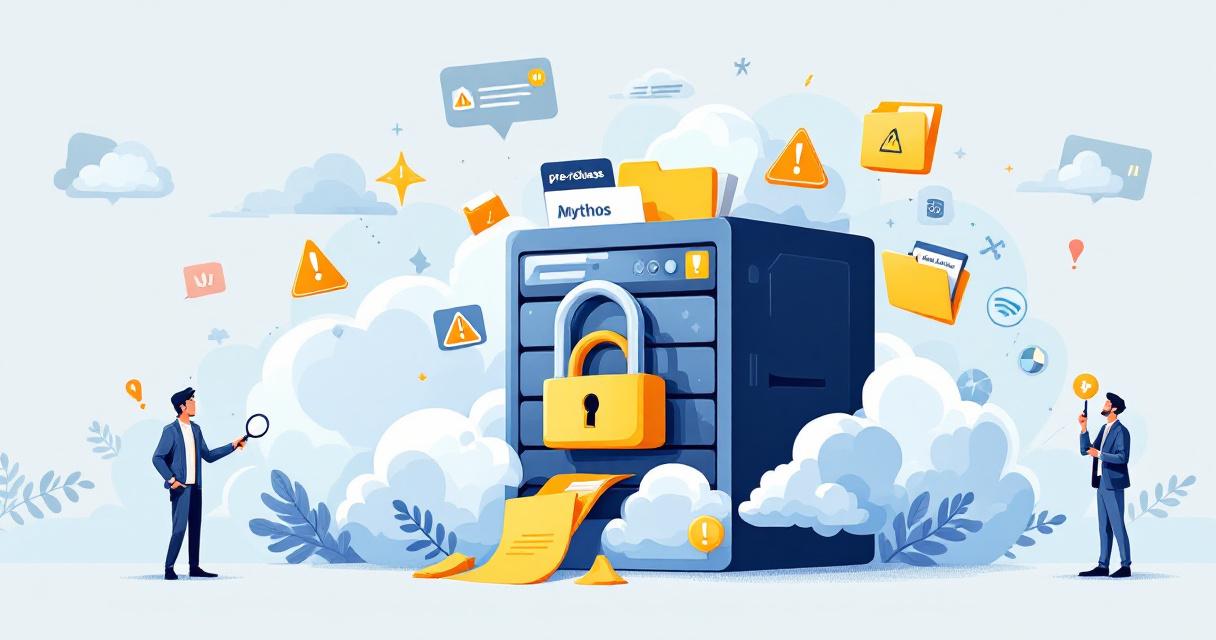
Anthropic’s Claude Mythos Leak: When Pre-Release Secrets Meet Cybersecurity Risk

Anthropic’s Claude Mythos Leak: When Pre-Release Secrets Meet Cybersecurity Risk

Anthropic recently found itself at the center of an avoidable but consequential security incident: leaked internal drafts revealing the existence of an unreleased, high-capability model called "Claude Mythos." The exposure—rooted in an unsecured, publicly searchable data cache—pulled back the curtain on product plans, internal risk assessments, and even references to an exclusive executive event. For organizations building powerful AI, the episode is a sharp reminder that operational security and model…

Saugata Datta4 min read617
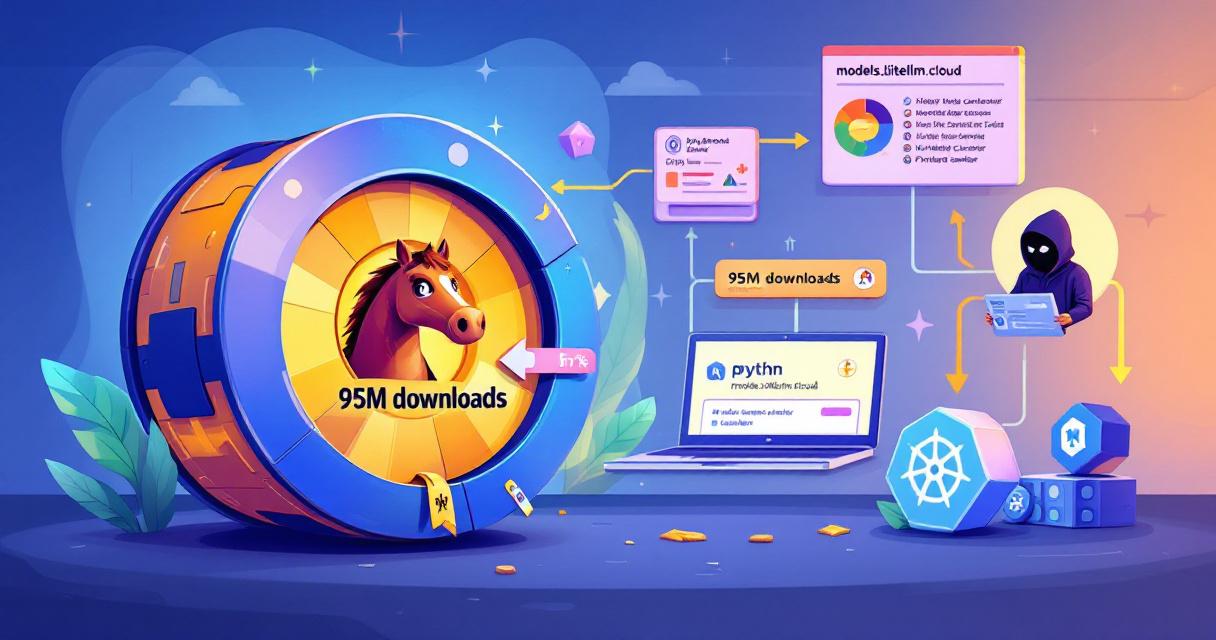
LiteLLM Supply Chain Breach — 95M Downloads, Import-Time Backdoor, and What Teams Must Do Now

LiteLLM Supply Chain Breach — 95M Downloads, Import-Time Backdoor, and What Teams Must Do Now

The Python package ecosystem suffered another high-impact supply chain compromise: LiteLLM — a popular library that routes requests across large language model providers and sees tens of millions of downloads — shipped malicious code in recent PyPI releases. Two versions published on March 24, 2026 (1.82.7 and 1.82.8) contained an import‑time backdoor that escalates into credential harvesting, lateral movement, and a persistent remote access implant. For organizations that consume open-source…

Saugata Datta5 min read535
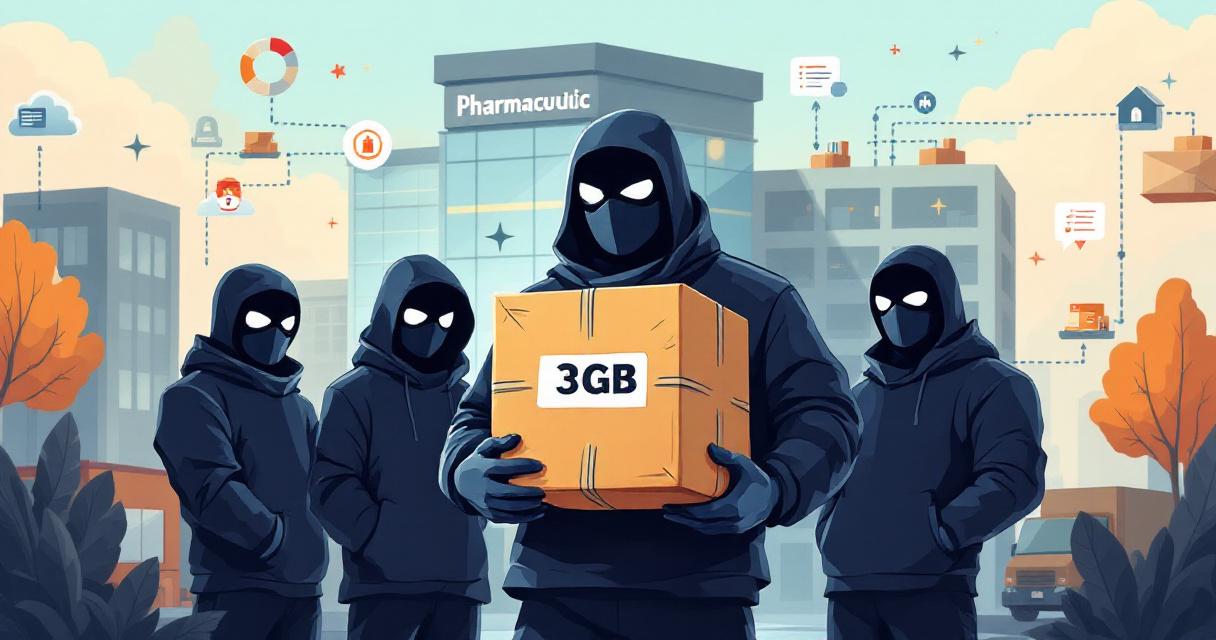
AstraZeneca Allegedly Targeted by LAPSUS$ — Claims of a 3GB Internal Data Dump

AstraZeneca Allegedly Targeted by LAPSUS$ — Claims of a 3GB Internal Data Dump

A known hacking collective identifying as LAPSUS$ has posted claims that it obtained and is attempting to sell a 3GB .tar.gz archive allegedly containing AstraZeneca internal data. As of the reports dated March 20, 2026, AstraZeneca had not issued a public statement confirming or denying the claim. What the threat actors presented The actors published teasers and screenshots on breach forums and offered password-protected paste samples as proof. They reportedly…

Saugata Datta2 min read621
What the Marquis Breach Teaches Us About Vendor Risk and Ransomware Preparedness

What the Marquis Breach Teaches Us About Vendor Risk and Ransomware Preparedness

Marquis, a Texas-based provider of digital marketing, CRM and analytics services for hundreds of financial institutions, disclosed a major security incident tied to a mid‑2025 ransomware attack that ultimately exposed the personal information of more than 672,000 people. The story is less about a single failure and more about how a cascade of weaknesses—an exploited firewall, third‑party exposure, and slow discovery—can amplify harm across an industry that relies heavily on…

Saugata Datta3 min read450
Aura Exposed: When 900,000 Marketing Contacts Turned Into a Security Crisis

Aura Exposed: When 900,000 Marketing Contacts Turned Into a Security Crisis

Aura, the consumer digital safety company known for identity protection and fraud monitoring, recently confirmed a data breach that exposed nearly 900,000 marketing contacts. What seems like a single shocking number actually reveals deeper problems: legacy data inherited through acquisitions, the continued effectiveness of social-engineering attacks, and the tricky line between marketing lists and active customer records. This incident is a useful case study in why even security-focused companies must…

Saugata Datta4 min read722
Stryker Confirms Massive Wiper Strike — Thousands of Devices Erased in Alleged Iran-Linked Operation

Stryker Confirms Massive Wiper Strike — Thousands of Devices Erased in Alleged Iran-Linked Operation

Stryker, the global medical technology company, confirmed on March 11, 2026, that it suffered a significant, destructive cyberattack that disabled large parts of its corporate Microsoft environment and resulted in the wiping of thousands of devices. The company characterized the incident as a deliberate data-destruction operation rather than a ransomware extortion scheme, and investigators and security firms have pointed to an Iran-linked threat actor claiming responsibility. What happened Stryker reported…

Saugata Datta4 min read519
Cognizant’s TriZetto Subsidiary Reports Data Breach Affecting 3.4 Million Patients

Cognizant’s TriZetto Subsidiary Reports Data Breach Affecting 3.4 Million Patients

TriZetto Provider Solutions, a healthcare-technology subsidiary of Cognizant, has disclosed a large data breach that exposed the protected health information of 3,433,965 patients. The company classified the incident as an external system hacking event after threat actors gained unauthorized access to TriZetto’s external infrastructure. Timeline and discovery Initial unauthorized access occurred on November 19, 2024. TriZetto did not detect the intrusion until November 28, 2025, meaning the intrusion persisted undetected…

Saugata Datta2 min read774
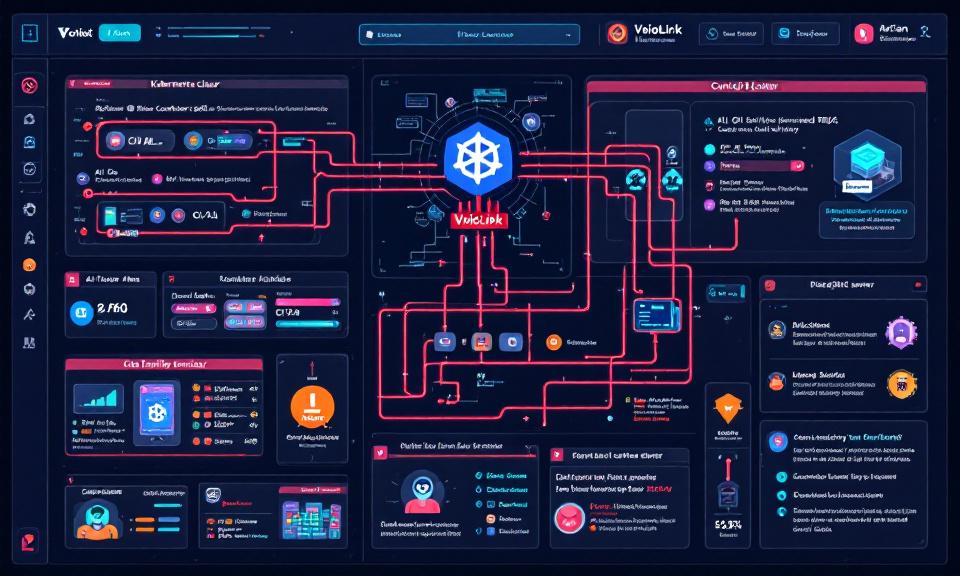
VoidLink Malware Framework: Key Points on How It Targets Kubernetes and AI Workloads

VoidLink Malware Framework: Key Points on How It Targets Kubernetes and AI Workloads

Title: VoidLink Malware Framework: Key Points on How It Targets Kubernetes and AI Workloads Overview VoidLink is a modular malware framework observed targeting cloud-native environments, with emphasis on Kubernetes clusters and AI infrastructure. Goal: persistence, lateral movement, data exfiltration, and abuse of compute (e.g., model theft, crypto-mining, or training/serving misuse). Modularity enables plugins for container escape, kubeconfig harvesting, and targeted abuse of GPU resources. Threat model Targets: misconfigured clusters, exposed…

Saugata Datta4 min read617
When Local Trust Breaks: The OpenClaw 0-Click Vulnerability and What Developers Must Do Now

When Local Trust Breaks: The OpenClaw 0-Click Vulnerability and What Developers Must Do Now

The speed at which developer-facing AI agents have been adopted is staggering — and rapid adoption often outpaces secure design. A recent, high-impact vulnerability in OpenClaw demonstrates how a single innocuous browser visit can be transformed into a full agent takeover. For developers and security teams, this is a reminder that conveniences like “localhost-first” assumptions carry real risk. This post explains the vulnerability in accessible terms, why it matters especially…

Saugata Datta4 min read609
🧰

Free Tools: IP, DNS, SSL

20+ free network and other tools in one place. No signup. Click explore or visit https://technochat.in/tools

Explore