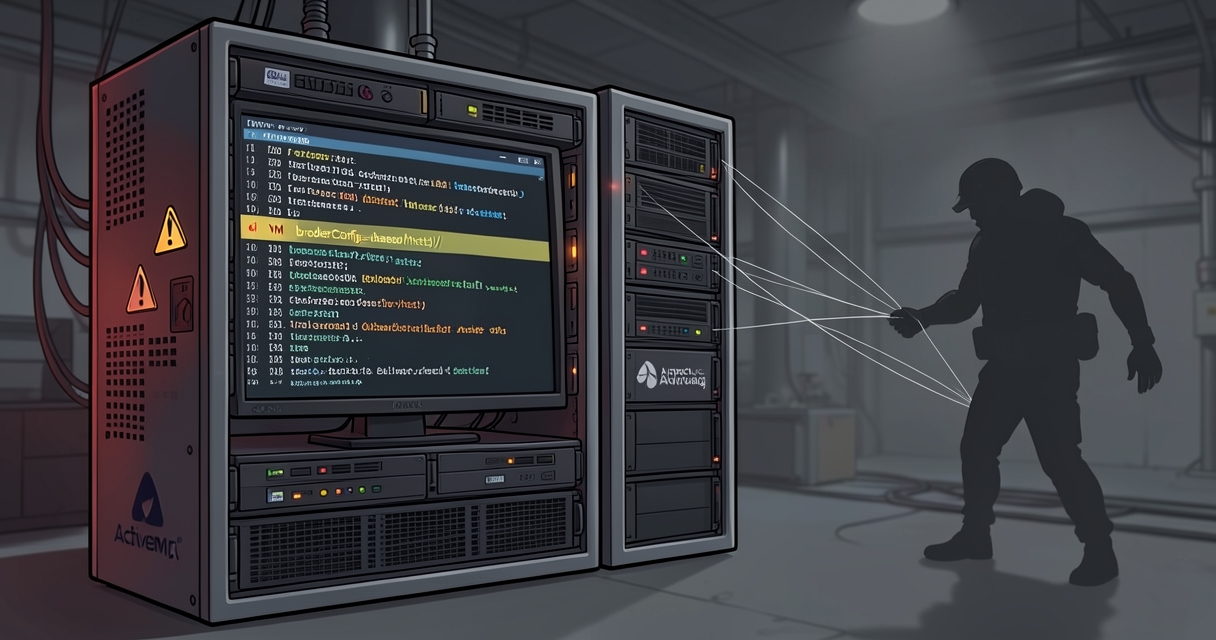
A long-standing flaw in Apache ActiveMQ has resurfaced as a serious concern for administrators. The issue—listed on CISA’s Known Exploited Vulnerabilities (KEV) list under entry 46604—enables unauthenticated remote command execution via the broker port. Although CVE-2026-34197 is not yet reported as being widely exploited in the wild, researchers examining broker logs say there are clear indicators that attackers have attempted
Category: Hacking and Exploits
Web-Hacking, 0-Day, Malware, Ransomware, Exploit, Vulnerabilities, Privilege-Flaw, Privilege-Escalation, Zero-Day, Exploit, Jailbreak, Penetration-Testing, Trojan, Spyware, Rootkit, Worm, Backdoor, Payload, Obfuscation, DDoS, Phishing, MITM, Spoofing, Brute-force, Port-Scan, SQLi, XSS, CSRF, Path-Traversal, LFI, RFI, Insecure-Deserialization, Buffer-Overflow, CVE, Exploit-Kit, Shellcode, bug bounty, ethical hacking, CTF, capture the flag, offensive security, red team exercise, exploit development, reverse engineering, vulnerability research, credential harvesting
Critical RCE in Ninja Forms File Upload Exposes ~50,000 WordPress Sites
A recently disclosed vulnerability in the popular Ninja Forms “File Upload” addon has placed roughly 50,000 WordPress sites at risk of full takeover. Tracked as CVE-2026-0740 and carrying a CVSS score of 9.8, the flaw allows unauthenticated arbitrary file uploads — a straightforward path to remote code execution (RCE) for attackers. Site owners who rely on the affected plugin must
Researcher Publishes Windows Defender 0-Day ‘BlueHammer’ LPE Proof‑of‑Concept
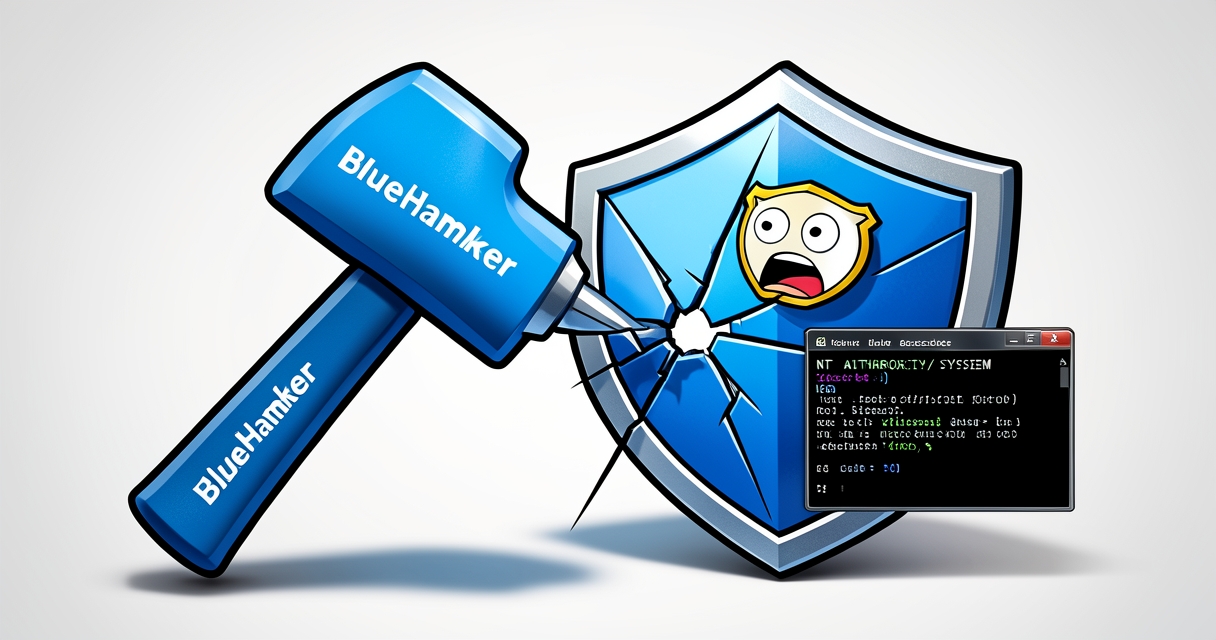
A security researcher using the handle Chaotic Eclipse has publicly released a working proof‑of‑concept for a Windows zero‑day local privilege escalation (LPE) exploit called “BlueHammer.” The disclosure, accompanied by full source code on GitHub, was confirmed as functional by vulnerability researcher Will Dormann and demonstrates that a low‑privileged local user can escalate to NT AUTHORITYSYSTEM on affected machines. The release
Microsoft Links Medusa Ransomware Affiliate to Zero-Day Exploitation Campaign
Microsoft’s recent analysis tying a Medusa ransomware affiliate to a campaign that leveraged zero-day vulnerabilities has put a renewed spotlight on the evolving tactics of extortion groups and the threat posed by previously unknown software flaws. For security teams and executives, the announcement is a reminder that threat actors are combining rapid vulnerability exploitation with tried-and-true ransomware playbooks to increase
PNG parsing flaws in libpng let attackers crash processes, leak data, and risk code execution
Two high-severity vulnerabilities discovered in libpng—the widely used reference library for reading and writing PNG images—create a sweeping risk for any software that parses images. The flaws can trigger process crashes, leak sensitive heap contents, and, on some platforms, enable arbitrary code execution. Because image handling is baked into web applications, server-side processing pipelines, mobile and embedded systems, and desktop
Google Drive turns on AI ransomware detection by default for paying users
Google has moved its AI-powered ransomware detection for Drive out of beta and enabled it by default for paid customers, shifting cloud storage from a passive backup to an active containment point. First trialed in late 2025, the feature now scans files as they sync from desktop endpoints and pauses syncing when ransomware-like encryption is detected, alerting both users and