Prevent Accidental Exposure of Non-Production Power Pages Sites — New Admin Governance Controls (Microsoft Power Platform)

Prevent Accidental Exposure of Non-Production Power Pages Sites — New Admin Governance Controls (Microsoft Power Platform)

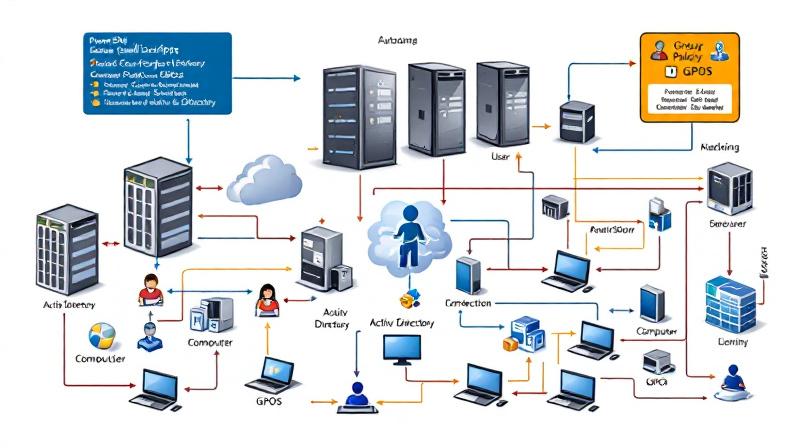
When teams build or test Power Pages sites in trial or developer environments, there’s a risk those unfinished or sensitive sites could be made public by mistake. Microsoft has added a simple governance control in the Power Platform admin center (PPAC) that helps tenant admins prevent non-production sites from being switched to public—giving organizations an easy guardrail while leaving production

Health AI Boom: More Tools Than Ever — Do They Deliver?

Health AI Boom: More Tools Than Ever — Do They Deliver?

AI-powered chatbots and assistants for health are proliferating. In recent months major technology companies have launched or expanded consumer-facing tools that let people ask medical questions, connect health records, or receive triage-style guidance. These products promise greater access to health information, but independent researchers and clinicians warn that rigorous, third‑party evaluation of their safety and effectiveness remains limited. The landscape

What’s New in Microsoft Defender: AI Triage, Predictive Hardening, and Call Monitoring — What IT Teams Should Know

What’s New in Microsoft Defender: AI Triage, Predictive Hardening, and Call Monitoring — What IT Teams Should Know

Microsoft used RSA 2026 to roll out a wave of Defender enhancements that are already changing how security teams detect, investigate, and respond to risk. The announcements bundle intuitive UX changes—like a consolidated identity dashboard—with more consequential shifts: AI-driven triage and automated hardening that can act proactively on predicted attacker movement. These features promise speed and scale, but they also

AI for Nuclear Energy — Powering an Intelligent, Resilient Future

AI for Nuclear Energy — Powering an Intelligent, Resilient Future

The world’s surge in power demand is colliding with an energy infrastructure that was largely designed for an analog age. Meeting that demand with clean, reliable power requires more than ambition; it requires faster, repeatable delivery of complex projects. Nuclear energy is central to that future, but development timelines, fragmented data, and heavy regulatory processes create persistent bottlenecks. Artificial intelligence,