






The idea that artificial intelligence lives only in the cloud or behind a chat window is changing. OpenAI—best known for conversational models that scale across apps and businesses—is reportedly building a family of physical devices, starting with a smart speaker and potentially expanding into smart glasses and even a smart lamp. This move represents a pivotal moment in how AI
Latest Articles

Azure
Attackers Exploit SharePoint Authentication Bypass After Public PoC Release
Microsoft’s SharePoint platform is facing active exploitation following the public release of a proof-of-concept (PoC) for a critical authentication bypass vulnerability tracked as CVE-2026-55040. Patched in July’s Patch Tuesday, the flaw allows unauthenticated actors to impersonate SharePoint users by forging JSON Web Tokens (JWTs). Since the PoC surfaced, security researchers and telemetry providers have observed real-world attempts that underscore the urgency for administrators to apply updates and audit their environments. What happened Microsoft disclosed CVE-2026-55040 as a high-severity authentication feature…
Continue readingSYSTEM at Risk: How a Splunk DLL Search-Order Flaw Lets Local Users Escalate Privileges
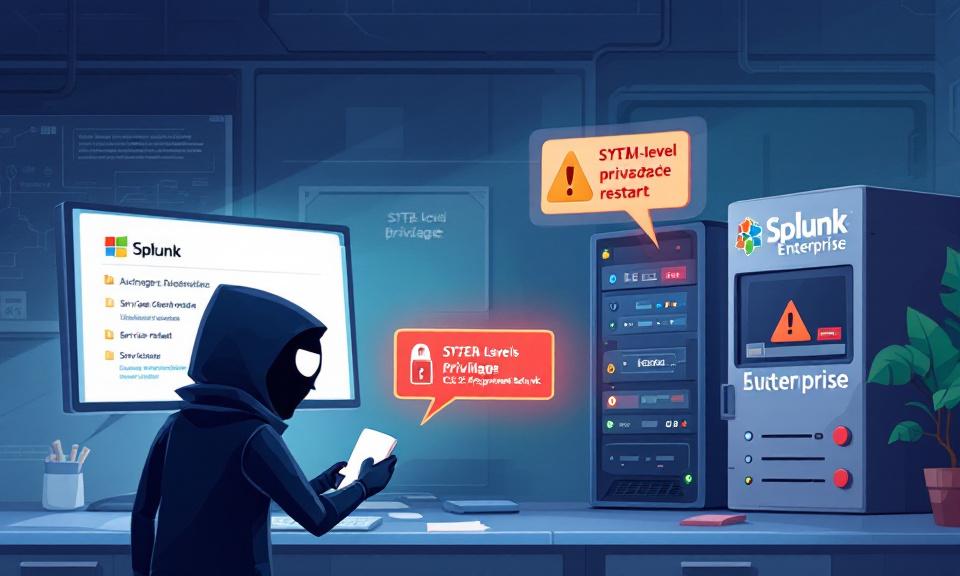
Splunk is a cornerstone of many security and operations teams, trusted to ingest, index, and analyze machine data across the enterprise. That trust makes any vulnerability in Splunk especially consequential. In February 2026 Splunk disclosed a high-severity Windows-specific vulnerability (CVE-2026-20140) that allows a low-privileged local user to perform a DLL search-order hijacking attack and gain SYSTEM-level privileges. The mechanics are
When AI Gets Affordable: Sam Altman’s Forecast and Jio’s ₹10 Trillion Investment

The India AI Impact Summit in Delhi crystallized a striking convergence: a global prediction about rapidly falling AI costs paired with one of India’s largest private investments in the technology. OpenAI’s CEO observed that the expense of obtaining difficult answers from advanced models has plunged by orders of magnitude in just over a year, and he expects further dramatic declines
Code, Capital, and Confidence: Why India Is Poised to Lead the Next Wave of AI
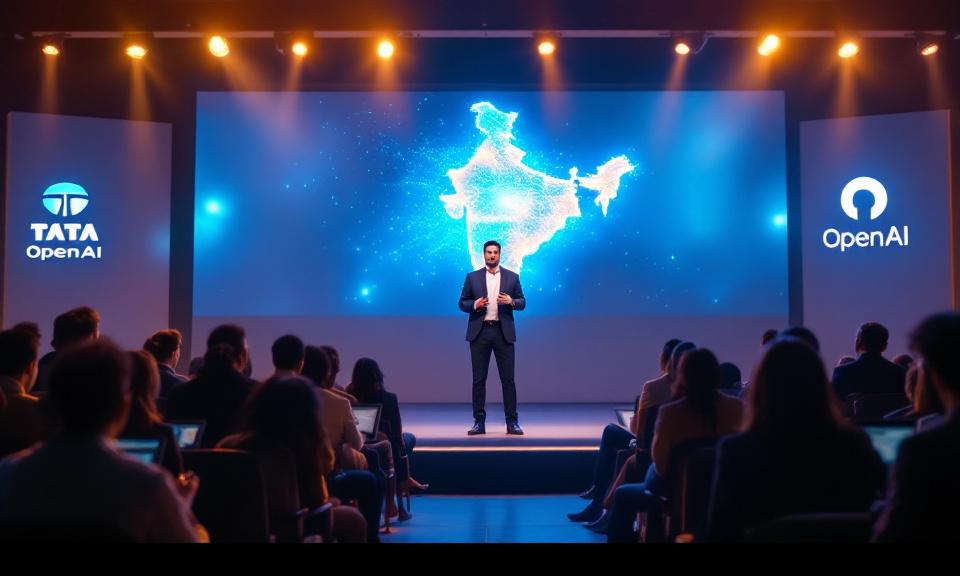
At the India AI Impact Summit, a clear narrative emerged: India is no longer a passive adopter of artificial intelligence but a fast-moving force shaping how the technology will be used and governed. OpenAI’s CEO, speaking to the momentum he observed on the ground, positioned India as a major market and a hub of adoption that could exert outsized influence
OpenAI for India: Building AI Infrastructure, Skills, and Sovereign Capability

Today marks a pivotal moment for India’s AI journey as a major global AI organization launches a country-focused initiative to expand access, build local infrastructure, and accelerate economic and societal benefits. The program aims to pair advanced AI models with domestic partners to meet India’s unique needs: lower latency, data residency, security, and large-scale workforce adoption. A cornerstone of the
Guardian of the Red Team: How Guardian Orchestrates Gemini, GPT-4 and 19 Top Security Tools for Smarter Pentesting
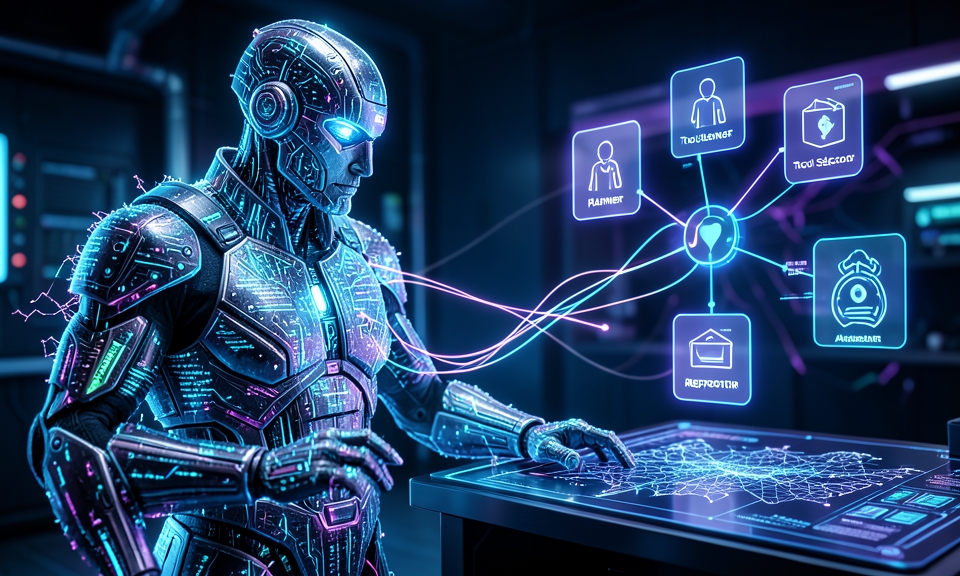
Guardian is an open-source, AI-driven penetration testing framework that leverages multiple large language models to automate intelligent, evidence-backed security assessments. Designed for enterprise use, it combines a multi-agent architecture with a broad toolset to accelerate reconnaissance, triage, and reporting while preserving human oversight. What is Guardian? Guardian is an AI-powered penetration testing automation framework developed by Zakir Kun and available