Good code review is getting harder as teams ship more code. Claude’s new release brings a deeper, multi-agent review system to Claude Code so every pull request can get a careful read. The goal is simple: surface the bugs and edge cases that quick skims miss, while leaving the final approval to human reviewers.
What this release is
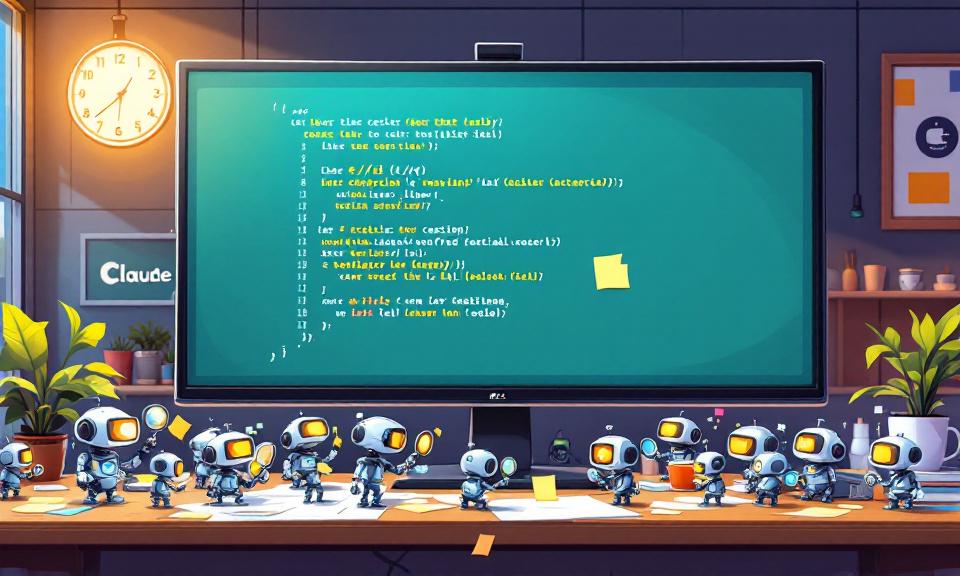
This new release introduces Code Review in research preview for Team and Enterprise plans. It runs a coordinated team of automated agents on each pull request to find bugs, verify findings to reduce false positives, and rank issues by severity. Results appear as a concise overview comment and inline comments on the PR. The tool does not approve or merge PRs — humans still make those decisions.
Why it matters
Engineering teams are producing more code per person, and review capacity hasn’t kept pace. That leads to many PRs getting only quick skims, which increases the chance of shipping regressions. Claude’s multi-agent approach aims to make deeper, reliable reviews routine, helping teams catch subtle problems before merge.
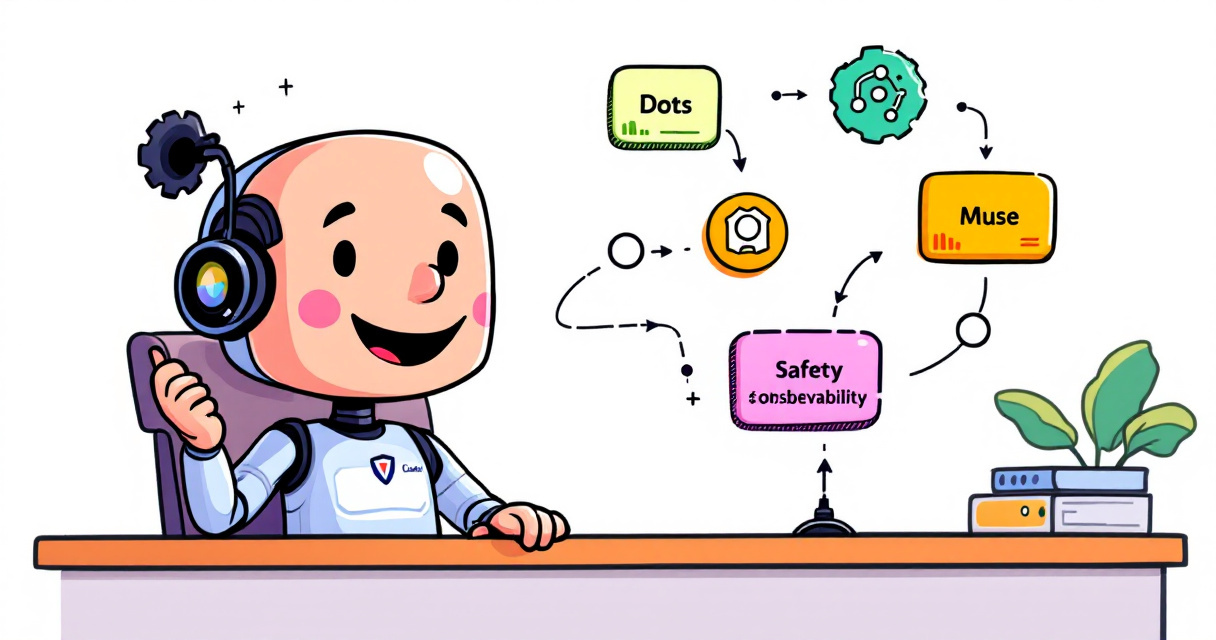
How the multi-agent review works
- Dispatch: When a PR opens, the system dispatches multiple agents to analyze the change.
- Parallel checks: Agents look for different classes of issues at the same time.
- Verification: Agents cross-check findings to filter out likely false positives.
- Prioritization: Issues are ranked by severity so reviewers can triage efficiently.
- Delivery: A single high-signal summary comment plus inline comments for specific lines lands on the PR.
Scaling and performance
Reviews scale with PR size and complexity. Large or complex changes get more agents and a deeper read; small or trivial PRs get a lighter pass. In testing, the average review took around 20 minutes. The system is built to allocate more effort where it’s most valuable.
Real results from internal and early use
Internal use at Anthropic and early customers shows the review system finds meaningful problems:
- The share of PRs receiving substantive review comments rose from about 16% before to roughly 54% after adopting Code Review.
- Large PRs (over 1,000 lines changed) produced findings in 84% of reviews, averaging 7.5 issues.
- Small PRs (under 50 lines) produced findings in about 31% of reviews, averaging 0.5 issues.
- Engineers marked fewer than 1% of flagged issues as incorrect.
- Notable catches included a one-line change that would have broken authentication and a latent type mismatch revealed during a refactor.
Cost and admin control
Code Review emphasizes depth, so it costs more than lighter-weight options like the open-source Claude Code GitHub Action (which remains available). Reviews are billed by token usage and tend to average about $15–$25 per review, scaling with PR size and complexity.
Admins can manage spend and usage with:
- Monthly organization caps to limit total spend
- Repository-level enablement to select where reviews run
- An analytics dashboard to track reviewed PRs, acceptance rates, and total costs
Getting started with the new release
The feature is available now in research preview for Team and Enterprise customers. Admins enable Code Review in Claude Code settings, install the GitHub App, and choose repositories to protect. Once enabled, reviews run automatically on new PRs with no per-developer setup required. Documentation and setup guides are available for teams that want more details.
Takeaway
Claude’s new release brings a practical way to make deeper, more consistent code reviews part of the workflow. It’s designed to catch subtle issues that human skims often miss, reduce the burden on reviewers, and surface the most important problems so humans can make the final call.
 Licensed under CC BY-ND 4.0 International