
A known hacking collective identifying as LAPSUS$ has posted claims that it obtained and is attempting to sell a 3GB .tar.gz archive allegedly containing AstraZeneca internal data. As of the reports dated March 20, 2026, AstraZeneca had not issued a public statement confirming or denying the claim. What the threat actors presented The actors published teasers and screenshots on breach
Category: Cloud Computing
GCP, Google Cloud, Compute Engine, Cloud Storage, Cloud Functions, Cloud SQL, BigQuery, GKE, Pub/Sub, Cloud Run, App Engine, Cloud CDN, Cloud Armor, FinOps, cloud cost optimisation, multi-cloud, hybrid cloud, cloud migration, cloud architecture, cloud security, cloud networking, IaaS, PaaS, SaaS, serverless, cloud-native, Kubernetes, Helm, Istio, service mesh, container orchestration, OpenShift, DigitalOcean, Linode, Hetzner, Vultr
Google Completes $32 Billion Acquisition of Wiz

Google has finalized its acquisition of Wiz, the Israeli cloud and AI security company, in an all-cash transaction valued at $32 billion. The deal, announced as closed in March 2026, is the largest acquisition in Google’s history and represents a major move by Google Cloud to deepen its capabilities in cloud-native and AI security. Deal overview The acquisition brings the
Introducing the Azure Skills Plugin: Practical Azure Workflows for Coding Agents

The Azure Skills Plugin brings curated Azure expertise and an execution layer together so coding agents can do more than offer generic guidance. Rather than just suggesting commands or linking to documentation, the plugin packages decision logic (skills) and structured tools (MCP servers) so agents can reason about workflows and, when appropriate, run actions against real Azure resources. What the
90 Zero‑Days in 2025: Google’s Snapshot of an Evolving Exploit Economy

Google’s Threat Intelligence Group reported 90 zero‑day vulnerabilities actively exploited in the wild across 2025. That total sits above 2024’s 78 but below the record 100 observed in 2023. Beyond the raw count, the GTIG data reveals a notable shift in where and how these flaws were used, who is using them, and which technical weaknesses continue to drive high‑impact
From Tunnel to Cloud: The 2026 Strategy Guide to Self‑Hosting vs Third‑Party VPN
In 2026 the boundary between “VPN” and “personal cloud” is fuzzier than ever. A third‑party VPN still sells one‑click privacy and wide geo-hopping, but for many users that convenience now trades away transparency, extensibility, and long‑term value. Renting a small VPS and running WireGuard, AdGuard Home, Vaultwarden, and automation tools like n8n converts a disposable privacy tool into a persistent
VoidLink Malware Framework: Key Points on How It Targets Kubernetes and AI Workloads
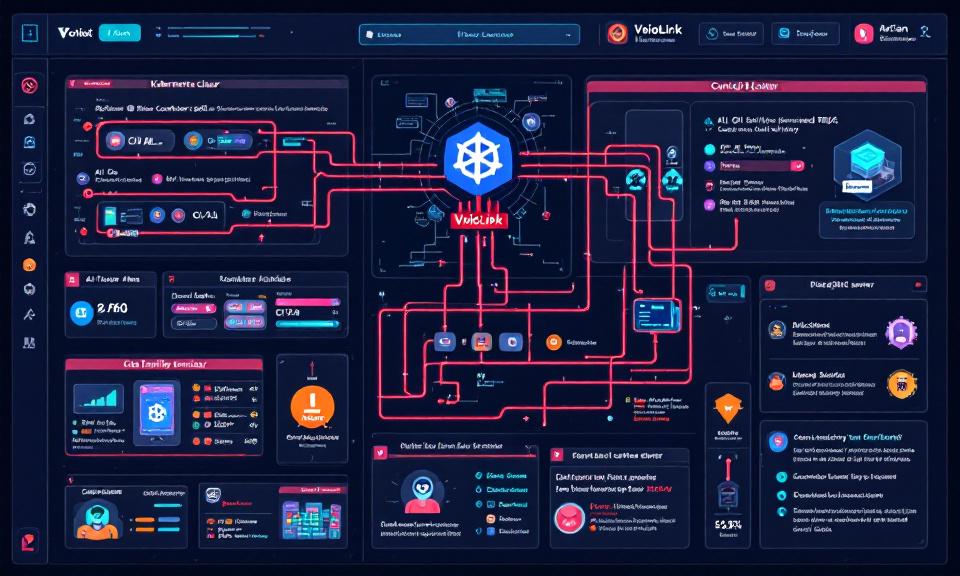
Title: VoidLink Malware Framework: Key Points on How It Targets Kubernetes and AI Workloads Overview VoidLink is a modular malware framework observed targeting cloud-native environments, with emphasis on Kubernetes clusters and AI infrastructure. Goal: persistence, lateral movement, data exfiltration, and abuse of compute (e.g., model theft, crypto-mining, or training/serving misuse). Modularity enables plugins for container escape, kubeconfig harvesting, and targeted