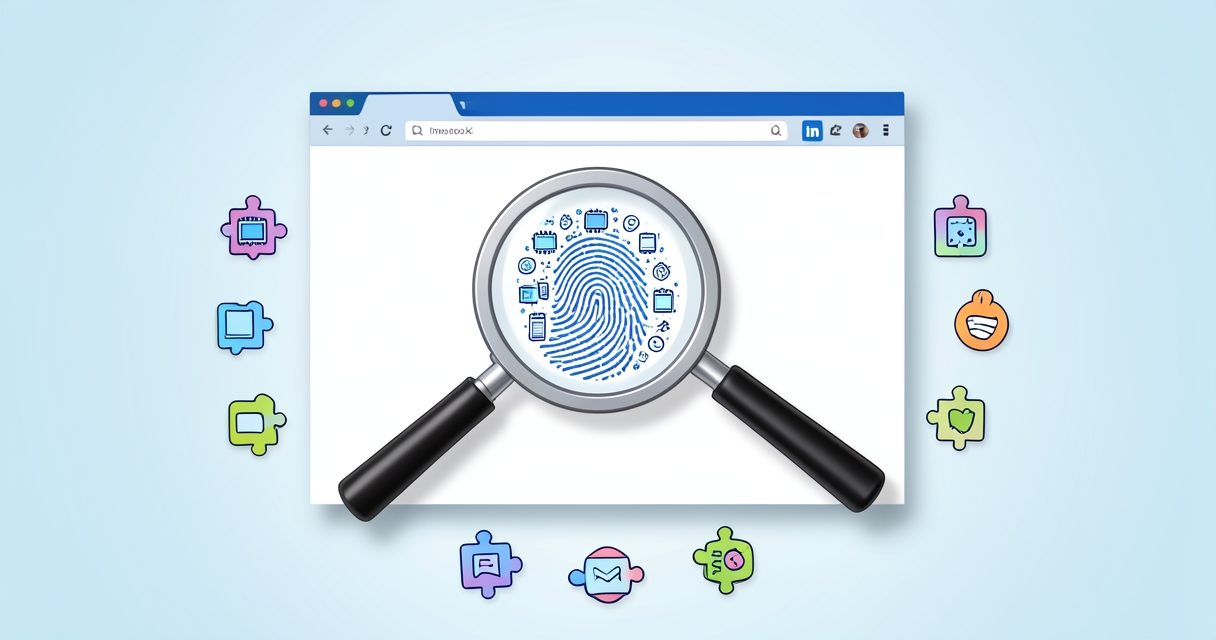
A recent security analysis has raised alarms about how LinkedIn inspects the browsers of people who visit its site. Researchers at Fairlinked e.V. published what they call the “BrowserGate” report, and independent testing by BleepingComputer corroborated many of the findings: LinkedIn appears to inject client-side JavaScript that probes visitors’ browsers for thousands of Chrome extensions and collects a range of
Category: Compliance and Privacy
GDPR, CCPA, HIPAA, PCI-DSS, SOC 2, ISO 27001, NIST, DORA, NIS2, data privacy, data protection, privacy policy, compliance audit, regulatory compliance, data governance, DPO, data processing agreement, right to erasure, data residency, privacy by design, AI Act, EU AI Act, digital identity, eIDAS, cookie consent, consent management, PECR, data localisation, breach notification
Announcing General Availability of Server Logic in Power Pages
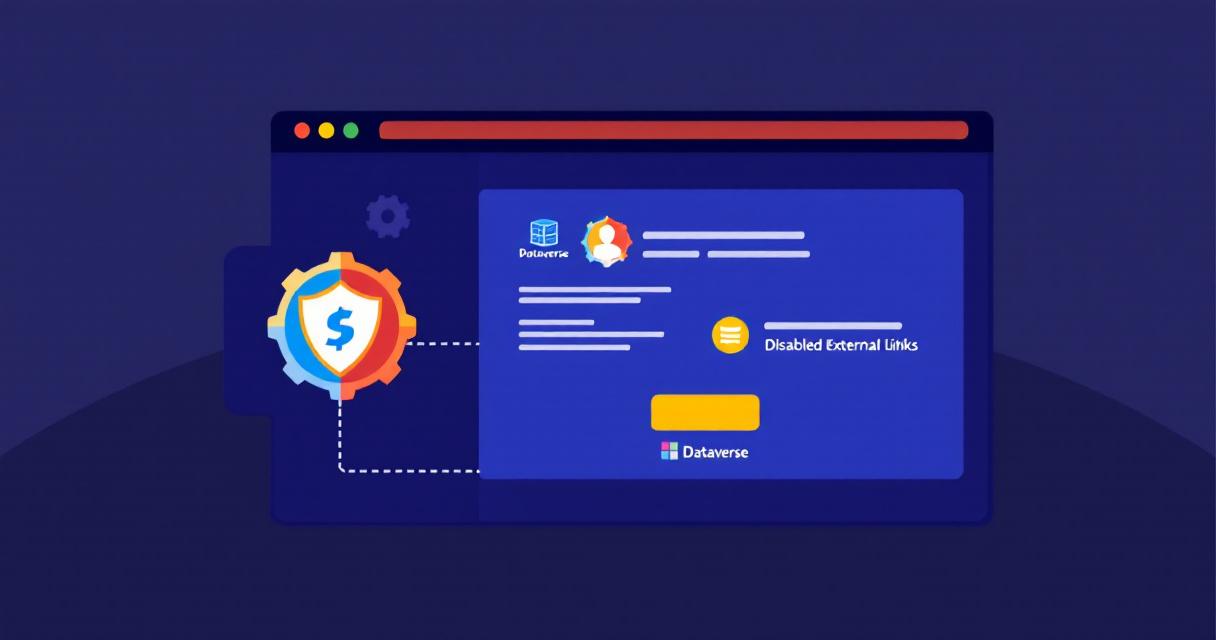
Power Pages has taken a significant step forward: Server Logic is now generally available for production use. What began as a preview capability to bring server-side processing closer to makers and developers has matured into a production-ready feature designed for enterprise scenarios. With this GA release, organizations gain a native, governed, and extensible way to run server-side operations directly within
Price Elasticity: The One Data Point That Could Clarify AI’s Impact on Jobs

Silicon Valley’s conversations about AI often sound like inevitabilities: sweeping automation, mass displacement, and workplaces remade by powerful models. Those scenarios have driven anxiety among workers and intense debate among researchers. But one practical problem underlies much of the confusion: we lack the right economic data to predict how AI-driven productivity gains will actually affect employment. Without that missing piece,
Zero Ads, Zero Tracking, Zero Exceptions: Build a Zero-Trust DNS Fortress for Every Device You Own
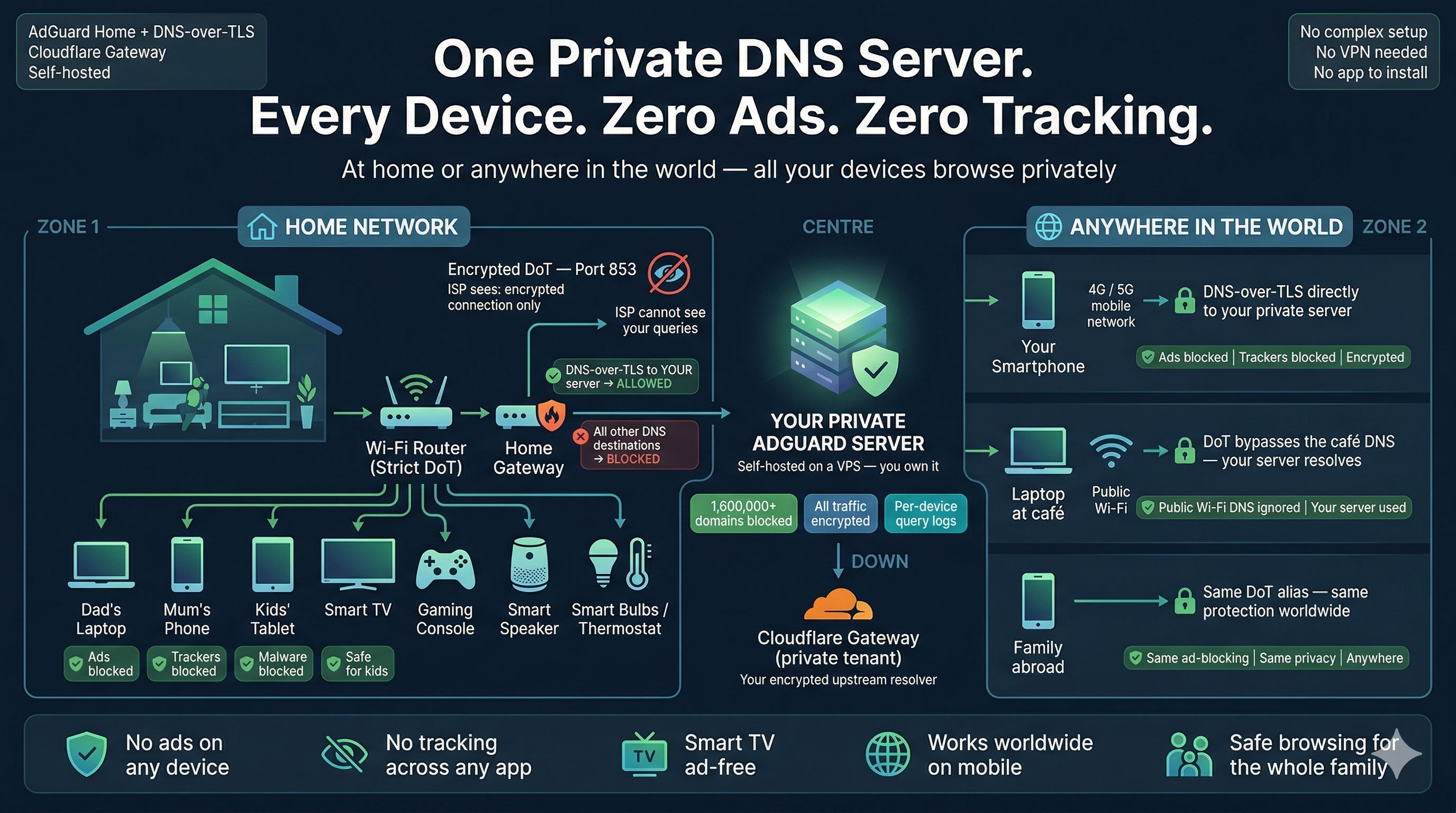
One self-hosted DNS server. Every device protected — at home and anywhere in the world. Here is a slightly terrifying, yet fun fact most people do not know: every time anyone in your household opens a browser, your Internet Service Provider (ISP) sees exactly which website they are visiting — before the page even loads. Not because they hacked your
Microsoft strips EXIF metadata from Teams images to protect employee privacy

On March 2026’s feature rollout, Microsoft updated Teams to automatically remove EXIF metadata from images shared in chats and channels. The change aims to prevent accidental leaks of GPS coordinates, device details, and time stamps—data that can be exploited for targeted attacks or unwanted location disclosure. The move is part of a broader push to bake privacy and security into
Prevent Accidental Exposure of Non-Production Power Pages Sites — New Admin Governance Controls (Microsoft Power Platform)
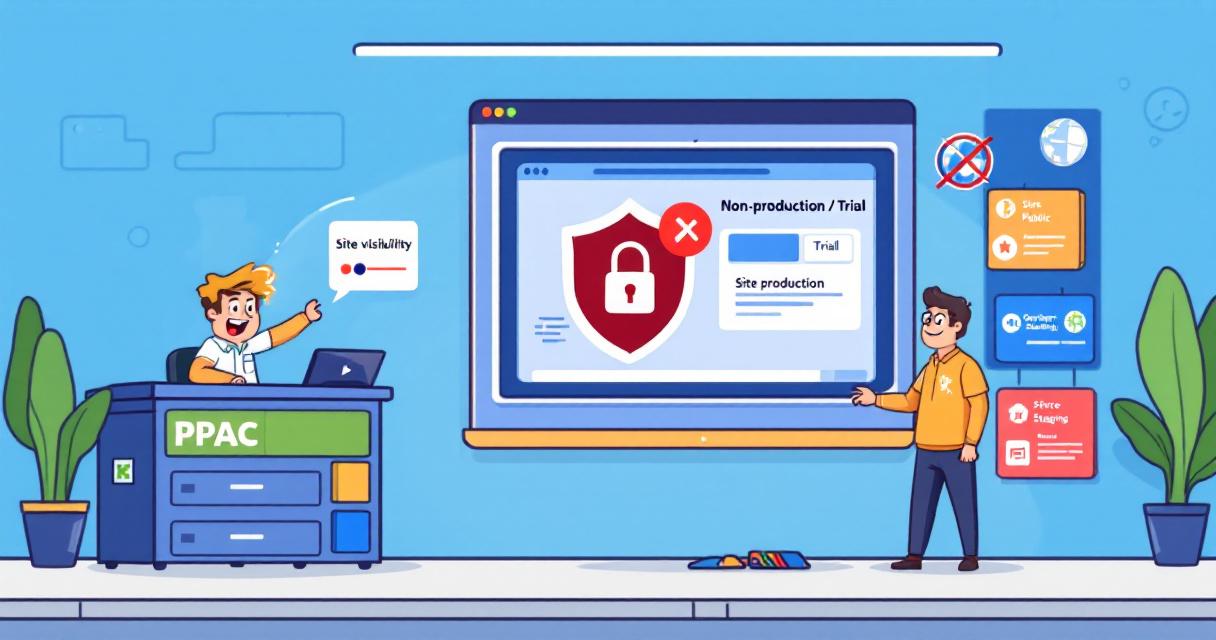
When teams build or test Power Pages sites in trial or developer environments, there’s a risk those unfinished or sensitive sites could be made public by mistake. Microsoft has added a simple governance control in the Power Platform admin center (PPAC) that helps tenant admins prevent non-production sites from being switched to public—giving organizations an easy guardrail while leaving production