
Automate task using script is always helpful, it reduced human error and efforts, but sometimes it still takes a lots of time to execute same command on multiple remote servers one by one. For example, my disk utilization script, it works perfectly fine, but taking lots of time to generate report for thousands of servers. To get the result faster
Category: PowerShell
PowerShell Basics, PowerShell Scripts, PowerShell Modules, PowerShell Remoting, PowerShell Functions, PowerShell Active Directory, PowerShell Security, PowerShell Error Handling, PowerShell Variables, PowerShell Objects, PowerShell Package Management, PowerShell, PSCustomObject, cmdlet, PowerShell pipeline, PowerShell ISE, PowerShell 7, pwsh, Get-Command, Get-Help, Invoke-RestMethod, Import-Module
Task Scheduler Error “A specified logon session does not exist” – Fix via Command Line and PowerShell for Scripting

This is very know issue, if you search internet, you will get multiple blog post with same solution for this issue, and if you follow the steps, it actually resolve this issue. In simple word, solution of this problem is Logon to the faulty system. Open SECPOL.MSC from Run Go to Security Settings | Local Policies | Security Options Open
Playing with String in PowerShell

As being a Windows Administrator I use PowerShell every day and the best part of it is, I learn something new every day. In simple word PowerShell can make your life easier, and I think you all agreed with it. I often requested to pull various reports from various sources and it was not always possible to get the exact report
Setup your own Monitoring – Disk Space Utilization Monitoring tool for free
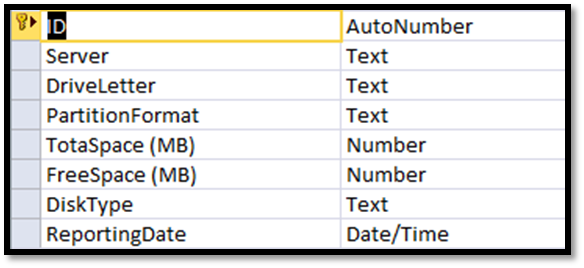
It is always recommended to keep tracking of the disk space utilization for you servers. This will help us to get the idea of our future requirement. There are multiple tools available for track this but you have to pay for most of them. Recently I also had similar kind of requirement and I was asked to provide the free
Migrating a VMWARE VM to AWS using AWS PowerShell
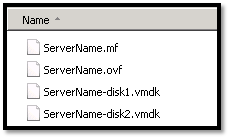
In this topic we will describes the necessary steps to migrate a VMWare VM to the Amazon Web Services (AWS) using PowerShell. You could also migrate VM using AWS command line tools, but I found using PowerShell is much easier than command line tools. Requirements: AWS Tools for Windows PowerShell http://aws.amazon.com/powershell/ IAM account to authenticate. Basic knowledge on PowerShell. Preparing
Port Scanner using PowerShell with Email Notification

Few days back I was asked to create a script, which will check RDP port status of multiple servers and send the result as an email notification. I have searched for few, but unfortunately there was no ready script for that. I decided to build one using PowerShell, and came out with following script. Hope this script might help you