Microsoft issued an out-of-band hotpatch on March 13, 2026, to address a set of serious vulnerabilities in the Windows Routing and Remote Access Service (RRAS) management tool that affect Windows 11. The update, tracked as KB5084597 and aimed at OS builds 26200.7982 (25H2) and 26100.7982 (24H2), patches three CVEs that can allow a remote attacker to disrupt RRAS or execute
Category: Server and Virtualisation
Server Administration, Windows Server administration, Nginx, Apache, MySQL, PostgreSQL, MariaDB, MongoDB, VMware, vCenter, ESXi, Proxmox VE, Hyper-V, KVM, QEMU, libvirt, container, server monitoring, server security, SSH, remote access, FTP, SFTP, server performance, server hardening, iSCSI, NFS, SMB, CIFS, DNS server, DHCP server, web server, bare metal, rack server, IPMI, BIOS, RAID
Windows 11 February Patch (KB5077181) Can Make Drive C Inaccessible on Some Samsung PCs
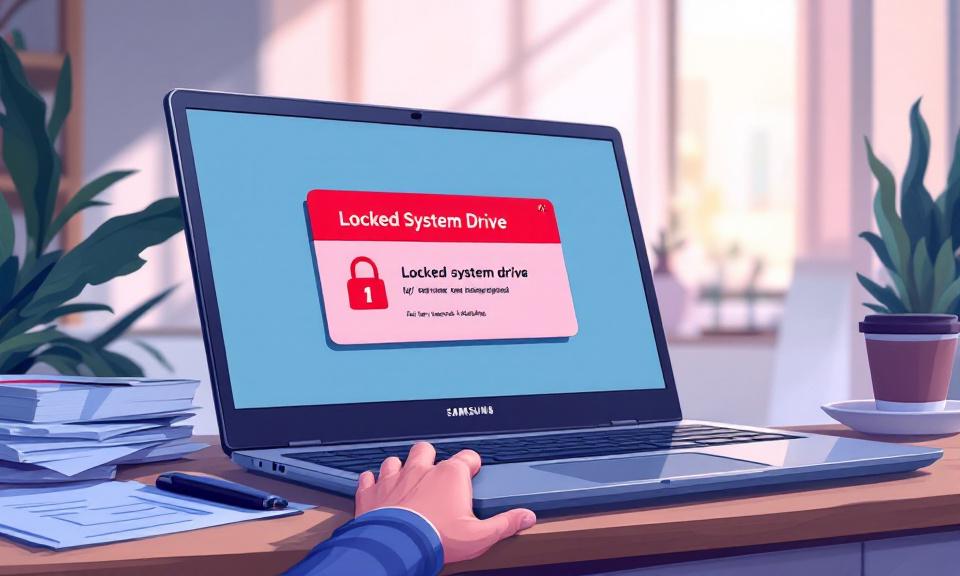
Microsoft has updated its Windows 11 documentation to describe a recently discovered issue tied to the February 2026 Patch Tuesday update (KB5077181). On certain machines—predominantly Samsung consumer laptops—installing that update can result in an error that prevents access to the system drive, showing “C: is not accessible – Access denied.” The problem can go beyond a simple File Explorer error
CrackArmor: Nine AppArmor Flaws Let Local Users Escalate to Root — What Organizations Need to Know

AppArmor, a widely deployed Linux Mandatory Access Control (MAC) framework, is at the center of a set of serious vulnerabilities that researchers have dubbed “CrackArmor.” Disclosed on March 12, 2026 by the Qualys Threat Research Unit (TRU), the collection of flaws affects AppArmor’s implementation as a Linux Security Module (LSM) and has been present in the upstream kernel since around
March 10, 2026 — KB5079473 for Windows 11 (OS Builds 26200.8037 and 26100.8037)
Microsoft released KB5079473 on March 10, 2026. The update is identified by the OS builds 26200.8037 and 26100.8037 and appears on Microsoft’s support site as a cumulative update for Windows 11. What the entry shows KB identifier and date: The article is titled “March 10, 2026 — KB5079473 (OS Builds 26200.8037 and 26100.8037)” and is published on Microsoft’s official support
Microsoft Active Directory Domain Services Vulnerability (CVE-2026-25177) — What Administrators Need to Know

In early March 2026, Microsoft released an important security update addressing a high-severity vulnerability in Active Directory Domain Services (AD DS) tracked as CVE-2026-25177. The flaw received a CVSS score of 8.8 and can allow an authenticated network actor with limited permissions to escalate privileges to full SYSTEM on a targeted domain controller. Microsoft and third-party researchers coordinated fixes and
Introducing the Azure Skills Plugin: Practical Azure Workflows for Coding Agents

The Azure Skills Plugin brings curated Azure expertise and an execution layer together so coding agents can do more than offer generic guidance. Rather than just suggesting commands or linking to documentation, the plugin packages decision logic (skills) and structured tools (MCP servers) so agents can reason about workflows and, when appropriate, run actions against real Azure resources. What the