





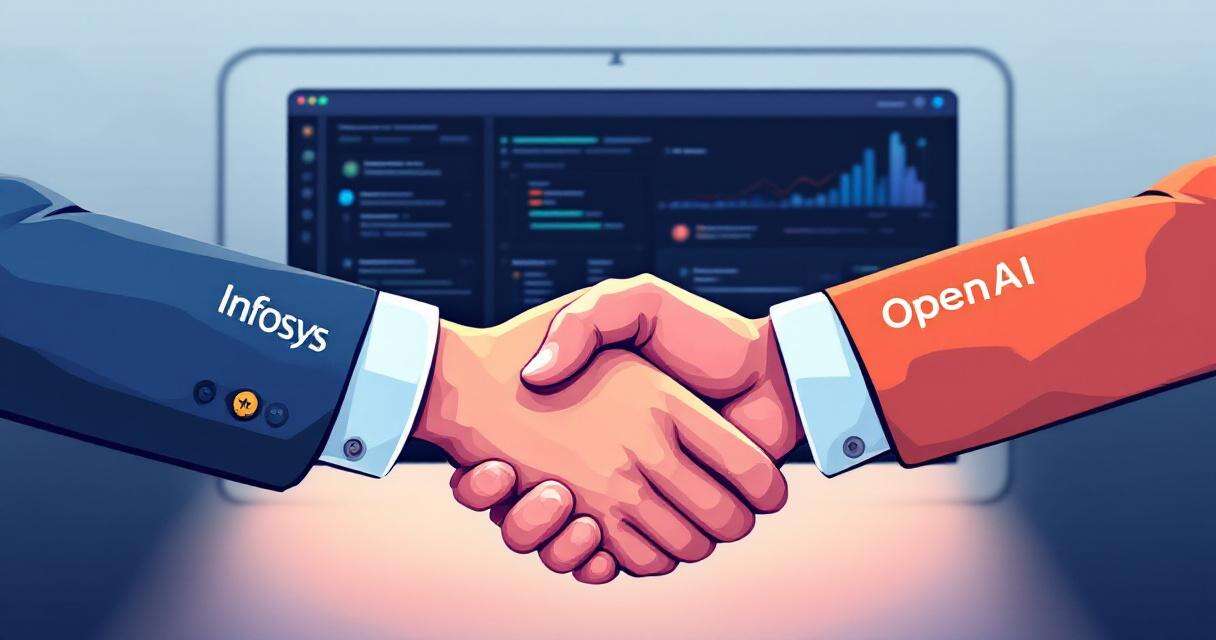
OpenAI has struck a strategic partnership with Infosys to integrate its AI tools — notably the coding assistant Codex — into Infosys’s Topaz AI platform, aiming to help large enterprises move from pilot projects to wide-scale AI deployments. The collaboration is positioned to accelerate software modernization, automate development workflows and support DevOps, with an initial focus on software engineering and
Latest Articles

Cloudflare
Agents, Stripe Projects, and zero-friction Cloudflare provisioning
Agents can now take a project from idea to live production on Cloudflare without a human manually opening a dashboard, entering card details, or copying API keys. In partnership with Stripe’s new Projects flow, Cloudflare built a protocol that lets an orchestrator platform (like Stripe Projects) attest to a signed‑in user’s identity, provide a payment token, and expose a catalog of available services. An agent using that catalog can provision a Cloudflare account, start paid subscriptions, register domains, and receive…
Continue readingGoogle Maps Gets a Big Dose of Generative AI — What It Means for Enterprises

Google’s mapping products are getting a clear enterprise tilt with a suite of new generative AI features announced at Cloud Next. Rather than small consumer-facing tweaks, these updates add capabilities for visualizing hypothetical scenes, accelerating satellite and aerial imagery analysis, and delivering pre-trained geospatial models that can identify infrastructure elements. For organizations that rely on maps and imagery—urban planners, construction
Microsoft Teams’ Efficiency Mode Arrives for Low‑End Devices

Microsoft is rolling out an Efficiency Mode for Microsoft Teams designed to help devices with limited CPU and memory run the app more smoothly. Announced in a Microsoft message center update, the feature will be enabled by default on eligible hardware and aims to improve responsiveness and meeting quality by dynamically adjusting how Teams uses system resources. What Efficiency Mode
Google Cloud and Wiz Turn Defense Into an Agentic Response to AI-Powered Attacks

Attackers and defenders are now playing with the same toys: powerful AI models that can find and exploit zero-day vulnerabilities in hours. At Google Cloud Next ’26, Google and Wiz unveiled a set of AI-driven defenses designed to shrink the time between discovery and remediation — and to automate much of the manual work that has left security teams lagging
Mustang Panda Turns Its Gaze on Indian Banks: Espionage Dressed as Help Desk Support

China’s Mustang Panda APT — also tracked as TA416, Bronze President, or Stately Taurus — is best known for adaptable tradecraft and a steady focus on geopolitical intelligence collection. In its most recent campaign, researchers tied to Acronis observed the group shifting some of that attention toward India’s financial sector. The attacks are notable less for technical sophistication than for
Comment and Control: How GitHub Comments Became a New Prompt-Injection Threat
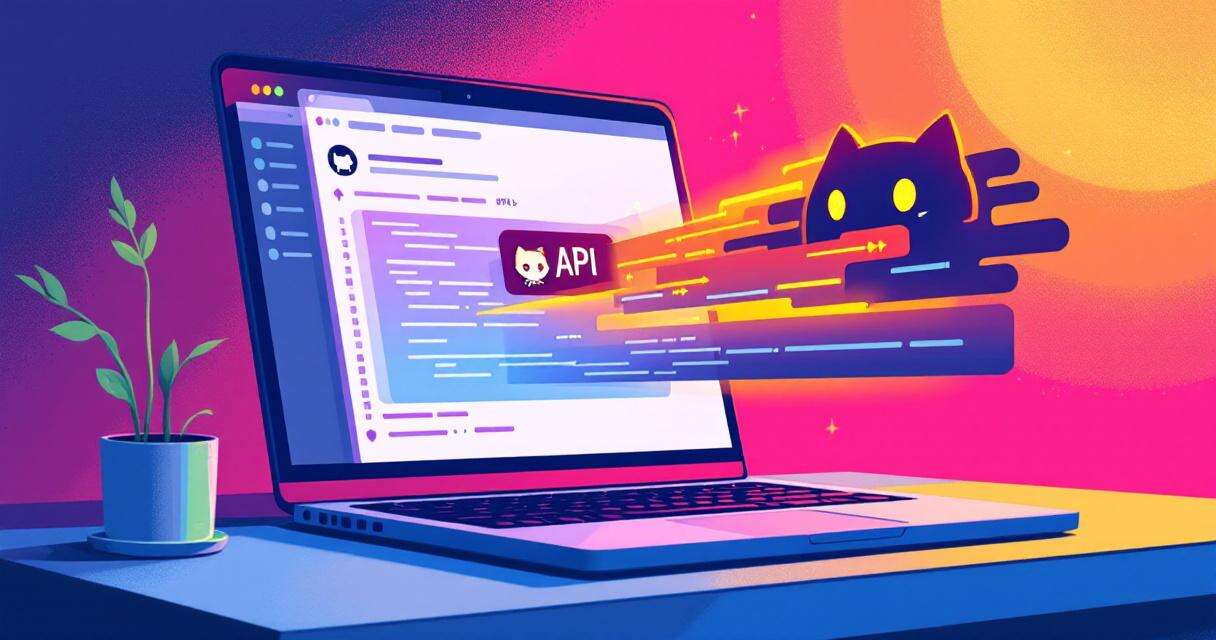
A new class of prompt-injection attacks—dubbed “Comment and Control”—turns GitHub pull requests, issues, and comments into attack surfaces that can hijack AI coding agents and siphon secrets directly from CI/CD environments. Unlike classic prompt injection that waits for a user to feed a document to an agent, this pattern is proactive: opening a PR or posting an issue can automatically