
Kali Linux’s first major release of 2026 lands with a mix of practical upgrades, fresh aesthetics, and a handful of features that will matter to both day-to-day penetration testers and mobile security researchers. Version 2026.1 brings a modernized look, an under‑the‑hood kernel bump, targeted NetHunter enhancements, and eight new offensive-security tools that expand Kali’s capabilities in post‑exploitation, web testing, and
Category: Linux
Linux, Linux Basics, Linux Commands, Linux Servers, Linux Security, Linux Networking, Linux Distros, Ubuntu, Debian, CentOS, RHEL, Rocky Linux, Fedora, Arch Linux, Linux Performance, Linux Kernel, Linux Package Management, apt, yum, dnf, systemd, cron, chmod, chown, grep, awk, sed, Linux Troubleshooting, Linux firewall, iptables, nftables, tmux, screen
Automate Your Claude Code Workflow: A Practical Guide to Scheduled Tasks

A little automation goes a long way. If you spend any time monitoring deployments, babysitting long-running builds, checking back on pull requests, or simply reminding yourself to follow up on something later, Claude Code’s scheduled tasks give you a lightweight, session-scoped way to run prompts on a cadence. They let Claude re-run prompts automatically while your session is open, turning
CrackArmor: Nine AppArmor Flaws Let Local Users Escalate to Root — What Organizations Need to Know

AppArmor, a widely deployed Linux Mandatory Access Control (MAC) framework, is at the center of a set of serious vulnerabilities that researchers have dubbed “CrackArmor.” Disclosed on March 12, 2026 by the Qualys Threat Research Unit (TRU), the collection of flaws affects AppArmor’s implementation as a Linux Security Module (LSM) and has been present in the upstream kernel since around
When Local Trust Breaks: The OpenClaw 0-Click Vulnerability and What Developers Must Do Now
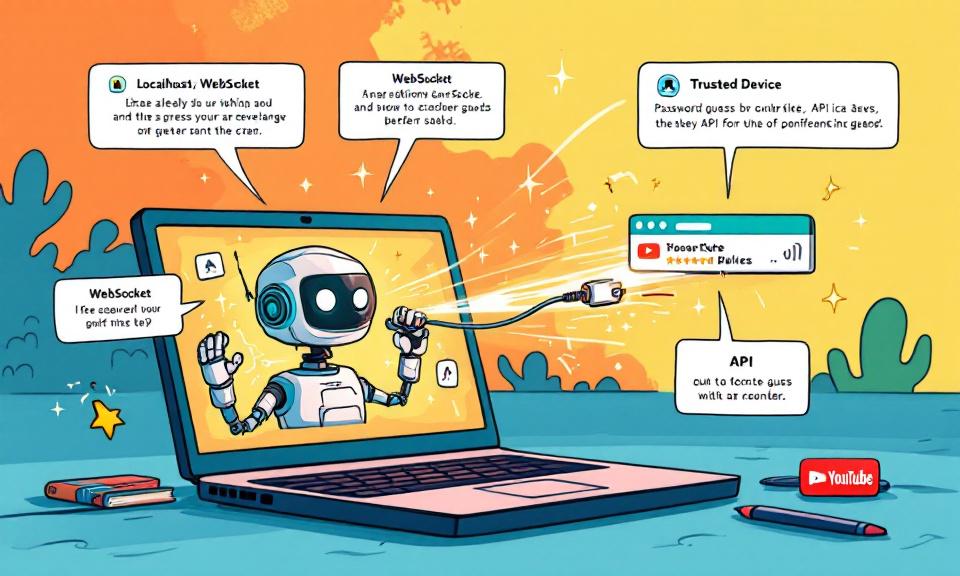
The speed at which developer-facing AI agents have been adopted is staggering — and rapid adoption often outpaces secure design. A recent, high-impact vulnerability in OpenClaw demonstrates how a single innocuous browser visit can be transformed into a full agent takeover. For developers and security teams, this is a reminder that conveniences like “localhost-first” assumptions carry real risk. This post
When Kali Meets Claude: How AI and MCP Are Changing Penetration Testing

The tools and workflows of penetration testing have evolved steadily over the past decade, but a recent shift feels more like a paradigm change than an incremental upgrade. Kali Linux — the distribution many security professionals rely on for reconnaissance, scanning, and exploitation — has been connected to a large language model via the open Model Context Protocol (MCP). The
SYSTEM at Risk: How a Splunk DLL Search-Order Flaw Lets Local Users Escalate Privileges
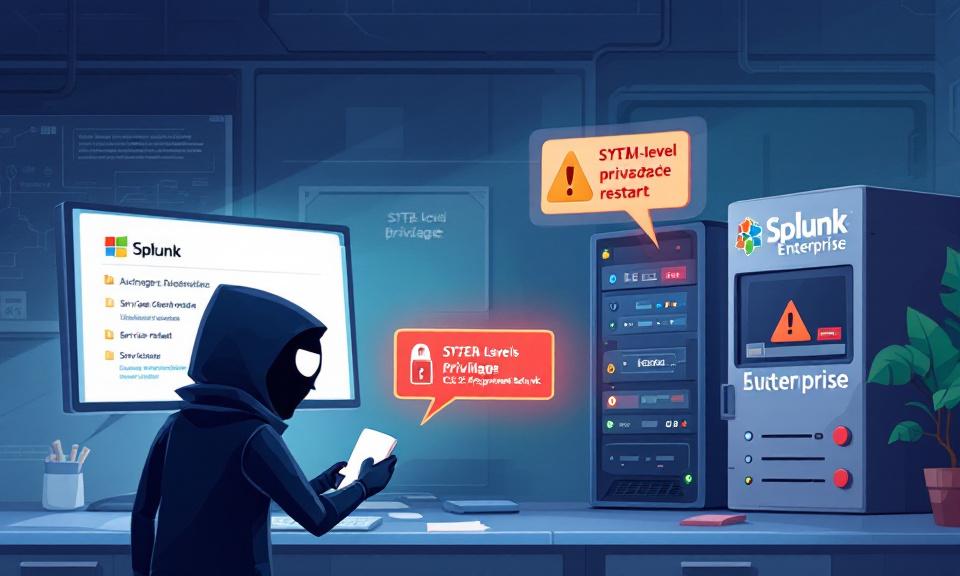
Splunk is a cornerstone of many security and operations teams, trusted to ingest, index, and analyze machine data across the enterprise. That trust makes any vulnerability in Splunk especially consequential. In February 2026 Splunk disclosed a high-severity Windows-specific vulnerability (CVE-2026-20140) that allows a low-privileged local user to perform a DLL search-order hijacking attack and gain SYSTEM-level privileges. The mechanics are