
The race to keep massive AI workloads powered around the clock has led Meta to sign a capacity reservation agreement with Overview Energy, a startup developing spacecraft that collect solar energy in space and convert it to near-infrared light beamed at large terrestrial solar farms. The deal — for up to 1 gigawatt of capacity — is a notable early
Category: Server and Virtualisation
Server Administration, Windows Server administration, Nginx, Apache, MySQL, PostgreSQL, MariaDB, MongoDB, VMware, vCenter, ESXi, Proxmox VE, Hyper-V, KVM, QEMU, libvirt, container, server monitoring, server security, SSH, remote access, FTP, SFTP, server performance, server hardening, iSCSI, NFS, SMB, CIFS, DNS server, DHCP server, web server, bare metal, rack server, IPMI, BIOS, RAID
Microsoft Teams’ Efficiency Mode Arrives for Low‑End Devices

Microsoft is rolling out an Efficiency Mode for Microsoft Teams designed to help devices with limited CPU and memory run the app more smoothly. Announced in a Microsoft message center update, the feature will be enabled by default on eligible hardware and aims to improve responsiveness and meeting quality by dynamically adjusting how Teams uses system resources. What Efficiency Mode
How Attackers Abuse Microsoft Teams and Quick Assist: Inside the Helpdesk Impersonation Playbook
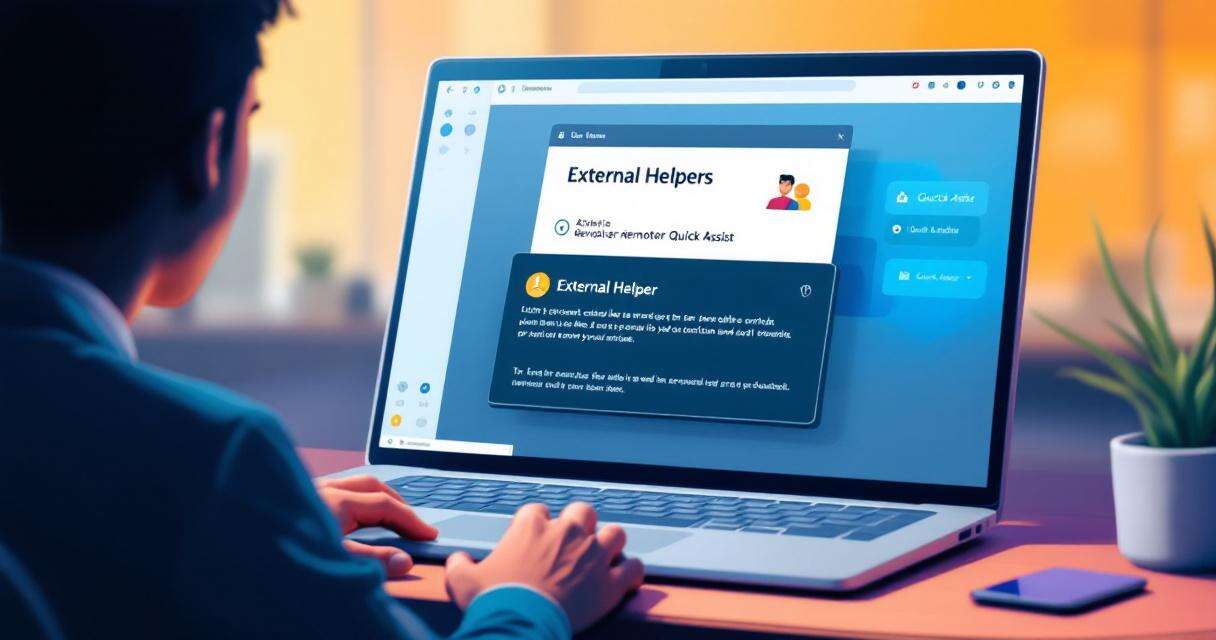
A new wave of attacks is quietly abusing everyday collaboration tools to bypass user suspicion and gain hands-on control of corporate endpoints. Threat actors are impersonating internal IT helpdesk staff inside Microsoft Teams, convincing employees to grant remote access via Quick Assist, and then using that live access to deploy stealthy persistence mechanisms and move laterally through enterprise networks. Because
New RDP Alert After April 2026 Security Update Warns of Unknown Connections
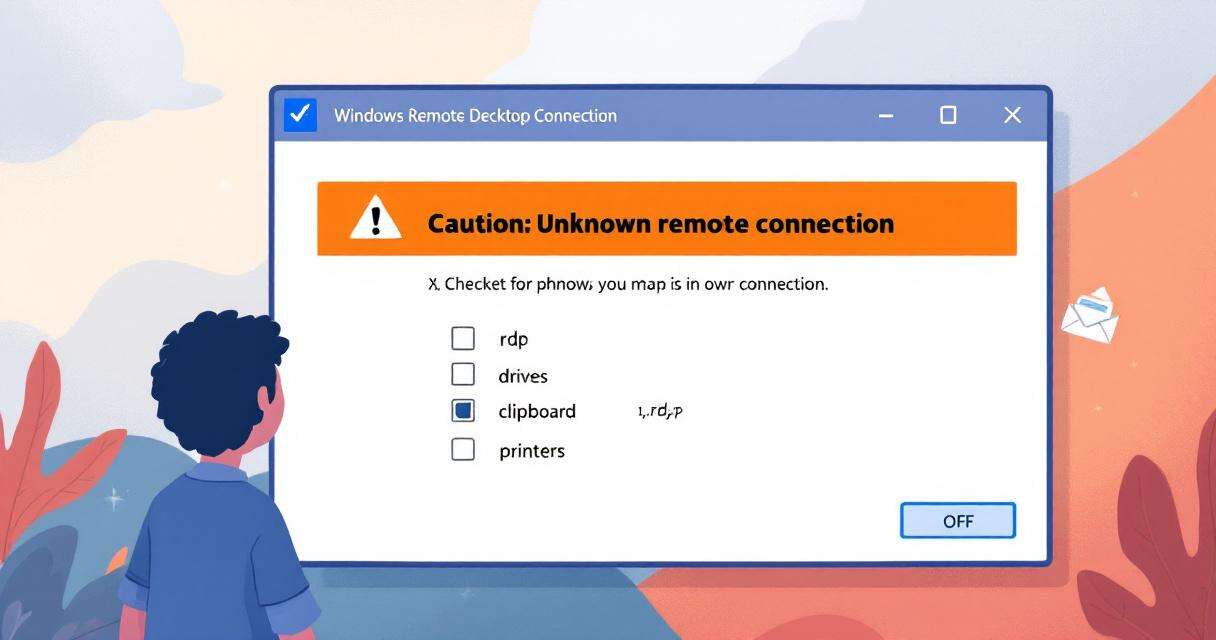
Microsoft’s April 2026 Patch Tuesday introduced a small-looking but important change to how Windows handles Remote Desktop (.rdp) files. What used to be a silent, one-click experience can now surface clear warnings about unknown connections and requested local resource access, closing an easy door attackers have been exploiting for phishing and session hijacking. For organizations and individual users alike, the
RedSun: New Microsoft Defender Zero-Day Lets Unprivileged Users Gain SYSTEM Access
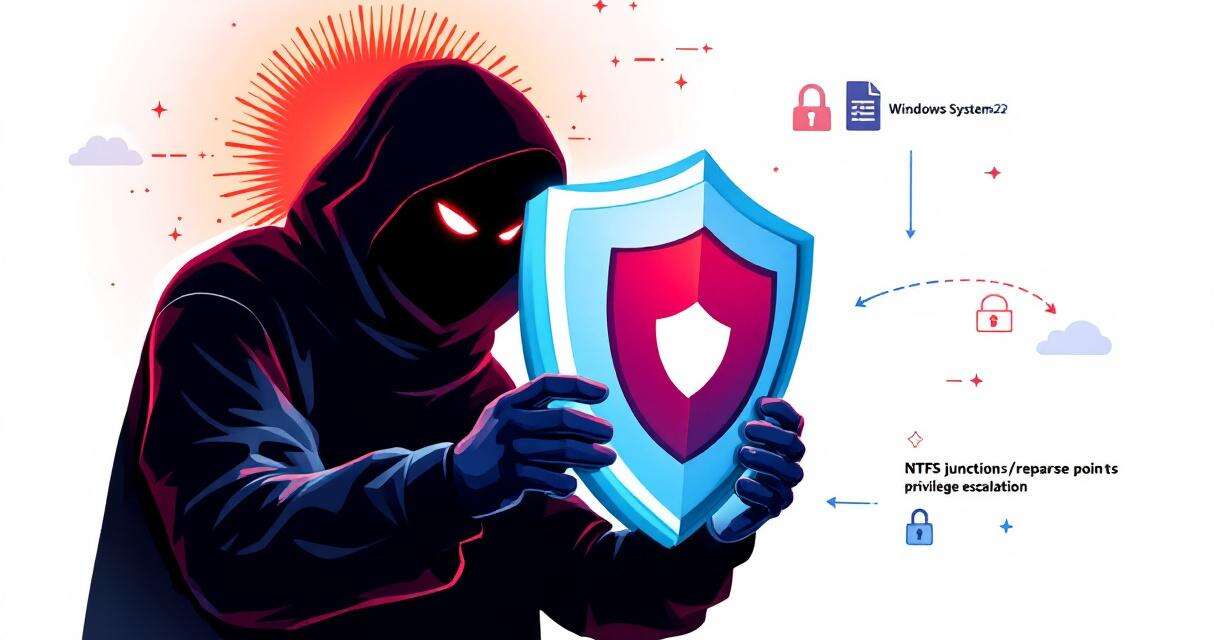
A freshly disclosed zero-day vulnerability in Microsoft Defender, dubbed “RedSun,” has raised alarms across enterprise security teams: an unprivileged user can escalate to full SYSTEM-level access on fully patched Windows systems. The flaw was detailed publicly in April 2026 by a researcher known as “Chaotic Eclipse” (also referenced as Nightmare‑Eclipse on GitHub). Independent verification from vulnerability analyst Will Dormann confirms
One-Click RCE in Azure Windows Admin Center: what happened and what you need to do
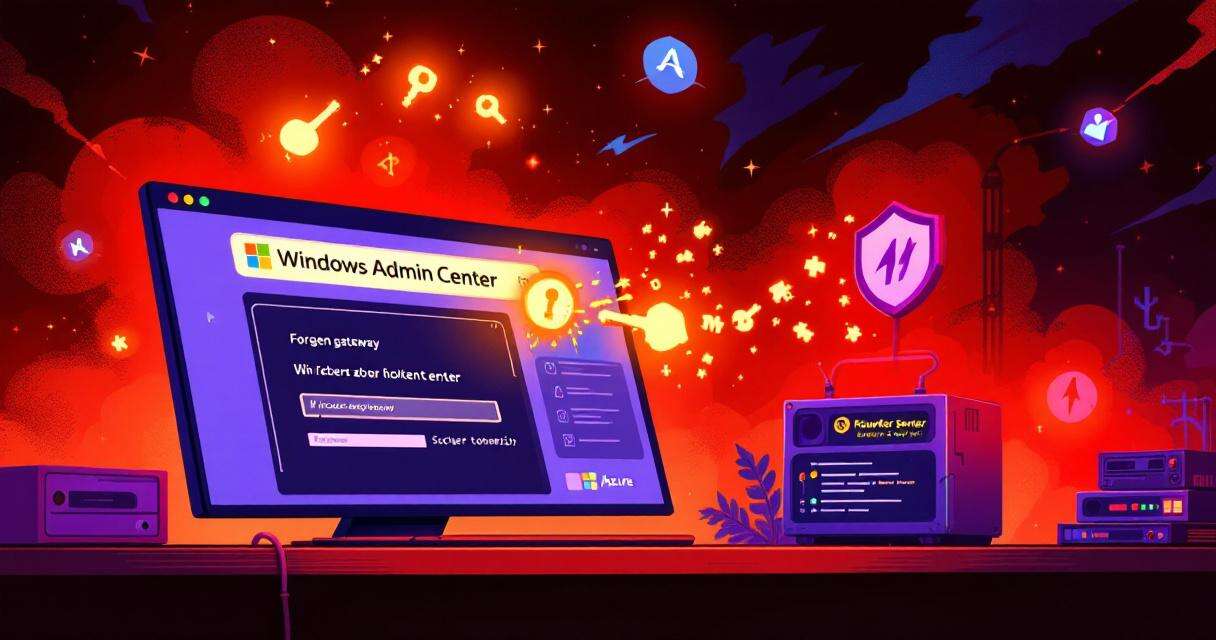
Windows Admin Center (WAC) is a convenient, browser-based management hub for administrators to manage servers, clients, and clusters from a centralized interface. A recent Cymulate Research Labs disclosure describes a critical chain of flaws that let an attacker achieve unauthenticated, one-click remote code execution (RCE) against both Azure-integrated and on-premises WAC deployments. The exploit requires little user interaction—a maliciously crafted