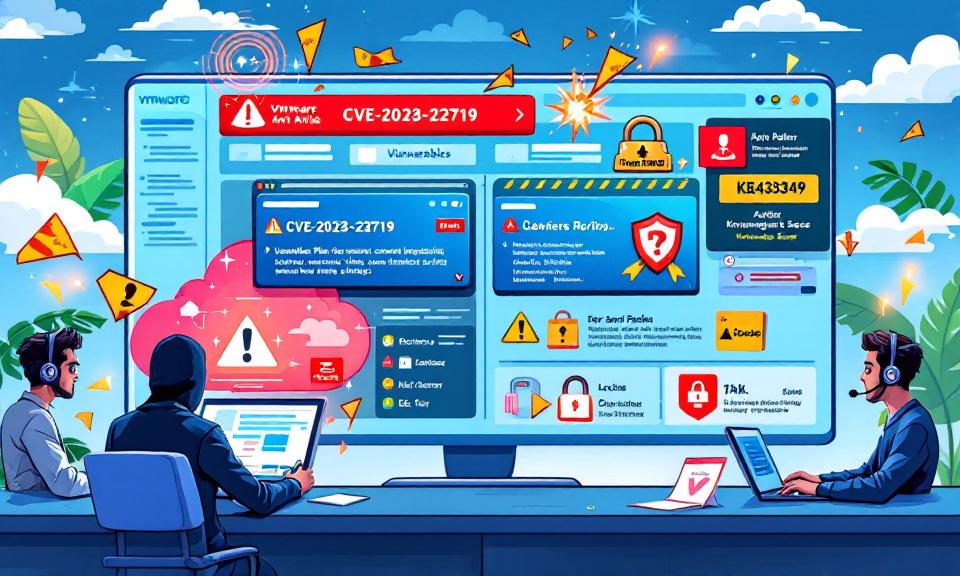
VMware’s Aria Operations — a cornerstone for many organizations’ cloud and infrastructure management — was thrust into the spotlight this week after Broadcom published VMSA-2026-0001, detailing three significant vulnerabilities. These flaws range from command injection that can lead to full remote code execution, to stored cross-site scripting that enables administrative actions, and a privilege escalation path from vCenter to Aria
Category: Hacking and Exploits
Web-Hacking, 0-Day, Malware, Ransomware, Exploit, Vulnerabilities, Privilege-Flaw, Privilege-Escalation, Zero-Day, Exploit, Jailbreak, Penetration-Testing, Trojan, Spyware, Rootkit, Worm, Backdoor, Payload, Obfuscation, DDoS, Phishing, MITM, Spoofing, Brute-force, Port-Scan, SQLi, XSS, CSRF, Path-Traversal, LFI, RFI, Insecure-Deserialization, Buffer-Overflow, CVE, Exploit-Kit, Shellcode, bug bounty, ethical hacking, CTF, capture the flag, offensive security, red team exercise, exploit development, reverse engineering, vulnerability research, credential harvesting
SYSTEM at Risk: How a Splunk DLL Search-Order Flaw Lets Local Users Escalate Privileges
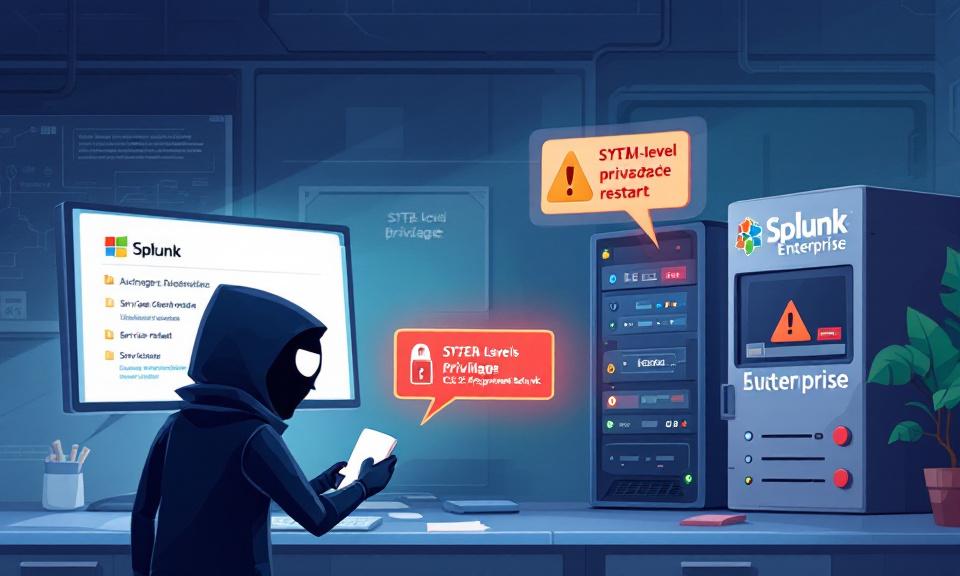
Splunk is a cornerstone of many security and operations teams, trusted to ingest, index, and analyze machine data across the enterprise. That trust makes any vulnerability in Splunk especially consequential. In February 2026 Splunk disclosed a high-severity Windows-specific vulnerability (CVE-2026-20140) that allows a low-privileged local user to perform a DLL search-order hijacking attack and gain SYSTEM-level privileges. The mechanics are
Guardian of the Red Team: How Guardian Orchestrates Gemini, GPT-4 and 19 Top Security Tools for Smarter Pentesting

Guardian is an open-source, AI-driven penetration testing framework that leverages multiple large language models to automate intelligent, evidence-backed security assessments. Designed for enterprise use, it combines a multi-agent architecture with a broad toolset to accelerate reconnaissance, triage, and reporting while preserving human oversight. What is Guardian? Guardian is an AI-powered penetration testing automation framework developed by Zakir Kun and available
Chrome 0‑Day Under Active Attack: CVE‑2026‑2441 — What You Need to Do Now

Google has released an emergency patch for a high‑severity zero‑day in Chrome after confirming active exploitation in the wild. Tracked as CVE‑2026‑2441, the vulnerability is a use‑after‑free bug in Chrome’s CSS handling that can enable remote code execution when a user visits crafted web content. How the flaw works CVE‑2026‑2441 arises from improper lifecycle management of objects in the rendering
From The Blinking Cursor to The Thinking Machine: A Memoir of Automation

There is a specific kind of silence that only exists in a server room late at night. It isn’t actually quiet—the fans are screaming, the air conditioning is humming like a jet engine, and the hard drives are clicking in a chaotic rhythm. But for those of us who have spent the last two decades in IT, it feels silent
When Money Talks and Machines Mimic: Ransomware, Extortion, and the AI Arms Race in Cybersecurity

The landscape of cyber threats has shifted decisively toward financially motivated crime. Extortion and ransomware now drive more than half of attacks with known motivations, as opportunistic criminal groups scale operations with automated tooling and AI. Speed, automation, and deception combine to inflict outsized damage on vulnerable organizations and public services. Why extortion and ransomware dominate Ransomware and extortion target