
Microsoft used RSA 2026 to roll out a wave of Defender enhancements that are already changing how security teams detect, investigate, and respond to risk. The announcements bundle intuitive UX changes—like a consolidated identity dashboard—with more consequential shifts: AI-driven triage and automated hardening that can act proactively on predicted attacker movement. These features promise speed and scale, but they also
Category: Microsoft
Windows, Windows Server, Microsoft 365, Word, Excel, PowerPoint, Outlook, OneNote, Teams, SharePoint, OneDrive, Edge, Bing, SQL Server, Visual Studio, Active Directory, Dynamics 365, Power BI, Power Apps, Xbox, Game Pass, Surface, Intune, Defender, Exchange, Hyper-V, .NET, Dataverse, Microsoft Copilot, Copilot Studio, Microsoft Fabric, Power Platform, Windows 11, Windows 10, WSL, Windows Subsystem for Linux
AI for Nuclear Energy — Powering an Intelligent, Resilient Future

The world’s surge in power demand is colliding with an energy infrastructure that was largely designed for an analog age. Meeting that demand with clean, reliable power requires more than ambition; it requires faster, repeatable delivery of complex projects. Nuclear energy is central to that future, but development timelines, fragmented data, and heavy regulatory processes create persistent bottlenecks. Artificial intelligence,
Microsoft Issues Emergency Windows 11 Fix for Microsoft Account Sign-In Failures
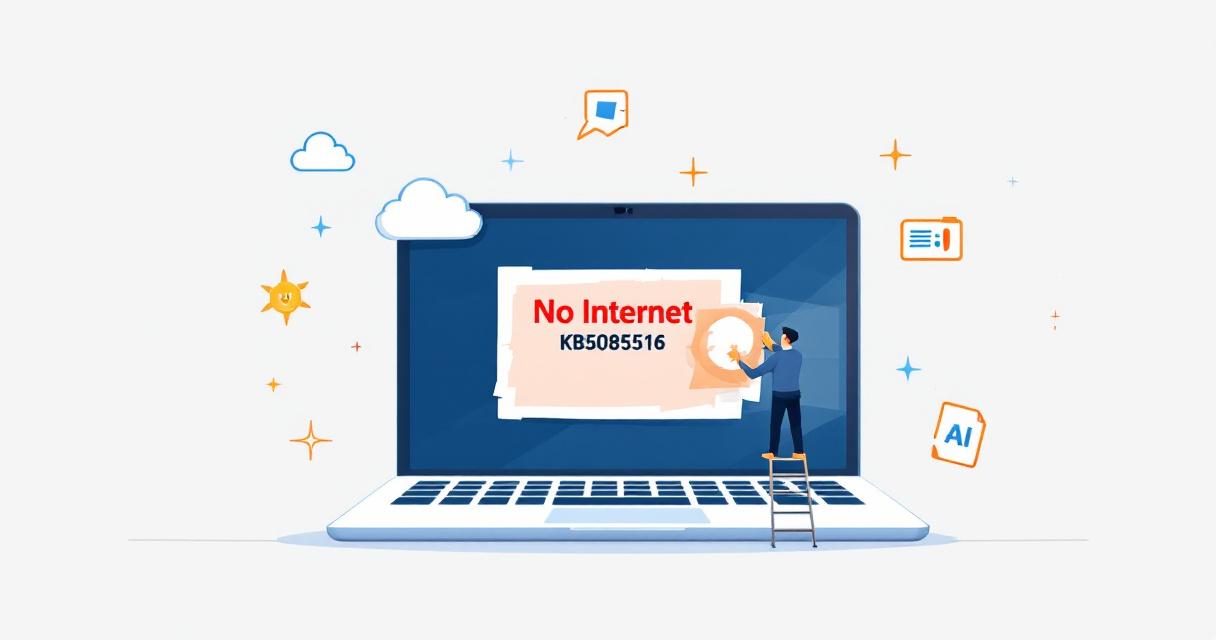
Microsoft released an out-of-band update for Windows 11 (KB5085516) on March 21, 2026, to address a sign-in regression introduced by the March 10 cumulative update (KB5079473). Affected users reported being unable to authenticate into apps using personal Microsoft accounts: despite an active internet connection, the sign-in flow incorrectly displayed a “no Internet” error and blocked access to Microsoft services such
KB5079473 Chaos: How a Windows 11 Patch Locked Out Teams, OneDrive and Personal Accounts
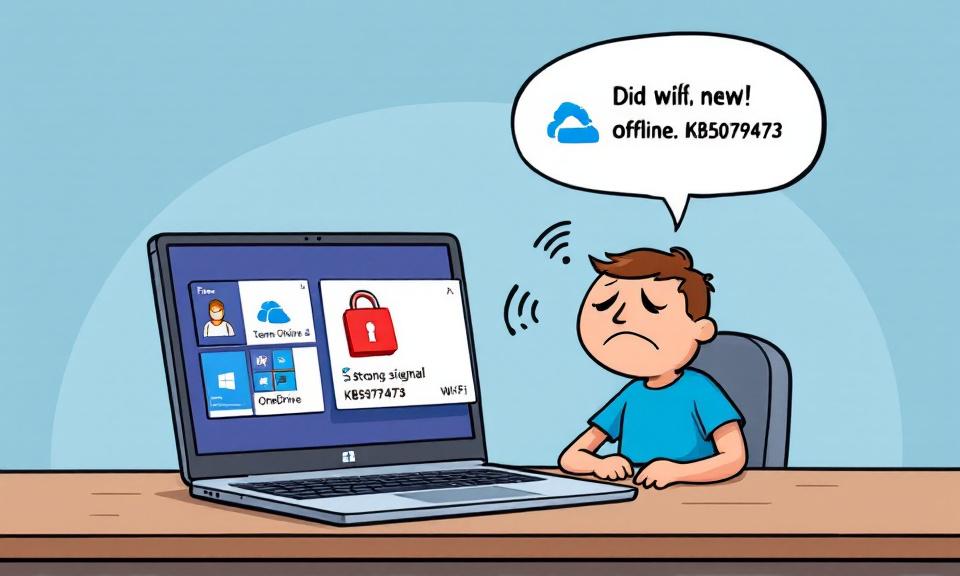
A routine March cumulative update meant to keep Windows secure instead produced a glaring user-impacting regression. After Microsoft pushed KB5079473 (OS Build 26100.8037) on March 10, a subset of Windows 11 devices began failing to sign in to consumer Microsoft services. The result: personal OneDrive syncs stopped working, Microsoft Teams Free users could not authenticate, and Office features tied to
Windows Users Beware: SnappyClient — The Compact Implant That Hijacks Crypto and Disables Defenses
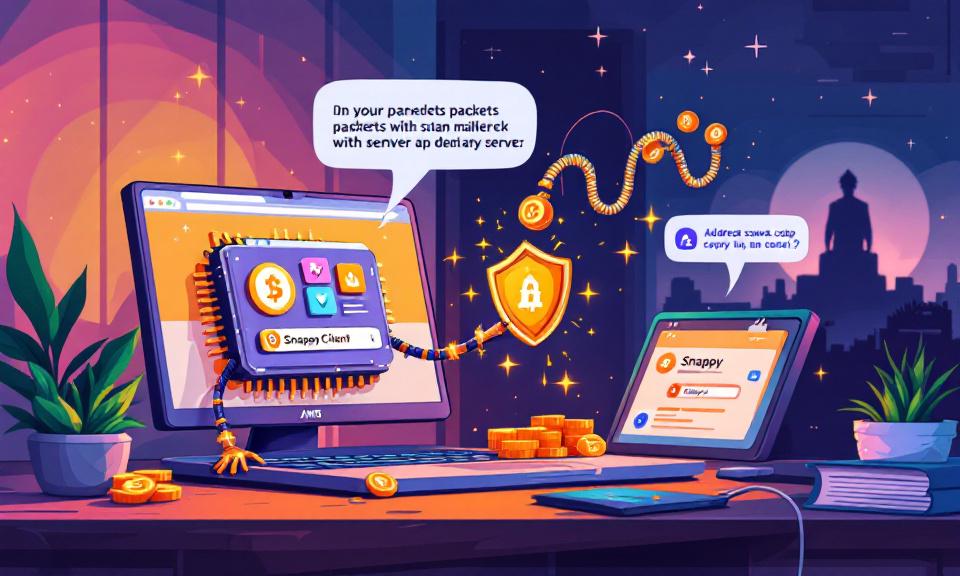
A compact but capable Windows implant called SnappyClient has emerged as a notable threat, especially for people who use browser-based cryptocurrency wallets on Windows machines. First observed in late 2025 by Zscaler ThreatLabz, SnappyClient blends remote access, targeted data theft, and multiple anti-detection techniques into a small C++ payload that’s typically delivered via in-memory loaders. Its combination of stealth, focused
Two Words, One Deal: How “Stateful” vs “Stateless” Could Decide a $50 Billion Cloud Dispute

Last week’s reporting brought into sharp relief a narrowly technical — but potentially enormous — dispute between Microsoft, Amazon and OpenAI over a reported $50 billion commercial arrangement. At the center of the controversy are two terms engineers use every day: “stateful” and “stateless.” Depending on how those words are interpreted, Microsoft may have grounds to claim a breach of