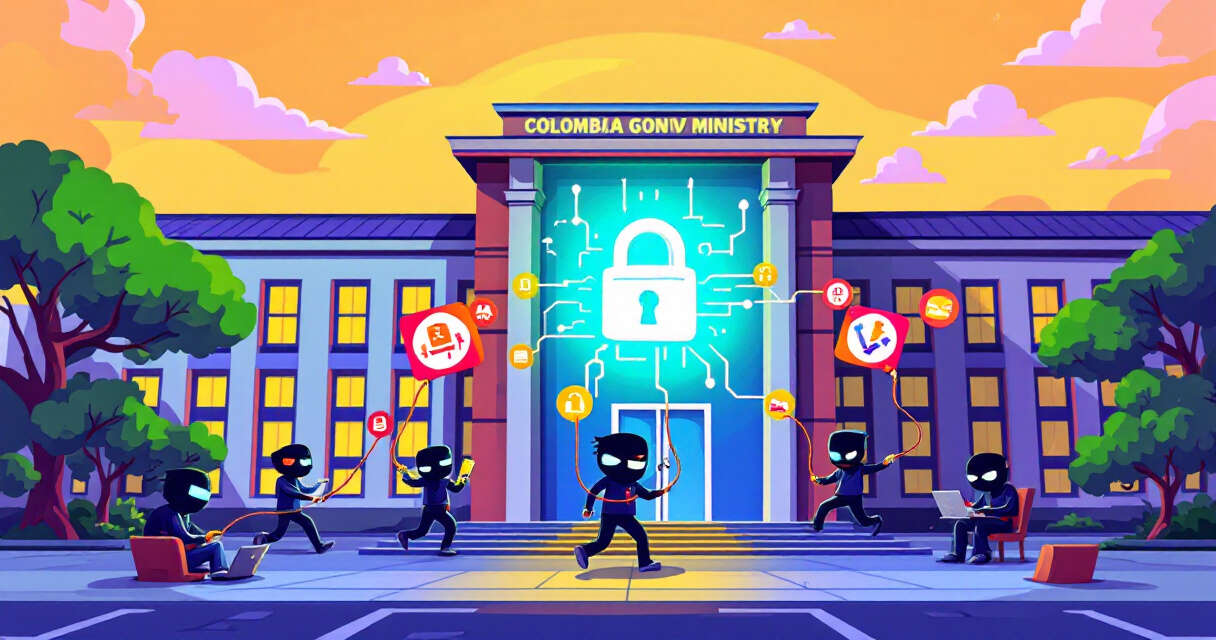
A new wave of attacks is quietly abusing everyday collaboration tools to bypass user suspicion and gain hands-on control of corporate endpoints. Threat actors are impersonating internal IT helpdesk staff inside Microsoft Teams, convincing employees to grant remote access via Quick Assist, and then using that live access to deploy stealthy persistence mechanisms and move laterally through enterprise networks. Because
Latest Articles

Project Glasswing and Mythos Preview: What 10,000+ AI-Found Vulnerabilities Mean for Software Security
In the weeks since Anthropic unveiled Project Glasswing and the Mythos Preview model, a startling new reality has emerged: AI can now find critical flaws across the software stack at an unprecedented scale. Early collaborators and independent testers report thousands of high- and critical-severity findings across essential infrastructure and widely used open-source projects. That rapid discovery is a boon for defenders—if we can solve the bottleneck that remains: human triage, disclosure, and patching. What Project Glasswing has achieved Project Glasswing…
Continue readingLovable AI App Builder Reportedly Exposes Thousands of Projects’ Source Code and Customer Data
A critical Broken Object Level Authorization (BOLA) vulnerability in Lovable, an AI-powered app builder, has reportedly left thousands of legacy projects accessible to unauthorized users. According to security researchers, an API endpoint returned full project data — including source code, database credentials, AI chat histories, and customer information — for projects created before November 2025. While Lovable appears to have
Anthropic’s Mythos and the New Era of AI-Accelerated Cyber Risk
Anthropic’s new Mythos model has crystallized a fear many in security have quietly harbored: advanced, cyber-focused AI can find software flaws faster than people and, in some cases, generate the exact exploits to weaponize them. That capability promises major defensive benefits—accelerating the discovery and remediation of long-hidden vulnerabilities—but it also hands would-be attackers automated, scalable tools that could outpace the
Windows 11 Dev Build 26300.8170 Brings Clearer Secure Boot Visibility and Bigger FAT32 Drives
Microsoft’s latest Windows 11 Insider Preview for the Dev Channel, build 26300.8170, focuses on practical visibility and storage usability rather than flashy new features. For security-minded users and administrators, the standout change is a revamped Secure Boot display in Windows Security that finally gives clear, at-a-glance information about firmware-level protections and certificate health. Complementing that, the build addresses long-standing storage
New RDP Alert After April 2026 Security Update Warns of Unknown Connections
Microsoft’s April 2026 Patch Tuesday introduced a small-looking but important change to how Windows handles Remote Desktop (.rdp) files. What used to be a silent, one-click experience can now surface clear warnings about unknown connections and requested local resource access, closing an easy door attackers have been exploiting for phishing and session hijacking. For organizations and individual users alike, the
Microsoft Teams Desktop Update Breaks Launch for Some Users After Caching Regression
A subset of Microsoft Teams desktop users found themselves unable to launch the application after a recent service update introduced a caching regression. Affected clients became stuck on the loading screen, displaying an error that advised users to refresh, and could not complete the app’s startup sequence. Microsoft has acknowledged the incident and moved to roll back the update while