



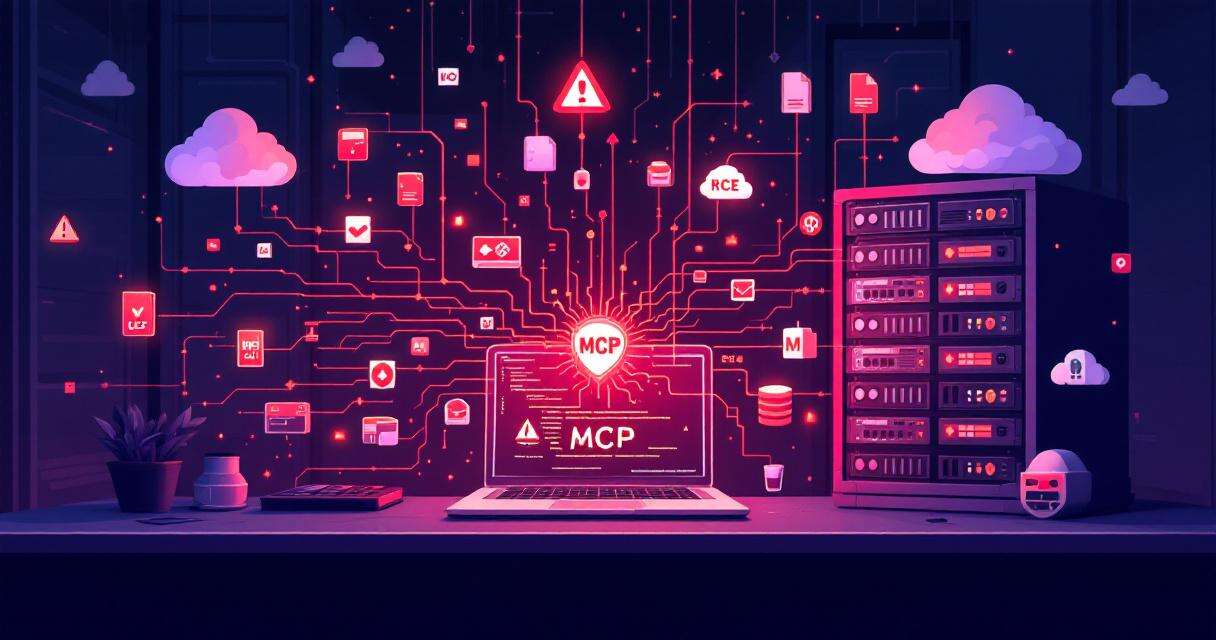
A critical architectural flaw in Anthropic’s Model Context Protocol (MCP) ecosystem has exposed a vast number of downstream systems to remote code execution (RCE) risks. Researchers at OX Security found the issue embedded across official MCP SDKs for Python, TypeScript, Java, and Rust — meaning developers building on MCP inherit the vulnerability by design rather than through a simple coding
Latest Articles
Compliance and Privacy
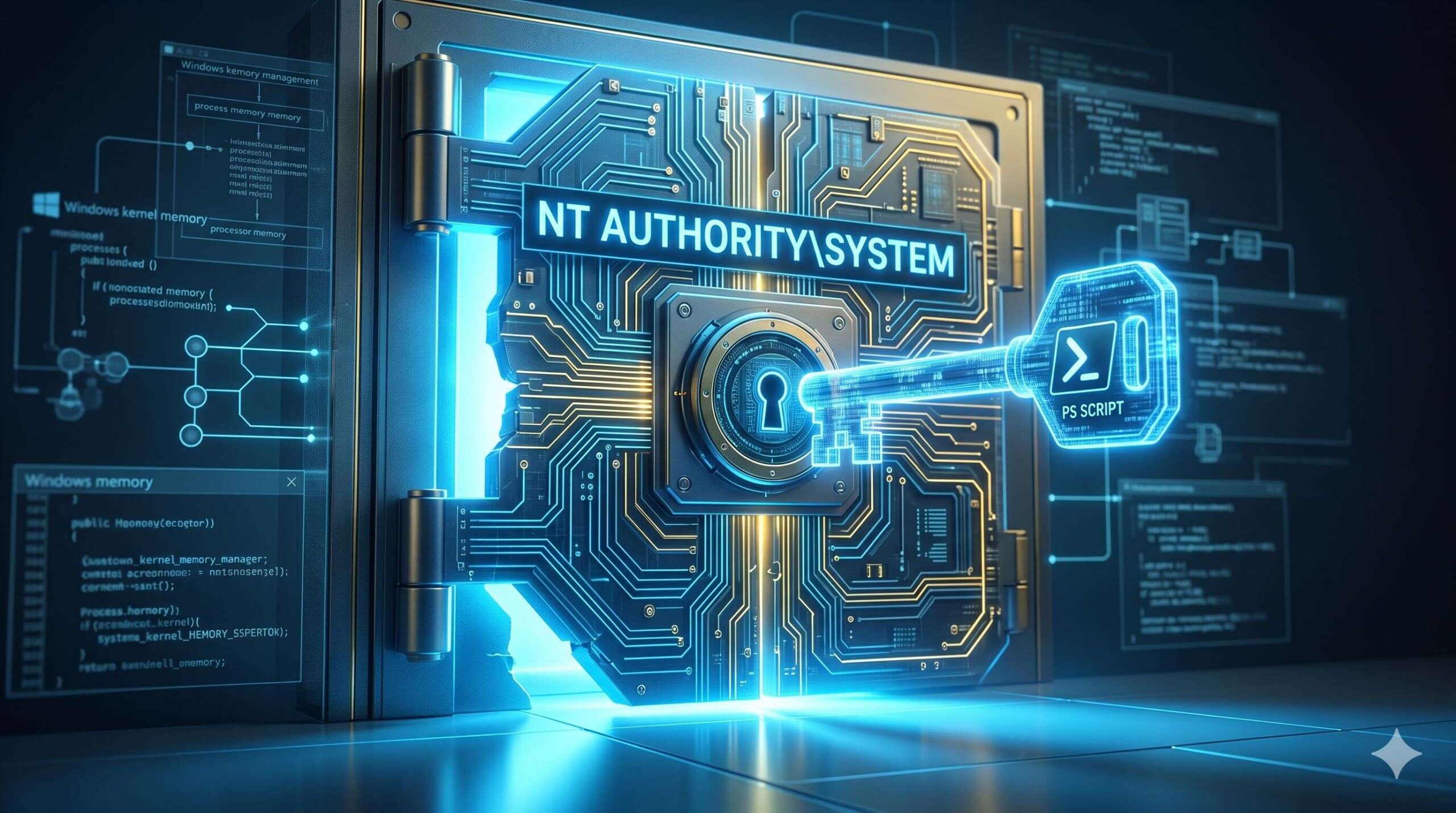
Ditching PsExec - Running Interactive SYSTEM Shells Natively in PowerShell
If you’ve spent any time in Windows System Administration over the last decade, I can almost guarantee you’ve reached for PsExec at least once. Originally from Sysinternals and now officially part of Microsoft, PsExec is one of those deceptively simple tools that has quietly saved thousands of IT professionals from hours of sheer agony. A single executable, zero installation, no messy dependencies. You drop it on a machine, and it just works. If you have never had the pleasure, here…
Continue readingApple’s Leadership Shift: Tim Cook to Executive Chairman, John Ternus Named CEO

Apple has announced a major leadership transition: Tim Cook will become executive chairman of Apple’s board of directors, and John Ternus, currently senior vice president of Hardware Engineering, will step into the role of CEO on September 1, 2026. The board approved the change unanimously after a long-term succession planning process. Cook will remain CEO through the summer to work
Anthropic and Amazon Expand Partnership, Securing Up to 5GW of Compute for Claude
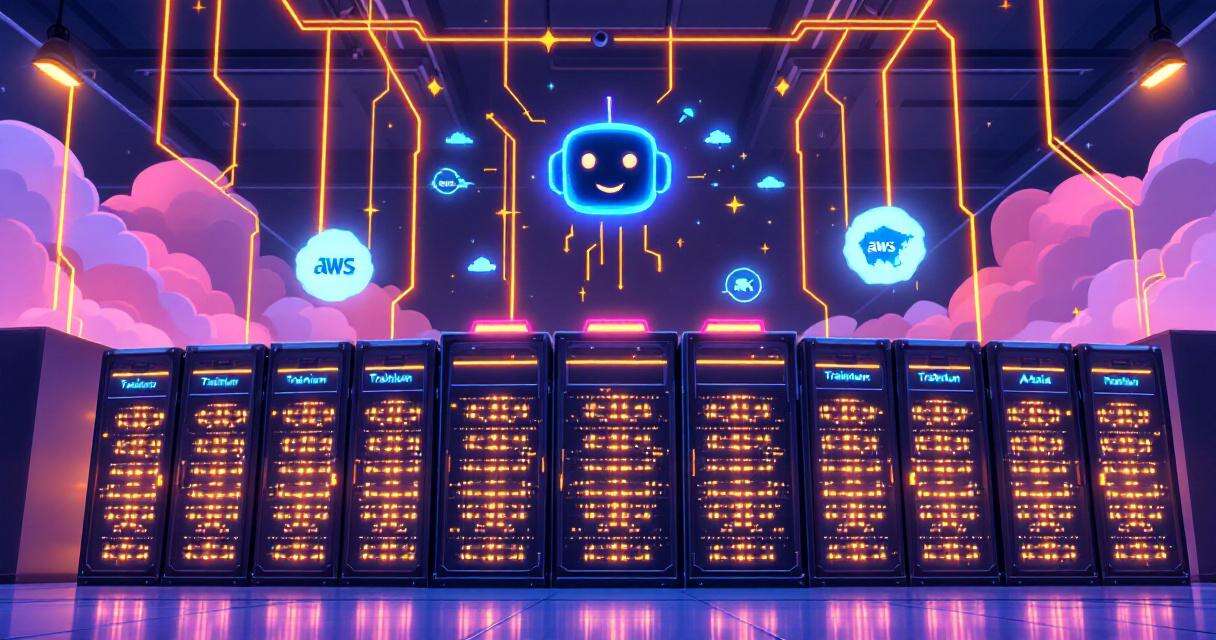
Anthropic announced on April 20, 2026, a major expansion of its collaboration with Amazon that will secure up to 5 gigawatts (GW) of new compute capacity to train and deploy Claude. The agreement accelerates capacity coming online this year and ties together deeper infrastructure, platform integration, and additional capital investment — steps Anthropic says are needed to meet surging customer
How Attackers Abuse Microsoft Teams and Quick Assist: Inside the Helpdesk Impersonation Playbook

A new wave of attacks is quietly abusing everyday collaboration tools to bypass user suspicion and gain hands-on control of corporate endpoints. Threat actors are impersonating internal IT helpdesk staff inside Microsoft Teams, convincing employees to grant remote access via Quick Assist, and then using that live access to deploy stealthy persistence mechanisms and move laterally through enterprise networks. Because
Lovable AI App Builder Reportedly Exposes Thousands of Projects’ Source Code and Customer Data

A critical Broken Object Level Authorization (BOLA) vulnerability in Lovable, an AI-powered app builder, has reportedly left thousands of legacy projects accessible to unauthorized users. According to security researchers, an API endpoint returned full project data — including source code, database credentials, AI chat histories, and customer information — for projects created before November 2025. While Lovable appears to have
Anthropic’s Mythos and the New Era of AI-Accelerated Cyber Risk

Anthropic’s new Mythos model has crystallized a fear many in security have quietly harbored: advanced, cyber-focused AI can find software flaws faster than people and, in some cases, generate the exact exploits to weaponize them. That capability promises major defensive benefits—accelerating the discovery and remediation of long-hidden vulnerabilities—but it also hands would-be attackers automated, scalable tools that could outpace the